Science
Stephen Hawking’s Insight on Quiet Minds Gains New Attention
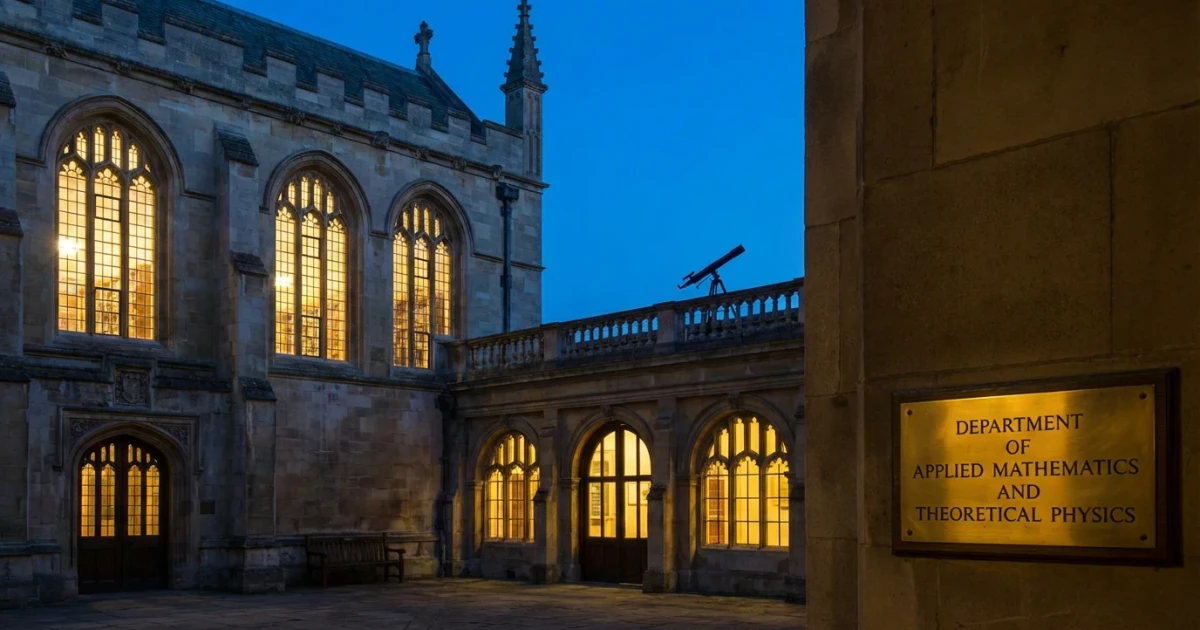
Stephen Hawking’s belief that “quiet and silent people are the ones who have the strongest and loudest minds” has resurfaced, prompting fresh discussion about the significance of introversion, intelligence, and mental activity in both science and society. As one of the most influential physicists of the modern era, Hawking’s reflections on the inner lives of quiet individuals have resonated with scientists and the general public alike.
Exploring Hawking’s Perspective
Hawking, revered for his groundbreaking work in cosmology and his bestselling books, often spoke about the hidden strengths of those who appear reserved. His statement, recently spotlighted in Diario AS, reflects longstanding scientific curiosity about the cognitive performance of introverts and the depth of internal thought processes. While the public image of intelligence often centers on outspoken innovators, Hawking’s comment redirects attention to the power of introspection and quiet contemplation.
The Science Behind Quiet Minds
Research in cognitive neuroscience offers support for Hawking’s observation. Studies such as The Cognitive Neuroscience of Mind Wandering have shown that individuals with active internal thought processes often excel in creativity and problem-solving. These findings suggest that those who are less verbally expressive may, in fact, possess a highly dynamic mental landscape.
- Data from the OECD’s Adult Skills survey shows that cognitive skills such as literacy, numeracy, and problem-solving are not always visible in outward behavior.
- According to a study on introversion and cognitive performance, introverted individuals often demonstrate enhanced attention, memory, and original thinking, especially in environments that allow for solitude and reflection.
Intelligence and Internal Thought
Large-scale data compiled by Our World in Data indicates that intelligence and creativity are complex traits, shaped by both environmental factors and personal temperament. The notion that “loud minds” can exist in “quiet people” aligns with psychological theories suggesting that internal dialogue and imagination play a crucial role in scientific innovation and artistic achievement.
Hawking himself, despite his physical limitations and understated demeanor, demonstrated that extraordinary intellect often thrives in silence. His extensive publication record and transformative theories underscore the value of deep, focused thought.
Broader Impact and Societal Perceptions
The renewed interest in Hawking’s statement comes at a time when the contributions of introverts and quiet thinkers are being reevaluated in educational and professional settings. Societal emphasis on extroversion can sometimes overlook the potential of those whose strengths are not immediately apparent. Hawking’s words encourage a broader appreciation for diverse cognitive styles and suggest that brilliance often resides where it is least expected.
For those interested in Hawking’s life and achievements, Encyclopedia Britannica provides a detailed overview of his career, while official databases like Scopus offer in-depth access to his scientific legacy.
Looking Ahead
As scientific research continues to explore the links between personality, intelligence, and creativity, Hawking’s perspective remains influential. His recognition of the “loudest minds” among quiet individuals stands as a reminder to value introspection, thoughtful observation, and the often-unseen workings of the human mind. By appreciating the full spectrum of cognitive strengths, society can better nurture talent and foster innovation in all its forms.