Science
Sterilized Soil Reveals Unexpected Longevity in Carbon Emissions
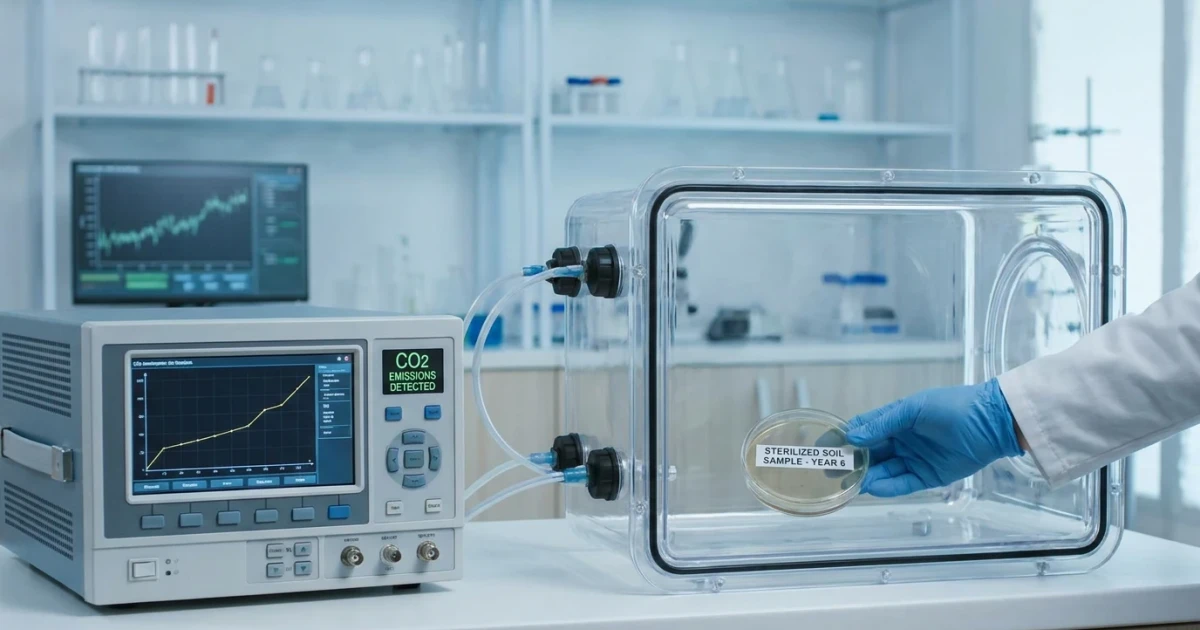
Scientists have discovered that sterilized soil—thought to be lifeless—continued to emit carbon dioxide for as long as six years, raising new questions about the resilience and complexity of soil ecosystems. The findings, first highlighted by Boing Boing, challenge long-standing assumptions about the drivers of soil respiration and its role in the global carbon cycle.
Long-Term Emissions Following Sterilization
Traditionally, soil sterilization by heat or chemicals is believed to eliminate nearly all microbial life, halting biological processes such as respiration. However, a recent Nature study demonstrated that, even after repeated sterilization treatments, soil samples continued to emit measurable levels of CO2 over a period of six years. This persistent 'breathing' was unexpected, since microbial activity was presumed to be the main source of soil carbon dioxide emissions.
- CO2 fluxes were consistently detected in sterilized soils well beyond initial treatment periods.
- Standard sterilization methods (e.g., autoclaving, gamma irradiation) failed to fully halt respiration signals.
Microbial Survivors and Chemical Processes
One line of inquiry is whether microbial life in extreme environments might explain the persistent emissions. Some microbes are known to survive high temperatures, radiation, or desiccation. However, sequencing data from the ENA Project: Soil Microbial Community Data showed that microbial communities were drastically reduced, though not always entirely eliminated. This suggests that either highly resilient microbes persisted or that other non-biological processes contributed to the emission of carbon dioxide.
Research published in Soil Biology and Biochemistry indicates that abiotic reactions—such as the breakdown of organic matter due to heat or chemical changes—could also release CO2. The persistence of emissions over multiple years, however, implies a more complex interplay of factors, possibly involving both surviving extremophiles and ongoing chemical processes.
Implications for Climate and Soil Science
The continuing respiration of sterilized soils has broader implications for how scientists model soil carbon feedbacks to climate change. If sterilized soil can emit carbon dioxide for years, it suggests that current models may be underestimating the resilience of soil carbon cycling after disturbances like fire, agricultural clearing, or contamination. Moreover, it highlights the need to reevaluate the role of so-called 'dormant' or 'cryptic' microbial populations and non-biological processes in maintaining soil ecosystem functions.
- Soil is a crucial carbon sink, containing more than twice the carbon stored in the atmosphere.
- Understanding how soil respiration persists after disturbance is vital for accurate climate projections and land management strategies.
- USDA NRCS Soil Survey Data provides baseline soil carbon and property data to support further research.
What Comes Next?
The persistence of soil respiration after sterilization underscores the remarkable resilience and complexity of the soil environment. It calls for further investigation into the mechanisms behind long-term CO2 emissions, the survival strategies of extremophile microbes, and the contribution of abiotic processes. As scientists continue to probe the hidden workings of soil, these findings will likely influence how we manage land, mitigate carbon emissions, and understand Earth's changing climate.