Entertainment
Sterling Betancourt, pioneer who brought steelpan to the UK, dies at 90
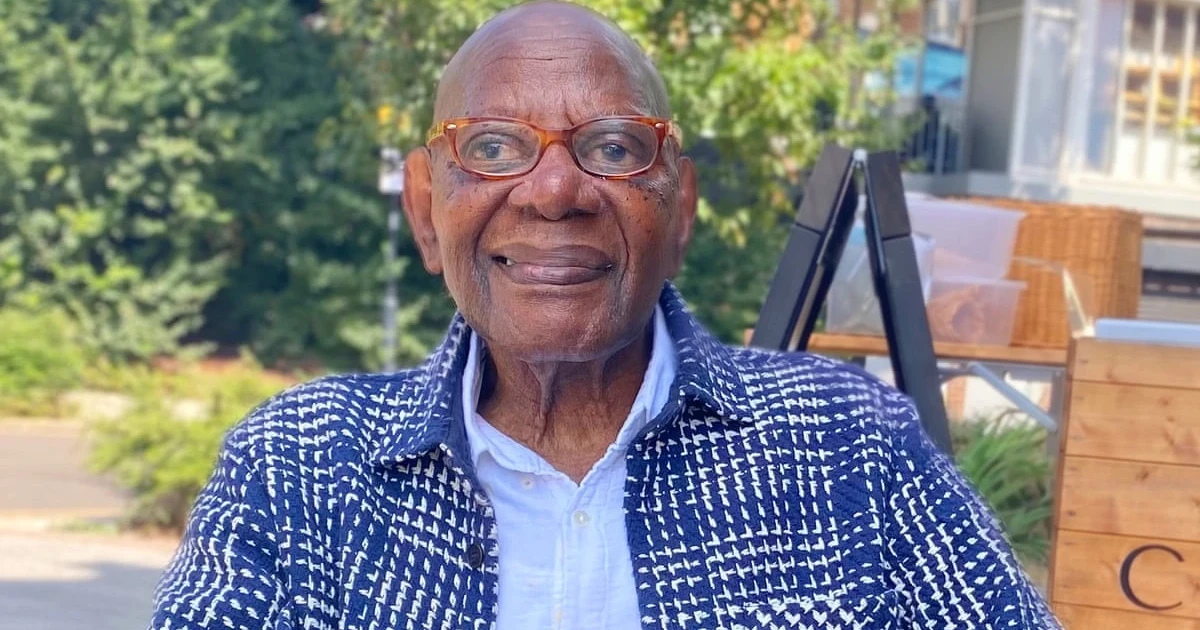
Sterling Betancourt, the Trinidadian-born steelpan pioneer who helped plant the instrument in British public life, has died at 90. His path ran from a landmark 1951 performance on the South Bank to the streets of Notting Hill, where his music became part of the city’s carnival culture despite the racism he encountered in Britain.
Betancourt was a member of the Trinidad All-Steel Percussion Orchestra, which performed outside the Royal Festival Hall on 27 July 1951 during the Festival of Britain. That appearance was the first steel band performance in the UK, according to the Southbank Centre. The festival itself was designed as a postwar boost to national morale, and around half the UK population experienced it in some form, according to the centre. TASPO’s performance was filmed and broadcast internationally.
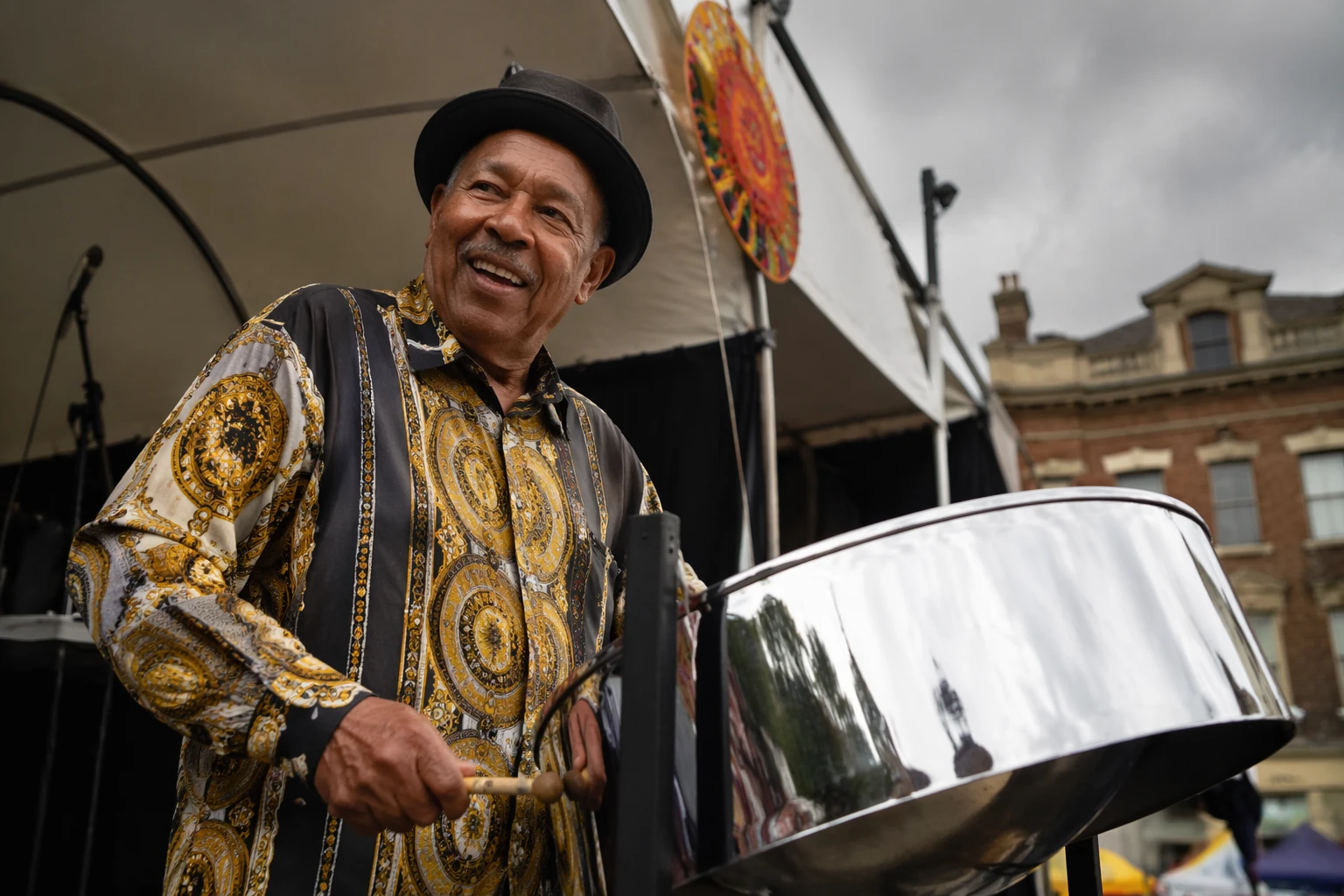
The instrument had deep roots in Trinidad and Tobago, where musicians adapted after British colonial authorities outlawed bamboo percussion from Tamboo Bamboo bands in the 1930s. From that prohibition came the experimentation with scrap metal that produced steelpan. Betancourt stayed in England after TASPO’s visit, and he was the only original member who remained when the others returned to Trinidad on 12 November 1951. He faced signs telling Black people they were not welcome.
His influence extended into the early years of Notting Hill Carnival. Rhaune Laslett invited pan player Russell Henderson in 1966, and Henderson arrived with Betancourt for what became the first outdoor festival in Notting Hill. In BBC reporting in 2003, Betancourt had never missed Carnival since performing at the first one held in Notting Hill in 1964, when the event was expected to draw more than one million people over the bank holiday weekend.
Betancourt received an award in the 2002 honours cycle for services to the Steel Band Movement, and was later identified as an OBE. In 2026, the Southbank Centre launched Steel Scenes, bringing together more than 500 musicians and more than 25 steel bands to mark 75 years since that first live performance on the South Bank.