Politics
Steve Daines to Make First Senate Visit to Hong Kong Since 2019
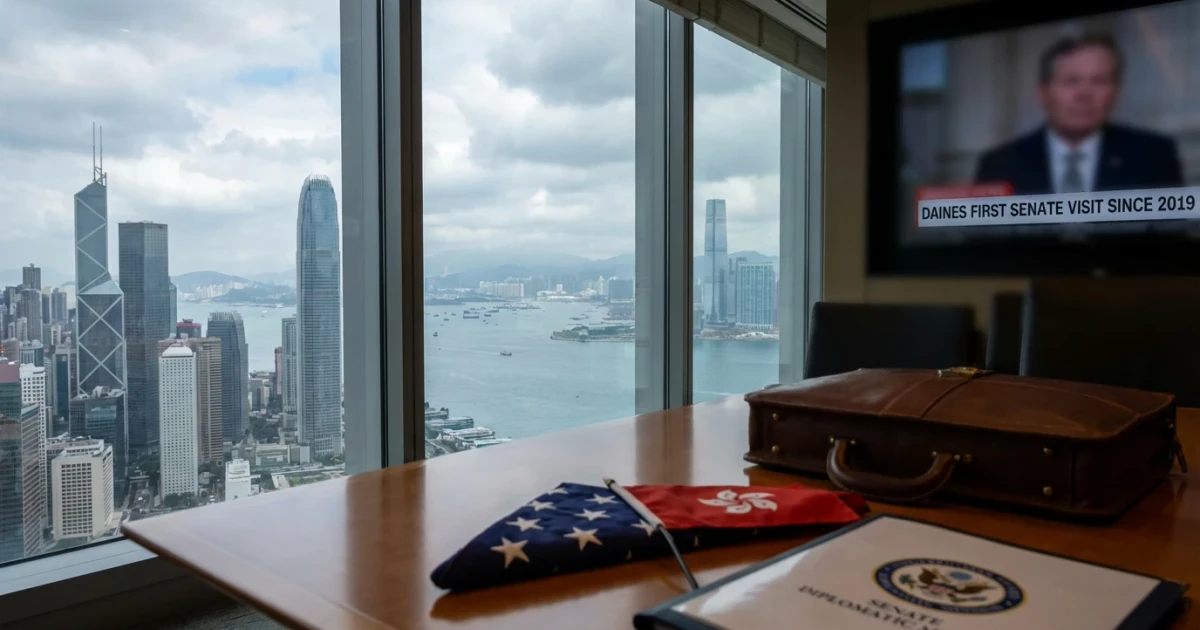
Senator Steve Daines of Montana is poised to become the first U.S. senator to visit Hong Kong since 2019, marking a significant moment in American diplomatic engagement with the city as tensions between Washington and Beijing continue to shape the region’s political landscape.
First Senate Visit in Years
The planned visit by Daines, a key Republican and ally of former President Donald Trump, comes at a time when high-level American political presence in Hong Kong has been notably absent. The South China Morning Post reports that Daines will be the first U.S. senator to set foot in the city since widespread pro-democracy protests erupted in 2019 and the subsequent imposition of a sweeping national security law by Beijing.
Context: U.S.-Hong Kong Relations Since 2019
Since the 2019 protests, relations between the United States and Hong Kong have undergone significant shifts. The U.S. government, citing concerns over autonomy and human rights, has altered the city's special trade status and imposed targeted sanctions. Annual reviews such as the 2023 Hong Kong Policy Act Report from the U.S. Department of State have tracked these changes, highlighting "the continued erosion of rights and freedoms in Hong Kong."
- Since 2019, visitor arrivals to Hong Kong have fluctuated significantly, with a steep drop during the pandemic and slower recovery amid ongoing political concerns.
- Economic and trade relations have also shifted, as detailed in the Legislative Council Research Brief, with U.S. exports to Hong Kong declining in recent years.
Significance of Daines' Visit
Senator Daines’ upcoming trip is seen as a potential signal of renewed congressional interest in the developments within Hong Kong. As a member of key Senate committees, Daines is well-positioned to report back on the current political climate and economic opportunities in the region. According to his official record, Daines has been actively involved in foreign policy discussions, particularly those concerning U.S.-China relations.
This visit may provide the U.S. with firsthand insights into how the national security law is affecting business, civil society, and American interests in Hong Kong. While the details of his itinerary have not been publicly disclosed, the trip is expected to include meetings with both government representatives and business leaders.
Broader Implications and Future Outlook
The resumption of high-level visits could signal a cautious reopening of political channels between the U.S. and Hong Kong after years of strained relations. However, analysts remain divided on whether a single visit can lead to meaningful policy shifts. The Council on Foreign Relations notes ongoing challenges, including tightening restrictions on dissent and international concerns over the rule of law in Hong Kong.
As the U.S. continues to assess its approach to Hong Kong, the outcome of Senator Daines’ visit will be closely watched by both allies and competitors. With trade, human rights, and strategic competition all at stake, this trip may lay the groundwork for future engagement—or highlight the challenges that remain.
For readers interested in a deeper dive into the evolving landscape, the 2023 Hong Kong Policy Act Report, Legislative Council Research Brief, and Council on Foreign Relations explainer provide additional context on the city’s political and economic status since 2019.