Politics
Stevens and El-Sayed clash in Michigan Senate debate over party divide
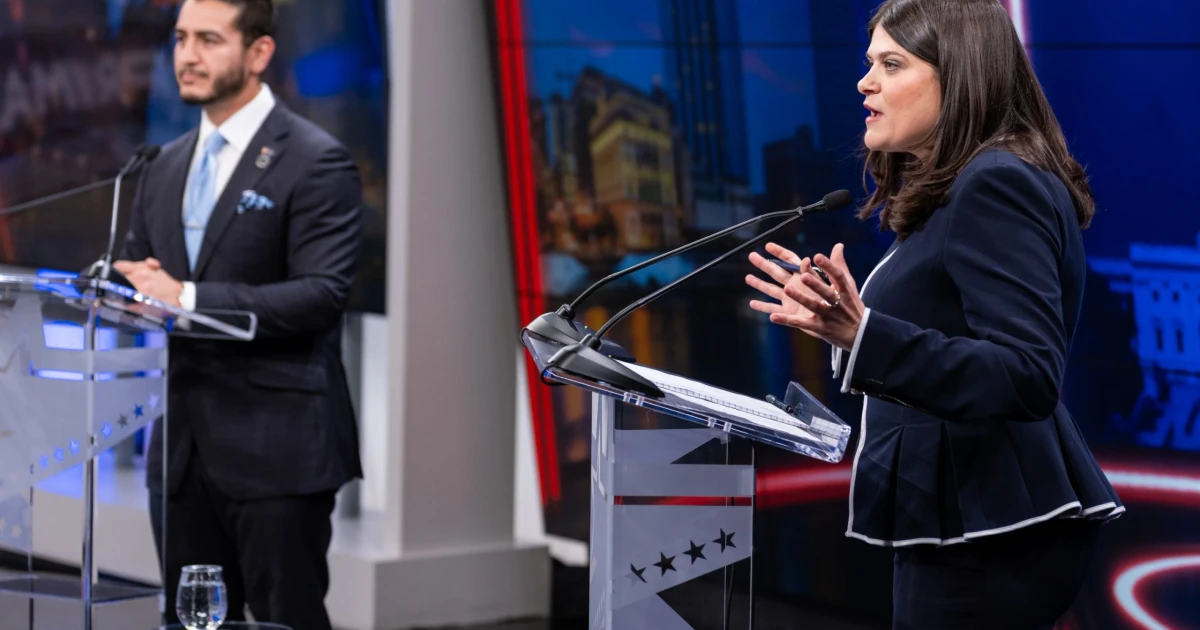
Haley Stevens and Abdul El-Sayed faced off Wednesday night in Grand Rapids for their first one-on-one debate since Mallory McMorrow suspended her campaign on July 5, narrowing Michigan’s open Senate primary to two Democrats and sharpening a fight over the party’s direction. The hourlong forum, hosted by WOOD-TV8 and carried on stations around the country, came six weeks before the Aug. 4 primary for the seat that will be decided in November.
Stevens, the Birmingham congresswoman, attacked El-Sayed as too focused on publicity. El-Sayed, the former Michigan health official, answered by casting Stevens as a tool of corporate interests. Their clash ran far beyond style and into the core issues dividing the party: inflation, foreign policy, immigration, campaign finance, support for Israel, artificial intelligence, free trade pacts and affordability.
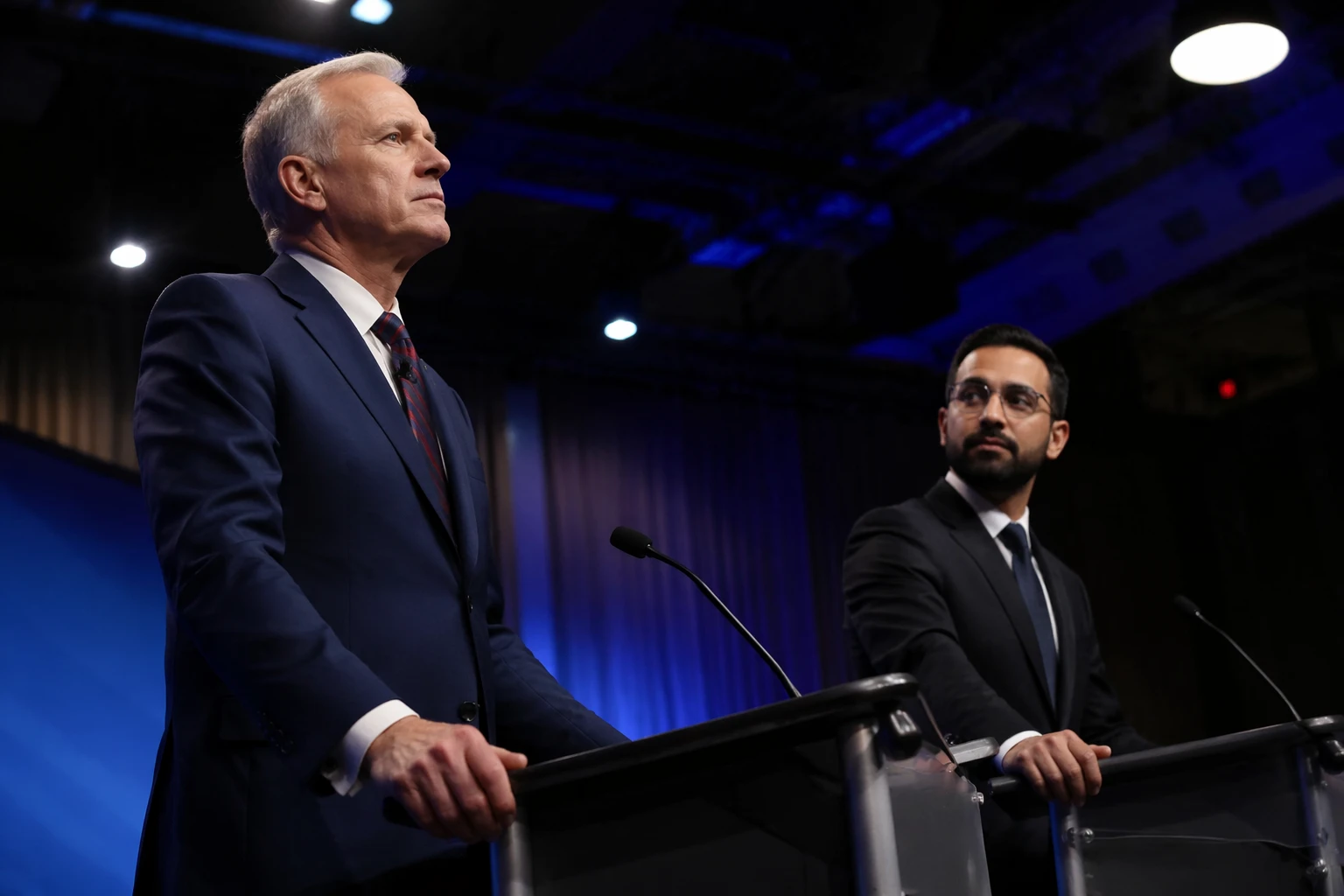
The debate underscored how the race has become a proxy battle between the Democratic Party’s centrist and progressive wings. Stevens has leaned on her profile as a congresswoman with ties to manufacturing and labor, while El-Sayed has presented himself as a challenge to politics as usual. The split has also been reflected in the funding landscape, where outside spending has played a major role and independent expenditures supporting Stevens have added fuel to the intraparty fight.
That money dynamic has intensified the candidates’ arguments over who can be trusted to lead Democrats in a battleground state. Pro-Israel support for Stevens has made the debate over Israel especially combustible, while El-Sayed’s campaign has used the issue to reinforce its criticism of establishment politics and donor influence. Stevens, in turn, has tied her message to labor, industrial policy and a more conventional Democratic path to victory in a state that could decide control of the Senate.
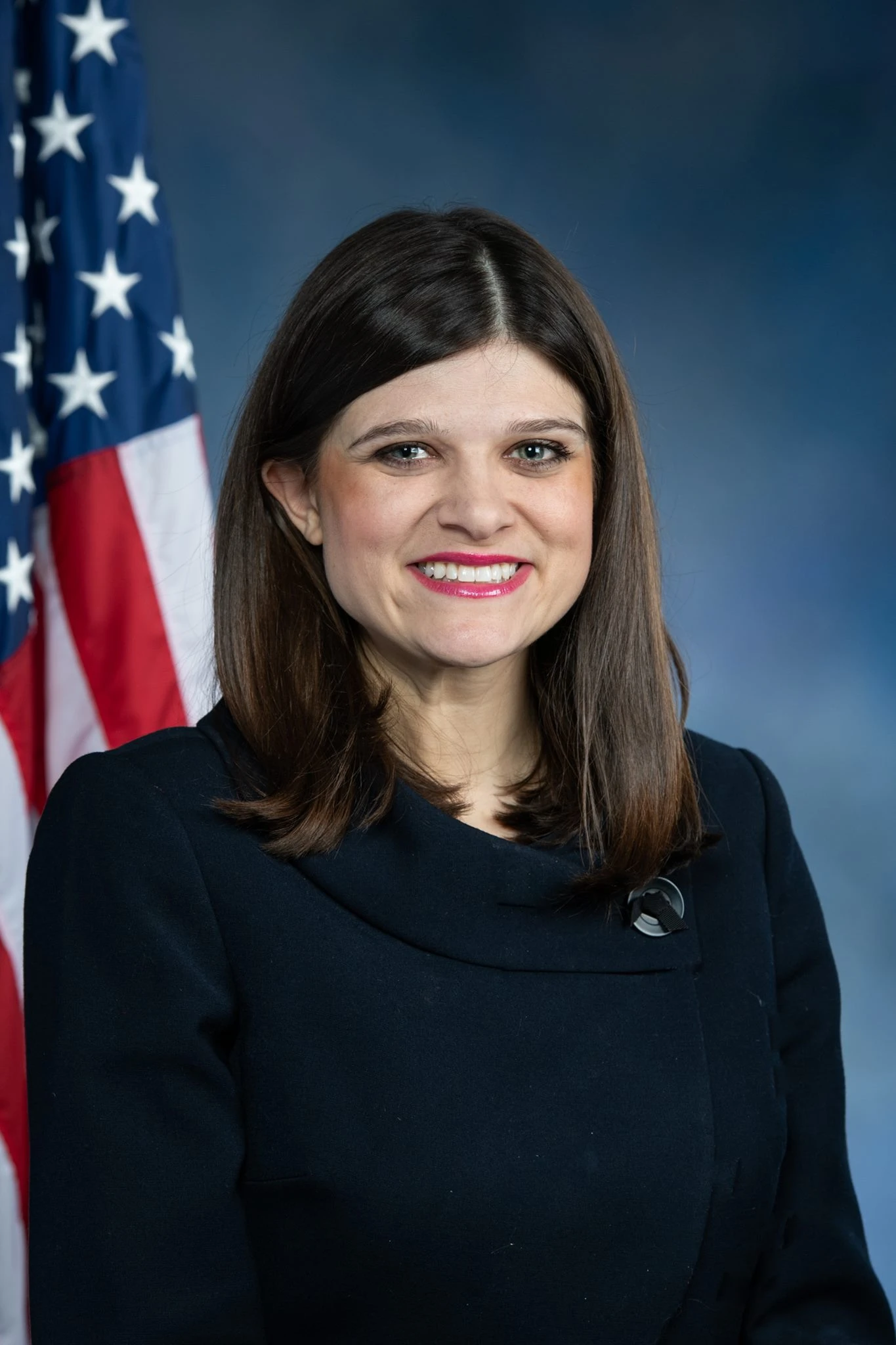
Michigan’s open seat has been one of the most closely watched races in the 2026 cycle since Sen. Gary Peters announced on Jan. 28, 2025 that he would not seek reelection. The winner of the Democratic primary will face Republican Mike Rogers in the general election on Nov. 3, a contest that now hinges on whether Michigan Democrats choose Stevens’ establishment pragmatism or El-Sayed’s movement-progressive pitch.
Sources
- [1]nytimes.com
- [2]detroitnews.com
- [3]michiganadvance.com
- [4]cbsnews.com
- [5]ballotpedia.org
- [6]michiganpublic.org
- [7]wlns.com
- [8]themidwesterner.news