Politics
Steyer’s $558 million self-funding binge stirs backlash over money in politics
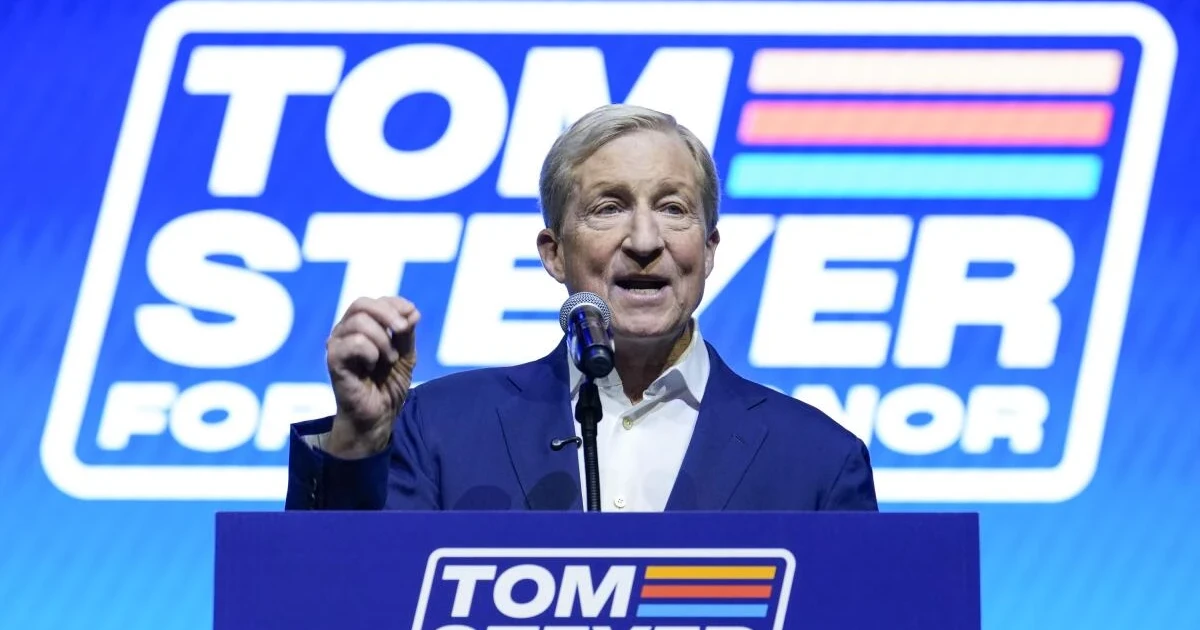
Tom Steyer’s political bankroll has become a case study in how far personal fortune can go, and how far it cannot. Federal Election Commission data put his spending on his failed 2020 presidential run at about $342 million, and his later California governor bid at about $216 million, for a combined $558 million across two high-stakes campaigns.
That money did not buy the payoff Steyer sought. He dropped out of the 2020 Democratic presidential race in February 2020 with no pledged delegates, even after blanketing the contest with his own cash. Five years later, his California effort had become the most expensive political advertising push in the country in 2026, with more than $195 million spent or booked in broadcast TV, cable and radio ads by late May, more than 20 times the amount spent by his nearest rival, Xavier Becerra.
The scale put Steyer in the same rarefied class as other billionaire candidates, but not in the winner’s circle. Michael Bloomberg spent about $1 billion on his unsuccessful 2020 presidential bid, while Meg Whitman’s 2010 California governor campaign set the previous statewide self-funding benchmark at about $144 million, or roughly $220 million when adjusted for inflation. Even with those comparisons, Steyer’s total stands out for its sheer volume and for the narrow returns it produced.
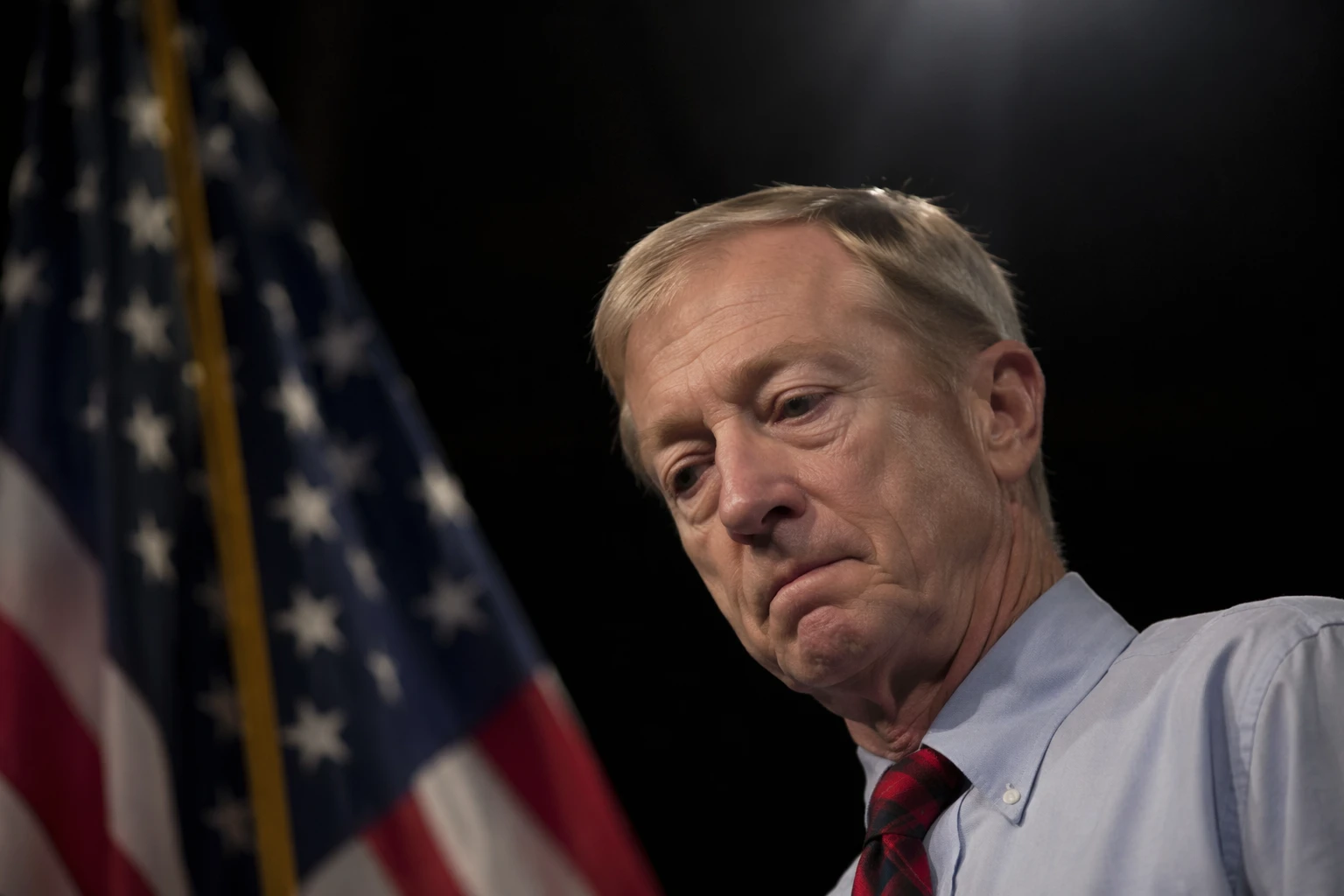
That mismatch has fueled the backlash. Supporters have long cast Steyer as a progressive donor focused on climate change and Democratic priorities, but critics in California argued that he was trying to purchase the governor’s office with personal wealth. By early June 2026, he was still not clearly leading in the race despite the ad barrage, reinforcing the familiar warning that saturation spending can buy attention, but not necessarily trust or momentum.
Robin Kolodny, a political scientist at Temple University, said wealthy self-funders were nothing new, pointing to Steve Forbes and Ross Perot as earlier examples. But she also underscored the limits of writing your own checks: donor networks still matter because they signal broader political buy-in, not just private ambition.
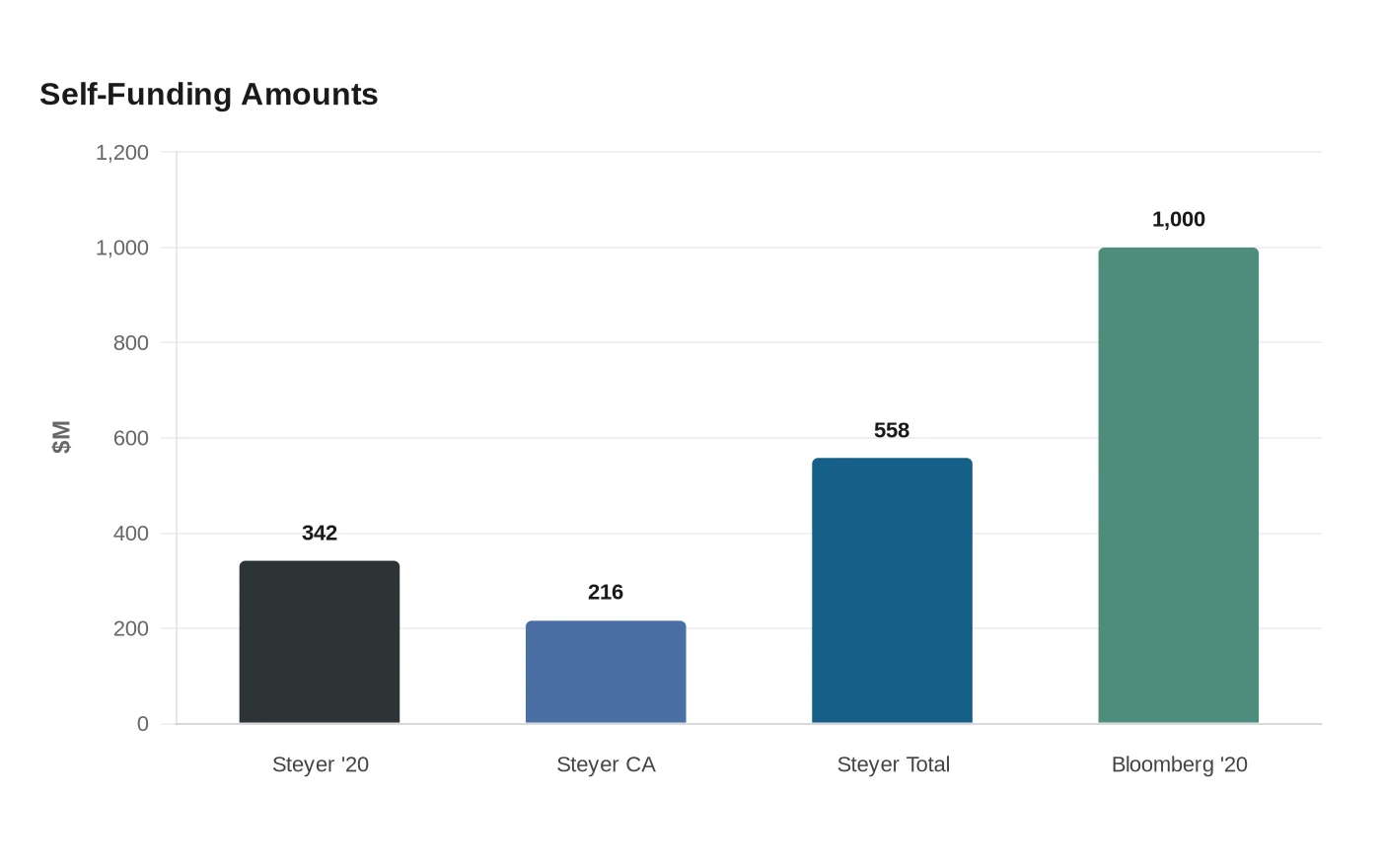
Steyer’s role in politics has never been limited to his own campaigns. He began a major impeachment-themed ad campaign against Donald Trump in October 2017 and later became one of the Democratic Party’s best-known mega-donors through climate and ballot-measure spending. His $558 million outlay now leaves a sharper lesson for both parties: enormous wealth can flood the airwaves, but it cannot guarantee electoral power.
Sources
- [1]nytimes.com
- [2]morningstar.com
- [3]pbs.org
- [4]calmatters.org
- [5]politico.com
- [6]semafor.com