Business
Stock Futures Fall Amid Uncertainty Over Iran Negotiations
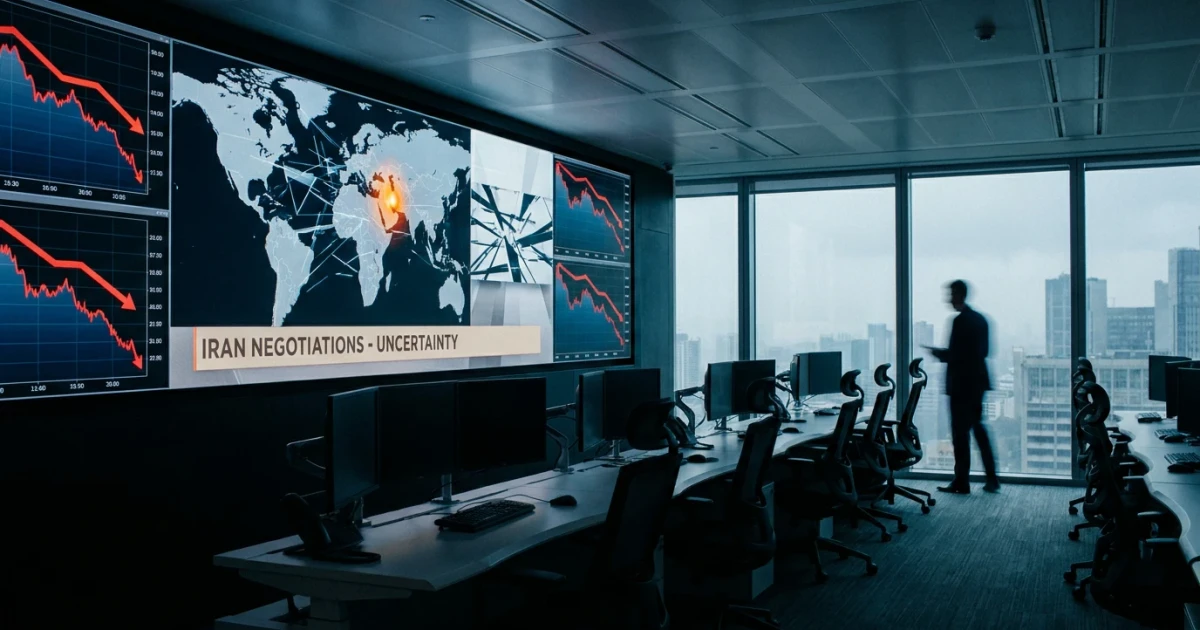
U.S. stock futures edged lower on Monday morning as investors closely tracked the latest developments in Iran war negotiations and their potential impact on global markets. The cautious tone reflected continued unease over geopolitical risks and their influence on financial markets worldwide.
Major Indices Open Lower
The Dow Jones Industrial Average, S&P 500, and Nasdaq Composite all opened in negative territory following overnight declines in stock index futures. CNBC reported that investors are reacting to headlines around U.S. negotiations with Iran, as well as concerns about the stability of the region and possible ramifications for energy markets and multinational companies.
- Stock futures signaled a lower open for the day, with the S&P 500 and Nasdaq futures each posting small declines ahead of the opening bell.
- Geopolitical concerns remained front and center after a weekend of diplomatic efforts and heightened rhetoric between the U.S. and Iran.
- Investors are also watching for any policy responses that could affect broader market valuations.
Market Sensitivity to Geopolitical Headlines
CNBC noted that the latest round of war negotiations involving Iran has injected renewed uncertainty into global risk assets. Financial analysts highlighted that the market’s sensitivity to Middle East tensions has increased, especially after recent volatility in energy prices and concerns over potential supply disruptions.
- Heightened geopolitical risk often leads to increased market volatility, as traders adjust positions based on potential outcomes from diplomatic negotiations or escalation scenarios.
- Investors are seeking safe-haven assets and may adjust portfolios in response to any significant developments in the Middle East.
Broader Market Drivers
In addition to the geopolitical backdrop, CNBC pointed out that traders are also digesting the latest corporate headlines, with particular attention on technology sector heavyweights such as Intel, Nvidia, and Micron. These companies are seen as bellwethers for broader economic trends, and their performance can influence market sentiment.
- Macroeconomic data and company earnings remain important factors, but for now, the primary focus is on the diplomatic developments with Iran.
- Uncertainty over the outcome of negotiations is causing some investors to adopt a wait-and-see approach.
Looking Ahead
As negotiations continue, investors are likely to maintain a cautious stance, closely monitoring news from diplomatic channels and military sources. Any breakthroughs or setbacks could trigger sharp moves in futures markets and global equities. Market participants are also watching official statements and data releases for further guidance on the potential economic ramifications of the evolving situation in Iran.
Given the complexity of the geopolitical landscape, analysts recommend that investors stay informed and be prepared for continued volatility as talks progress. For those seeking deeper context, the UN Security Council provides up-to-date official records on sanctions and negotiations related to Iran.