Business
Stock Futures Slide Amid Escalating Iran Tensions
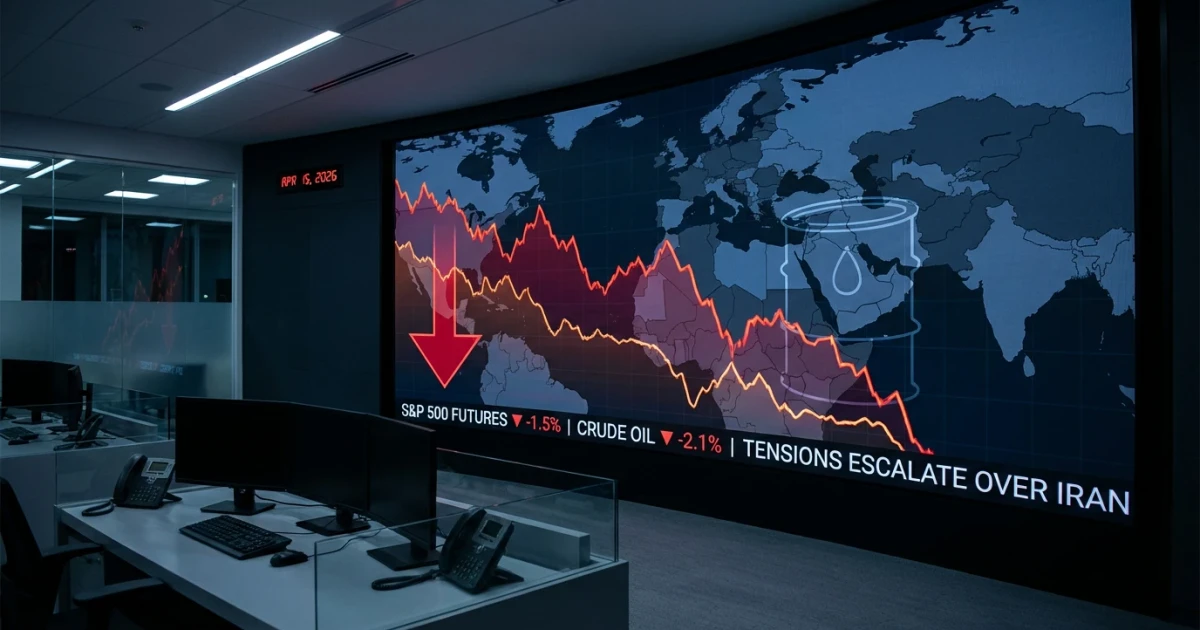
Stock futures fell sharply on Monday as escalating tensions between Iran and Western nations rattled global markets, fueling concerns over potential disruptions to oil supplies and increased market volatility. The declines reflect growing investor unease as geopolitical risks in the Middle East intensify, with the Strait of Hormuz—a critical chokepoint for global oil shipments—once again in focus.
Market Reaction and Investor Concerns
Major U.S. stock index futures opened the week under pressure, with CNBC reporting notable declines across the board. The S&P 500, Dow Jones Industrial Average, and Nasdaq Composite futures all retreated as the market digested the prospect of a prolonged standoff in the region. The sell-off was also reflected in S&P 500 futures trading data, which indicated rising volatility and increased hedging activity among institutional investors.
- Energy stocks saw mixed trading, with some oil majors rising on supply concerns while broader indices fell.
- Safe-haven assets like gold and U.S. Treasuries gained modestly as risk appetite waned.
Oil Markets and Supply Risks
The escalation of hostilities in the Gulf region has renewed fears of disruption to the world’s oil supply chain. The Brent crude oil spot price rose in early trading, reflecting worries that military activity could impede tanker traffic through the Strait of Hormuz, which handles roughly one-fifth of global oil shipments.
- Oil market analysts cited in CNBC and WSJ noted that “shortfalls will soon start to appear” if tensions persist, potentially tightening supply and driving prices higher.
- Industry data from the OPEC Monthly Oil Market Report highlights the region’s outsized role in global crude exports, with Iran's output and exports now closely watched indicators of risk.
Broader Economic and Political Implications
Market strategists warn that the ongoing uncertainty could spill over into other asset classes, amplifying volatility and possibly weighing on economic growth if energy costs spike. The Wall Street Journal observed that “markets’ Hormuz hopes wear thin,” as earlier confidence that the crisis would be contained is now giving way to concern about more widespread economic impacts.
Political developments, including statements from U.S. leaders and renewed focus on sanctions against Iran, have further complicated the outlook. Axios and CNBC noted the potential for policy responses from the White House and Congress, as well as the possibility of new sanctions impacting Iranian oil exports.
Looking Ahead
As the situation develops, investors are closely monitoring headlines from the Middle East, as well as official statements from OPEC and Western governments. The potential for further market swings remains high, especially if military actions escalate or if oil flows through the region are significantly curtailed. For now, the prospect of prolonged uncertainty has left markets on edge and underscored the continued importance of the Middle East in shaping global economic stability.