Business
Stock futures slip as U.S.-Iran strikes raise oil fears
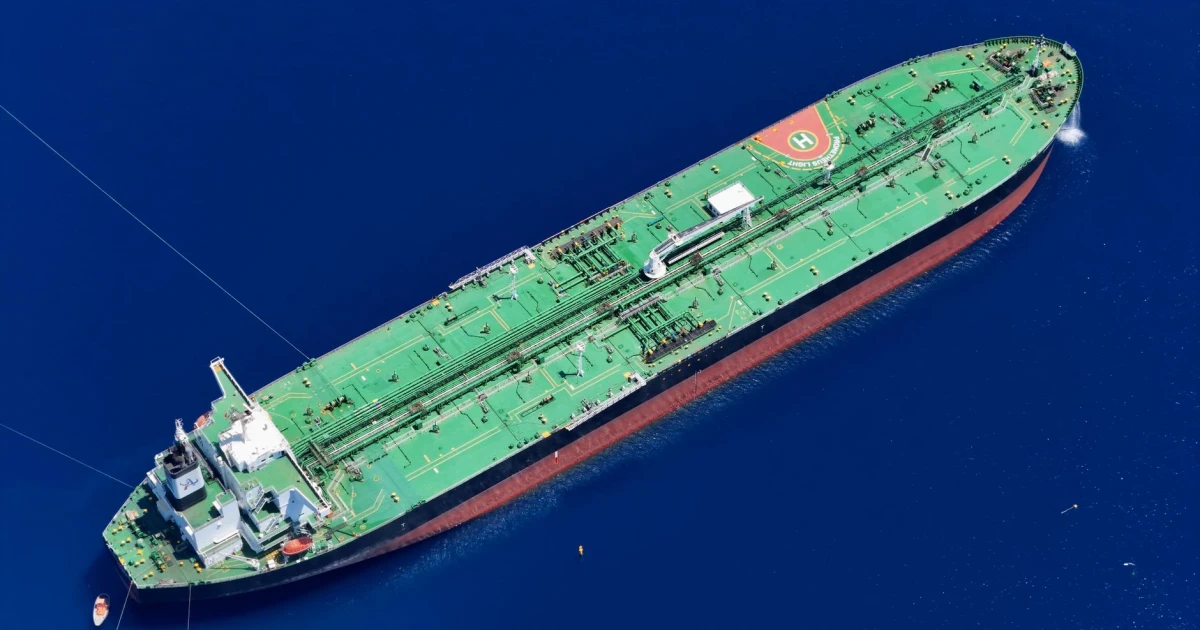
Oil climbed and U.S. stock futures slipped as fresh U.S.-Iran strikes near the Strait of Hormuz pushed traders back into a market already focused on a heavy week of corporate earnings. The first hit to households is likely to come through higher fuel costs and a weaker tone in retirement accounts tied to broad equity indexes; the deeper threat is whether the fighting keeps a critical oil route under pressure.
The latest exchange followed attacks on commercial shipping in the waterway. The U.S. military said it hit about 140 targets in Iran after Tehran attacked a container ship in the strait, and Iranian forces said they responded with strikes on U.S. targets in the region. Brent and U.S. crude futures had already jumped 3% after an Iranian attack on a tanker near the same chokepoint, a sign that energy traders remain highly sensitive to any threat to tankers moving through the Persian Gulf and Gulf of Oman.
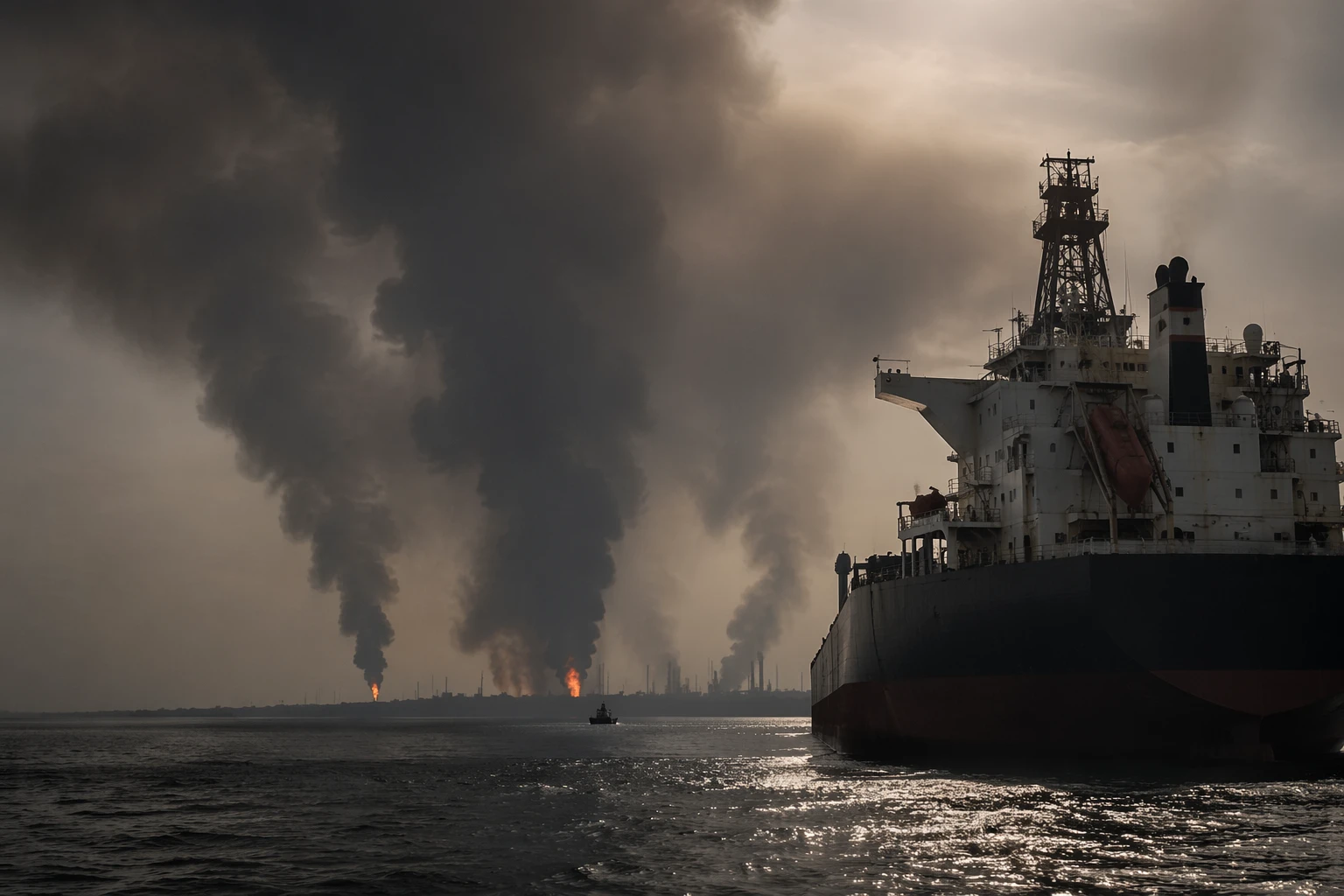
The Strait of Hormuz carried an average of 20 million barrels a day of crude oil and oil products in 2025, or about a quarter of the world’s seaborne oil trade. The U.S. Energy Information Administration said shipping traffic through the strait increased after a June 18 memorandum of understanding between the U.S. and Iran to reopen the route, but it also said production shut-ins averaged 8.3 million barrels a day in June and that reduced inventories would take time to rebuild. The conflict has also been linked to delays in commercial shipping and liquefied natural gas operations.
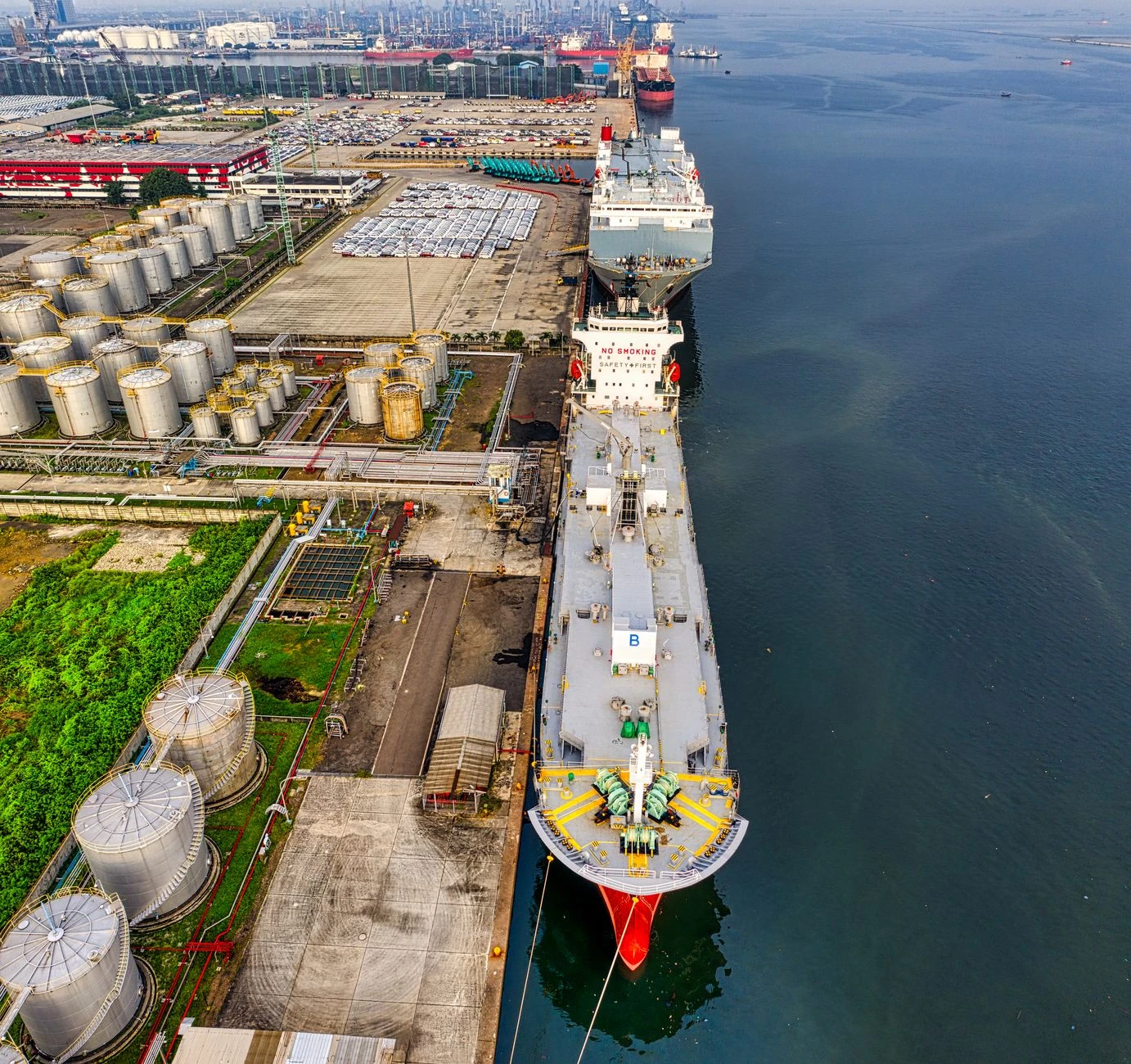
At its narrowest point, the strait is only about 29 nautical miles wide, with two-mile-wide shipping channels and buffer zones, leaving few easy alternatives if traffic is disrupted. The International Energy Agency has called Hormuz one of the world’s most critical oil transit chokepoints, and that geography explains why even short-lived flare-ups can move oil, shipping shares and investor sentiment faster than they alter the underlying economy. For now, markets are treating the latest strikes as an immediate fear reaction, while the longer test is whether the strain starts to reshape inflation, rates and energy supply.
Sources
- [1]news.google.com
- [2]cnbc.com
- [3]eia.gov
- [4]iea.org
- [5]nytimes.com
- [6]apnews.com
- [7]worldoil.com