Business
Stock markets surge as US, Iran agree to end war, reopen Hormuz
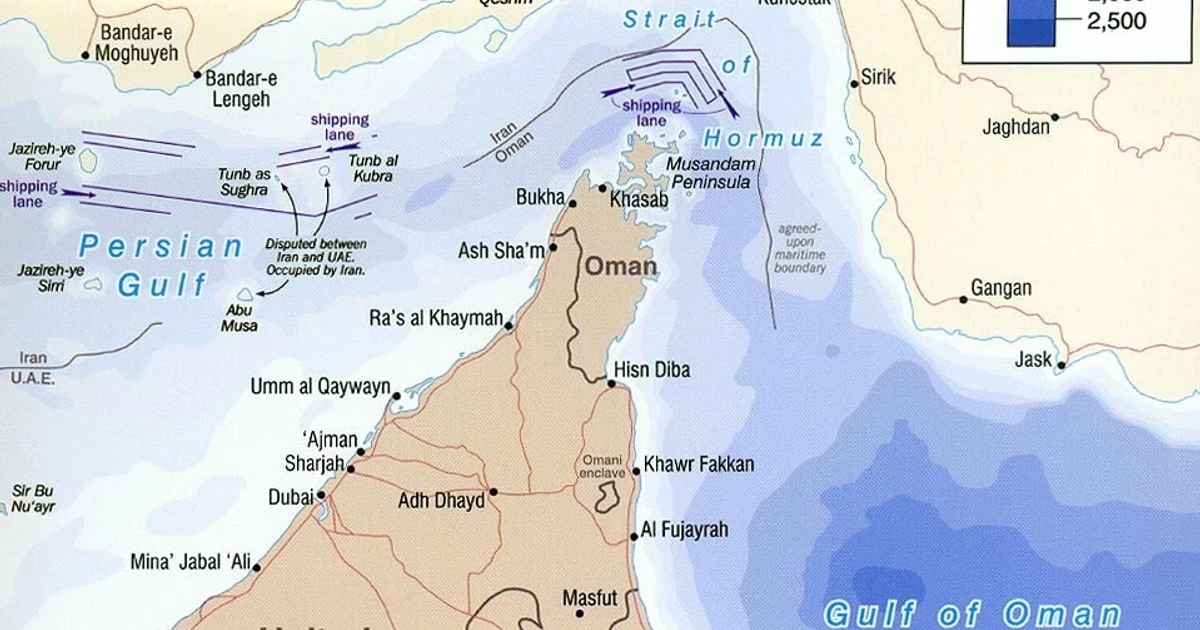
Investors delivered an immediate verdict on de-escalation: oil prices fell sharply and equities surged after the United States and Iran announced a framework agreement to end nearly four months of conflict and reopen the Strait of Hormuz. Japan’s Nikkei 225 climbed 5% and South Korea’s Kospi rose 5.5%, while U.S. stock futures advanced and Brent crude dropped to $83.81 a barrel and West Texas Intermediate to $80.89.
The market response reflected just how much fear had been priced into the Gulf crisis. The Strait of Hormuz is one of the world’s most important energy chokepoints, carrying roughly one-fifth of global oil supplies, about 20 million barrels a day, along with major volumes of liquefied natural gas and raw materials. During the conflict, United Nations reporting said traffic through the waterway fell to just two to 16 vessels a day, down from more than 100 in normal times.
That collapse in traffic had already fed through to the real economy. Higher fuel costs, longer shipping routes and rising insurance premiums were straining economies across Asia, with inflation accelerating in places such as Laos and Pakistan. The United Nations warned that global growth was projected to slow to 2.5% in 2026 and said East Asia’s growth outlook had weakened as the disruption dragged on.
For now, European and Asian capitals greeted the agreement as a major break in the standoff. The U.K., France, Germany and Italy said they were prepared to lift relevant sanctions if Iran takes clear, verifiable steps on its nuclear program, and they called for unconditional freedom of navigation through Hormuz. U.K. Prime Minister Keir Starmer called the deal a "hugely important step forward," while Japan’s Prime Minister Sanae Takaichi welcomed it as a major step toward resolution.
Still, the rally looked as much like a relief trade as a verdict on durable peace. Senator Lindsey Graham said he was pleased but "somewhat concerned" about the differing U.S. and Iranian descriptions of the accord, and he noted that any nuclear deal could face congressional review. Stephen Innes of SPI Asset Management said markets would now "trade verification," not just headlines, with investors watching the signing process, mine clearance in Hormuz and any reaction from Israel and Hezbollah-linked forces in Lebanon.
Earlier in the week, a senior Trump administration official had put the odds of a deal at 80%, helping push oil lower even before the confirmation. The latest move may have eased the immediate threat to shipping and energy supplies, but the longer economic damage from the Gulf crisis, and the harder diplomacy ahead, are far from over.
Sources
- [1]news.google.com
- [2]aljazeera.com
- [3]cnbc.com
- [4]nytimes.com
- [5]news.un.org
- [6]rferl.org