Business
Stocks Dip as Oil Prices Rise Amid Gulf Tensions
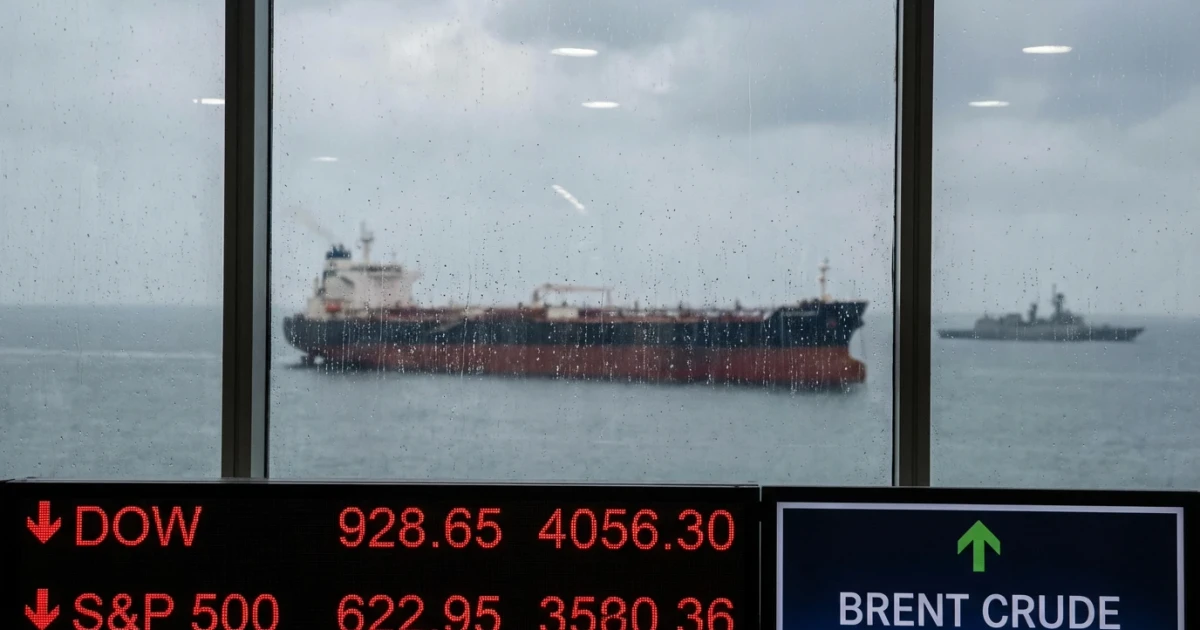
U.S. stocks closed lower on Monday as ongoing tensions in the Gulf region pushed oil prices higher, weighing on investor sentiment and ending the S&P 500 and Nasdaq’s climb from recent record levels. The Dow Jones Industrial Average, S&P 500, and Nasdaq Composite each saw declines, reversing some of their recent gains as market attention shifted to geopolitical risks and their impact on commodities and equities.
Markets Retreat from Record Highs
All three major U.S. indexes closed in the red. The Nasdaq Composite and the S&P 500 both retreated from their record highs set last week, while the Dow Jones Industrial Average also slipped. According to the Wall Street Journal, the weakness was broad-based, with technology stocks, financials, and consumer discretionary names among those leading the retreat.
- Dow Jones Industrial Average: Lower on the day
- S&P 500 and Nasdaq: Both pulled back from recent record closes
Market strategists cited profit-taking after a strong run, as well as renewed concern over the potential for escalation in the Middle East, as key factors behind the day’s declines.
Gulf Tensions Push Oil Prices Higher
The main catalyst for Monday’s market moves was a renewed spike in oil prices, spurred by continuing tensions in the Gulf region. Crude oil prices climbed as traders assessed the risk of supply disruptions stemming from the region’s instability. The Wall Street Journal noted that energy stocks and oil futures both rose as a result.
- Crude oil futures: Advanced for the session
- Energy sector: Outperformed most other S&P 500 sectors
Investors closely watched developments in the Gulf, as any escalation could further tighten global oil supply and drive up prices. This, in turn, would likely ripple through the broader economy, affecting everything from transportation costs to inflation expectations. For those seeking real-time market data, the CME Group provides up-to-date prices and trading activity for oil futures, while the Baker Hughes Rig Count offers insights into U.S. and global drilling activity, a key indicator for future supply.
Broader Economic Impact and Investor Sentiment
Geopolitical tensions often inject volatility into global markets, and the situation in the Gulf is no exception. Rising oil prices can fuel inflationary pressures, complicating the outlook for central banks and policymakers. According to analyses from economic research groups, such events can also prompt a shift in investor appetite toward safe-haven assets and away from riskier stocks.
The Wall Street Journal highlighted that Monday’s declines followed a period of strong performance for U.S. equities. While some analysts view the pullback as a healthy pause, others warn that prolonged uncertainty in the Gulf could lead to greater market turbulence in the weeks ahead.
Looking Ahead
As investors digest the latest developments, attention will remain focused on the Gulf region and any signs of further escalation. Market participants will also be watching for upcoming earnings reports and economic data that could clarify the trajectory for stocks and commodities.
In the short term, volatility may remain elevated as traders react to headlines from the Middle East and assess the potential for further disruptions to oil supply. For detailed historical and real-time data on key market indicators, readers can explore:
- Nasdaq Composite Index
- Dow Jones Industrial Average
- EIA: Crude Oil Prices
- CME Group: Oil Futures Data
- Baker Hughes Rig Count Data
Market watchers suggest keeping a close eye on these indicators as global events continue to shape the investment landscape.