Business
Stocks Edge Lower as Oil Tops $100 per Barrel
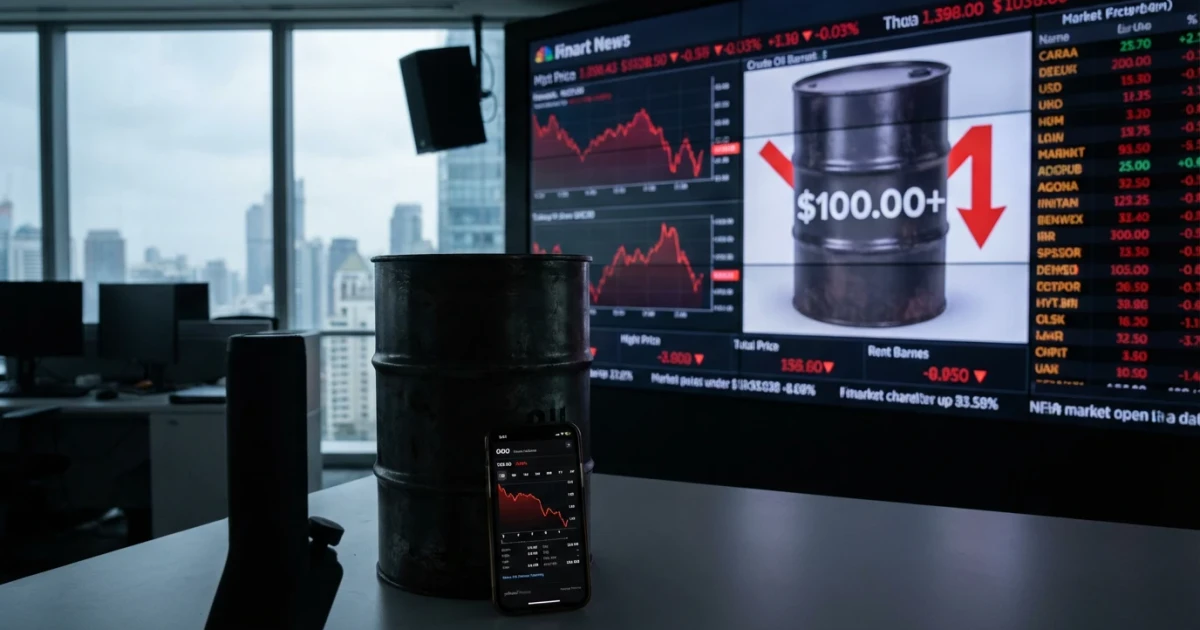
U.S. stock futures declined modestly on Friday evening as investors weighed the impact of rising crude oil prices—which crossed the $100 per barrel mark—against persistent concerns about the market’s recent losing streak. The S&P 500 is now on track for its third consecutive week of losses, reflecting lingering uncertainty across markets.
Stock Futures Waver in After-Hours Trading
According to CNBC, futures tied to major U.S. indices, including the Dow Jones Industrial Average, S&P 500, and Nasdaq Composite, all showed slight declines in overnight trading. This tentative movement followed a choppy week in which the S&P 500 struggled to find direction, closing lower for the third week in a row. Investors continue to monitor macroeconomic headwinds, including persistent inflation, shifting monetary policy, and volatility in the energy sector.
- The Dow, S&P 500, and Nasdaq futures all posted marginal losses in after-hours trading.
- The S&P 500 index closed lower for the third straight week, a pattern not seen since earlier in the year.
Oil Prices Surge Past $100
Energy markets took center stage after U.S. crude oil futures surged above $100 per barrel for the first time in months. This sharp increase in oil prices adds pressure on both consumers and businesses, potentially complicating the Federal Reserve’s efforts to rein in inflation. The Federal Reserve Economic Data shows that oil prices have been trending upward since the start of the year, with geopolitical tensions and supply constraints cited as contributing factors.
- U.S. crude oil futures topped $100 per barrel, intensifying inflationary concerns.
- U.S. Energy Information Administration data confirms this is the highest level since the previous year’s supply shocks.
- Rising oil prices often lead to higher costs for transportation, manufacturing, and consumer goods.
Market Drivers: Inflation, Energy, and Investor Sentiment
The combination of sustained inflation, driven in part by higher energy costs, and continued uncertainty about the Federal Reserve’s next moves has weighed on investor sentiment. According to several market analysts, the ripple effects of oil prices topping $100 could be felt throughout the broader economy, especially if elevated prices persist.
Recent analysis of S&P 500 returns highlights how consecutive losing streaks often coincide with periods of economic stress or market adjustment, particularly when commodity prices spike.
Key Factors Impacting Markets:
- Inflation: With oil prices rising, the cost of goods and services could increase further, potentially forcing the Fed to keep interest rates elevated.
- Monetary Policy: Investors are watching for any signals from the Federal Reserve regarding possible rate hikes or policy adjustments in response to inflationary pressures.
- Corporate Earnings: Rising input costs may weigh on profit margins, especially for industries sensitive to energy prices.
What Investors Are Watching Next
The path of energy prices remains a crucial variable for markets. Investors are monitoring upcoming economic data releases and central bank commentary for clues about the future direction of rates and inflation. In the meantime, volatility is expected to persist as market participants digest the implications of both higher oil prices and ongoing stock market weakness.
For those interested in tracking the latest numbers, interactive charts and real-time data for crude oil futures and historical S&P 500 values are available online. These resources provide valuable context for understanding day-to-day market moves and long-term trends.
Outlook: Cautious Sentiment as Volatility Persists
With the S&P 500 on a three-week losing streak and oil above $100, the outlook remains uncertain. Investors are bracing for continued fluctuations as markets adjust to shifting economic realities. The coming weeks will be critical in determining whether the current trends deepen or if a reversal is in sight, especially as the Federal Reserve and energy markets remain in the spotlight.