Business
Stocks Fall as Oil Prices Climb Amid U.S.-Iran Tensions
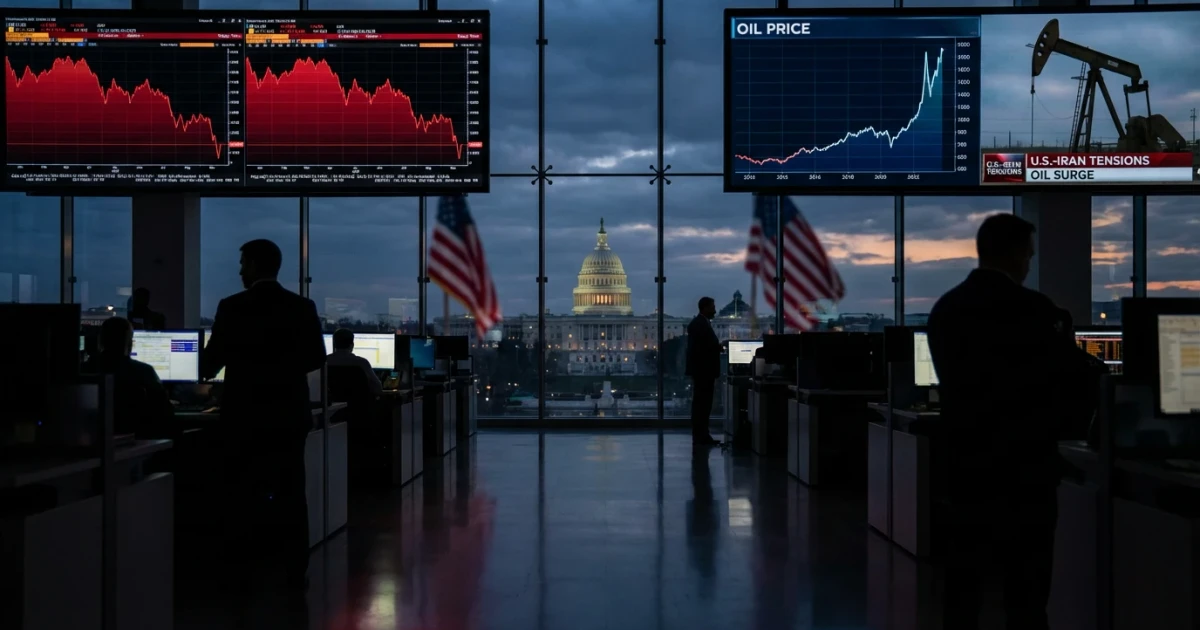
Global stock markets fell sharply while oil prices surged on Tuesday as President Donald Trump’s looming deadline for a decision on Iran heightened geopolitical uncertainty. Market watchers pointed to increasing anxiety among investors as the White House signaled a possible escalation in U.S.-Iran tensions, fueling volatility in both equities and energy markets.
Stock Markets React to Geopolitical Uncertainty
Major indices, including the Dow Jones Industrial Average and the S&P 500, posted declines as trading opened, according to real-time updates from CNBC and The Wall Street Journal. The prospect of fresh U.S. action on Iran contributed to a risk-off mood, with investors seeking shelter from potential global disruptions.
- The Dow dipped as investors digested rising geopolitical risks.
- Other major indices tracked similar declines, reflecting broader market caution.
Market volumes, as tracked by the Cboe U.S. Equities Market Volume Summary, highlighted increased trading activity, a common sign of investor repositioning during periods of uncertainty.
Oil Prices Surge on Iran Deadline Fears
Energy markets responded swiftly to the escalating rhetoric, with oil prices jumping as concerns grew over potential disruptions to Middle Eastern supply. The increase was especially notable for both Brent crude and WTI futures, which are often sensitive to geopolitical developments in the region.
- Oil prices rose sharply, reflecting fears of supply shortages.
- Traders closely monitored the Weekly Petroleum Status Report for signs of tightening inventories.
Analysts noted that energy prices are particularly vulnerable to tensions involving Iran, a key OPEC member and significant oil exporter. Any threat to production or exports tends to ripple through markets, affecting everything from transportation costs to broader inflation expectations.
Investor Sentiment and Broader Implications
Uncertainty surrounding the outcome of the U.S. deadline on Iran has led to heightened volatility, as reflected in both major world indices and commodity markets. The increase in trading volumes and shifts in asset allocation suggest that investors are bracing for a range of possible scenarios, from renewed sanctions to more direct confrontations.
Market experts, as cited in CNBC updates, warned that further escalation could lead to additional volatility, with potential implications for global growth and financial stability. In the short term, all eyes remain on official announcements from Washington and Tehran, as well as the corresponding moves in international markets.
What to Watch Next
As the deadline imposed by the Trump administration approaches, investors are likely to continue monitoring live updates for any policy shifts or developments out of the Middle East. Key indicators to follow include:
- Further moves in Brent and WTI oil prices
- Real-time equity market performance and volatility levels
- Official statements from the U.S. government and Iranian authorities
With uncertainty lingering, many analysts recommend a cautious approach until the geopolitical picture becomes clearer.