Business
Stocks fall as U.S.-Iran tensions flare and chipmakers slide
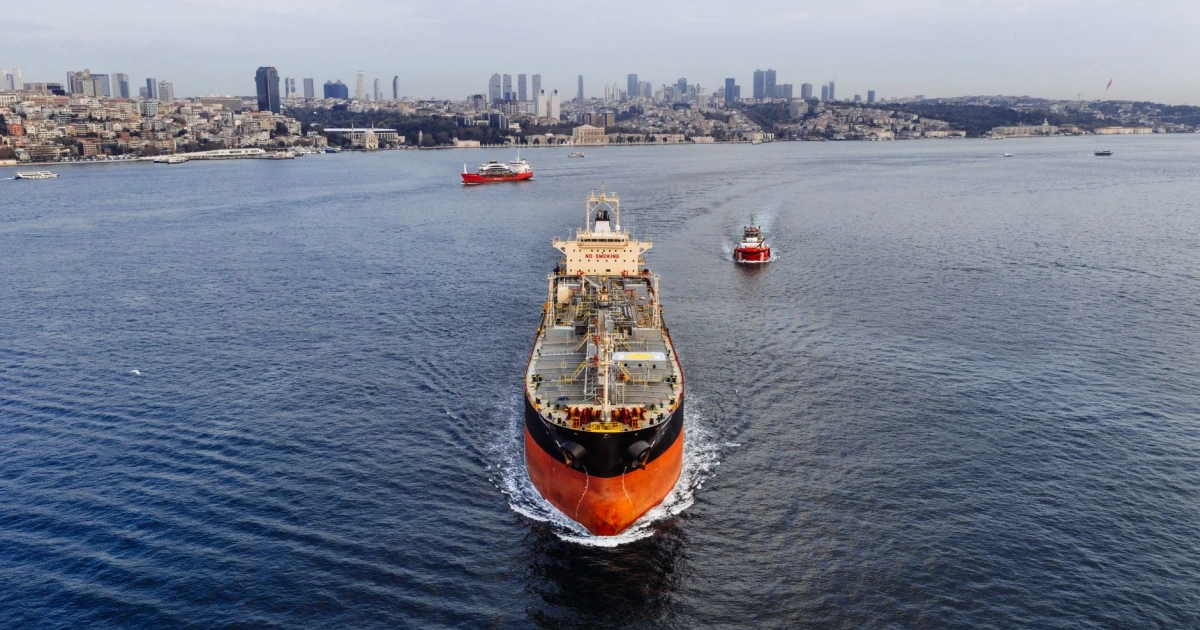
President Donald Trump said the United States was reinstating a blockade on Iranian shipping in the Gulf and would charge a 20% toll on cargo passing through the Strait of Hormuz, a move that immediately fed two separate selloffs in markets already on edge. CNBC said the S&P 500 fell 0.4% and the Nasdaq dropped 1% on Monday, while oil prices jumped more than 8% after the announcement and the latest exchange of strikes between the United States and Iran.
The Strait of Hormuz matters because it is one of the world’s most important energy choke points. The U.S. Energy Information Administration says about 20 million barrels a day flowed through the waterway in 2024, roughly one-fifth of global petroleum liquids consumption. More than one-quarter of global seaborne oil trade passes through the strait, and around one-fifth of global LNG trade also moves through it. The agency says there are few practical alternatives if the route is blocked, which is why even the threat of disruption can ripple quickly into fuel costs and inflation expectations.
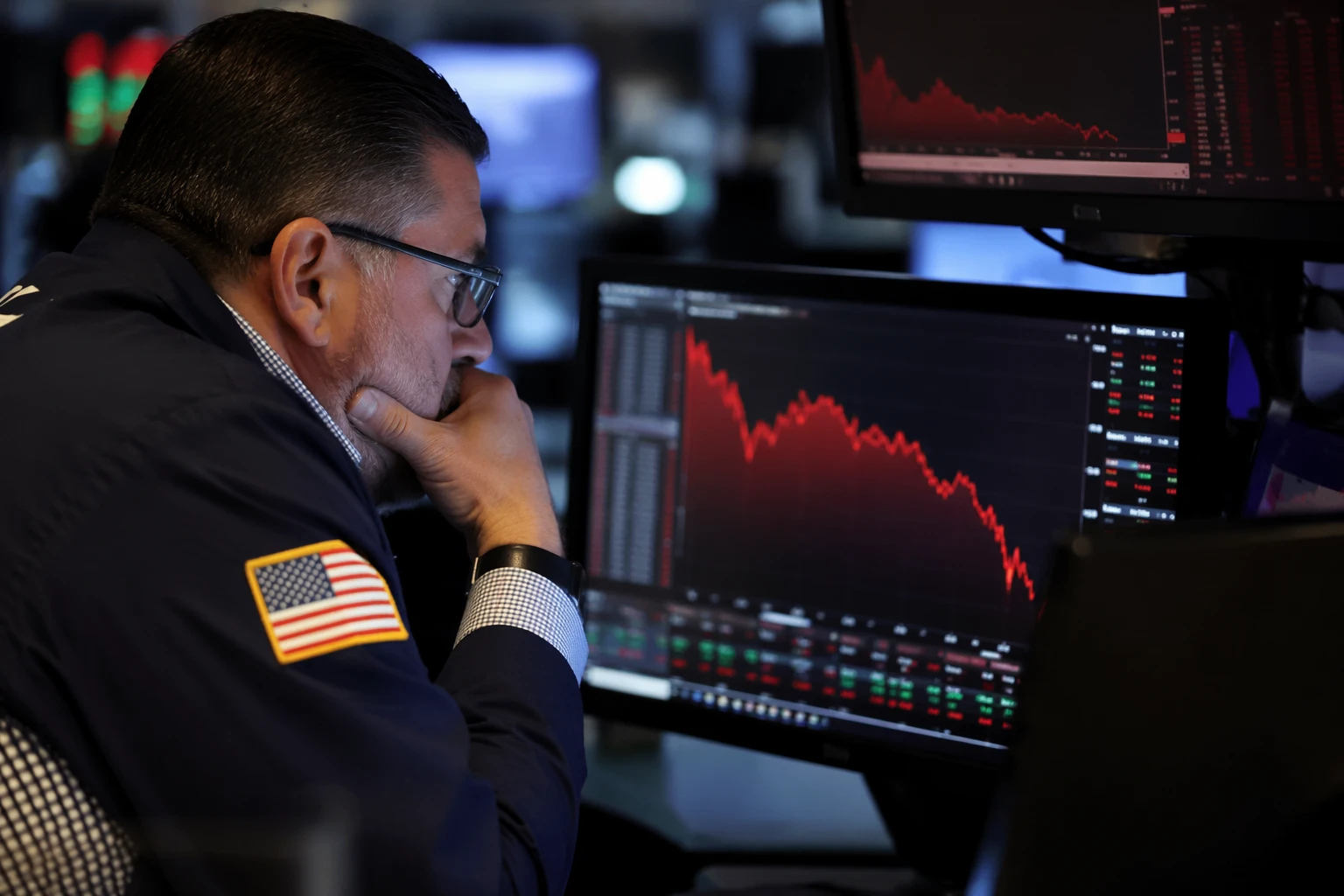
That risk lands far beyond the trading floor. If shipping through the strait stays constrained, higher crude prices can filter into gasoline and diesel costs, which tend to shape consumer sentiment and household budgets. In a market where retirement accounts are heavily exposed to broad equity indexes, a slide in both stocks and energy-sensitive assets can hit savers twice, first through portfolio losses and then through the possibility of higher prices at the pump.
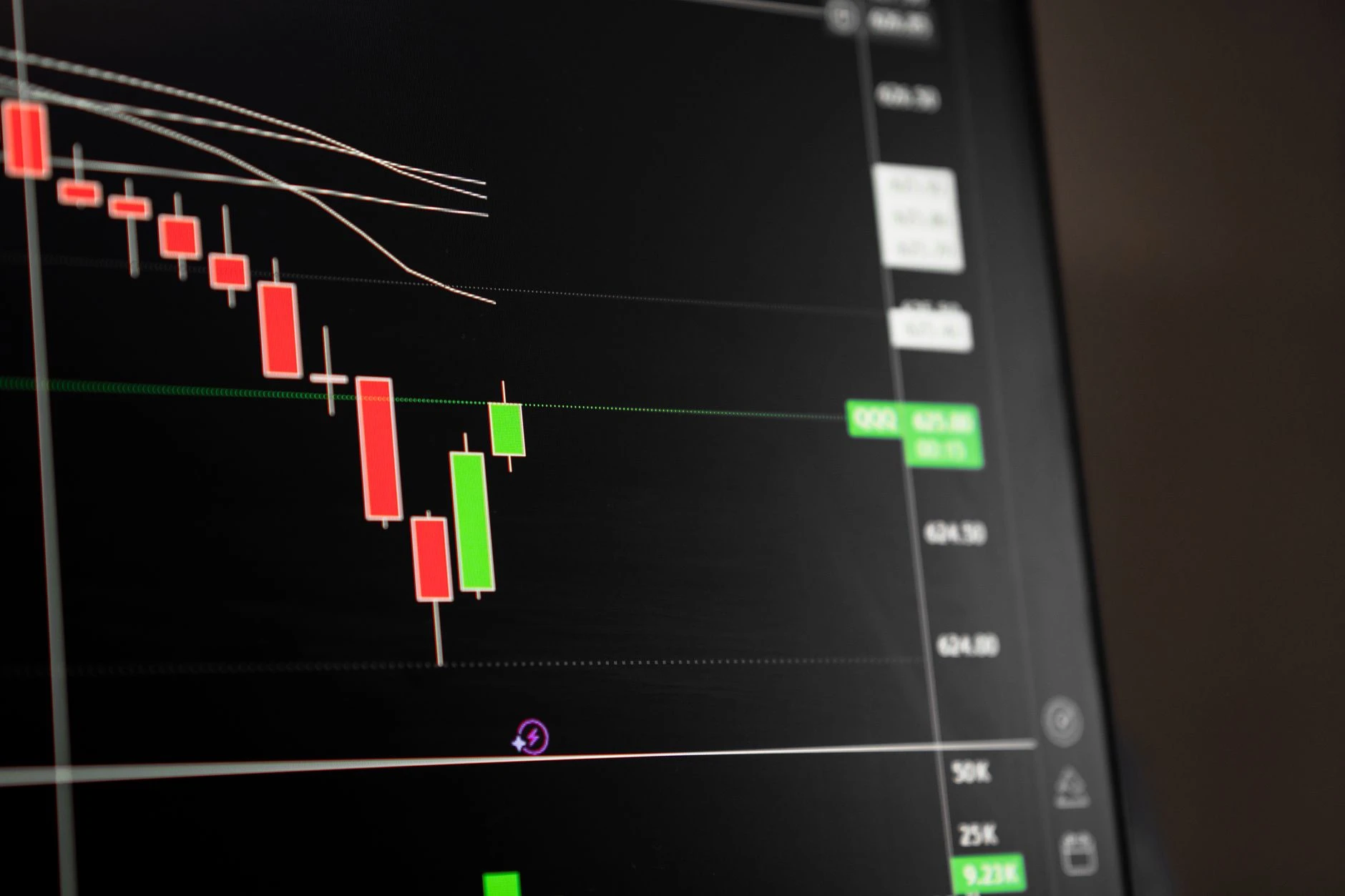
Tech stocks took a second blow from semiconductors, where the AI trade has been one of the market’s strongest growth stories. SK Hynix shares in Seoul fell more than 15% on Monday, their steepest drop on record, after the chipmaker’s blockbuster Nasdaq debut last week. Reuters said the fall was the company’s biggest one-day decline in nearly two decades, underscoring how quickly enthusiasm for AI-linked names can reverse when geopolitical fear and profit-taking meet.
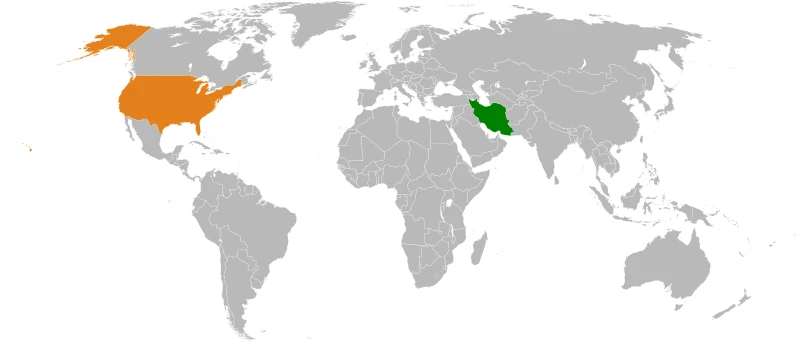
Bloomberg said the tension was already building after U.S. strikes earlier in the month hit more than 80 targets in Iran. With oil, bonds and equities all moving at once, traders were left weighing the same question from two angles: whether Middle East shipping risks can keep pushing inflation higher, and whether the most crowded part of the AI boom is starting to crack.
Sources
- [1]news.google.com
- [2]cnbc.com
- [3]usnews.com
- [4]eia.gov
- [5]finance.yahoo.com
- [6]bloomberg.com