Business
Stocks Fall, Oil Prices Surge Amid Iran Conflict Fears
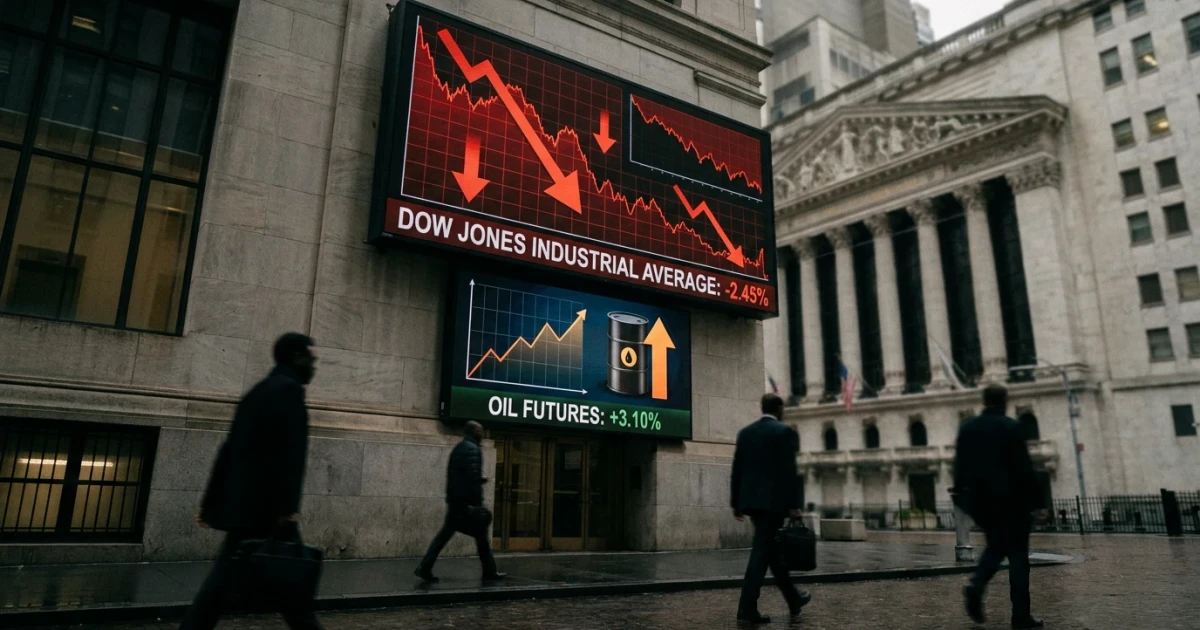
Wall Street experienced a sharp decline and oil prices surged on Monday as renewed fears about the Iran war drove a wave of uncertainty through financial markets. The Dow Jones Industrial Average fell over 400 points as investors reacted to mounting concerns that the conflict could escalate, impacting global energy supplies and economic stability.
Market Volatility Increases
The sell-off marked a significant reversal from recent record highs, highlighting how quickly geopolitical risks can unsettle investor confidence. Reports from AP News emphasized that the prospect of the Iran conflict flaring up again sent ripples through both equities and commodities. Trading volumes in U.S. equities spiked, reflecting a rush to safer assets as risk appetite diminished. According to Cboe market statistics, volatility levels rose sharply, with the CBOE Volatility Index (VIX) trending upward—a signal of increased uncertainty among investors.
- Dow Jones fell by 400 points in intraday trading
- Oil prices jumped more than 4% on renewed supply concerns
- Trading volumes surged as investors sought safer assets
Oil Prices React to Geopolitical Tensions
Crude oil prices responded swiftly to the news, with West Texas Intermediate (WTI) futures climbing above recent averages. The spike was driven by fears that any escalation in the Iran war could disrupt key oil production and shipping routes in the Middle East, a region critical to global supply. Data from the CME Group shows that WTI futures rose substantially, reflecting heightened demand for energy security. For historical context, Statista documents how oil prices have responded to previous geopolitical crises, underscoring the market's sensitivity to such events.
- WTI crude oil futures climbed above $80 per barrel
- Middle East supply fears fueled the price surge
Investor Sentiment and Broader Implications
The drop in stocks and jump in oil prices reflect a broader shift in investor sentiment. Market participants are increasingly wary of potential disruptions to global trade and energy flows. While Wall Street had recently reached record highs, these gains proved vulnerable to geopolitical developments. The Federal Reserve's interest rate data also indicated caution, with yields on safe-haven assets like Treasuries edging higher as investors sought refuge from volatility.
Analysts note that if tensions continue or escalate, sustained high oil prices could eventually translate into higher costs for businesses and consumers, raising the risk of inflation and slowing economic growth. According to a recent IEA Oil Market Report, global oil demand remains strong, but supply disruptions could significantly impact markets.
Looking Ahead
As uncertainty persists, investors are advised to monitor both geopolitical developments and market indicators. The combination of a falling stock market and rising oil prices underscores the interconnectedness of global events and financial performance. For ongoing updates and detailed data, readers can track S&P 500 historical performance and market volatility trends.
While the situation remains fluid, the market's reaction serves as a reminder of the importance of geopolitical stability for economic health. Future market movements will likely hinge on developments in the Iran conflict and the broader response from the global community.