Business
Stocks rebound as Iran peace hopes offset hawkish Fed worries
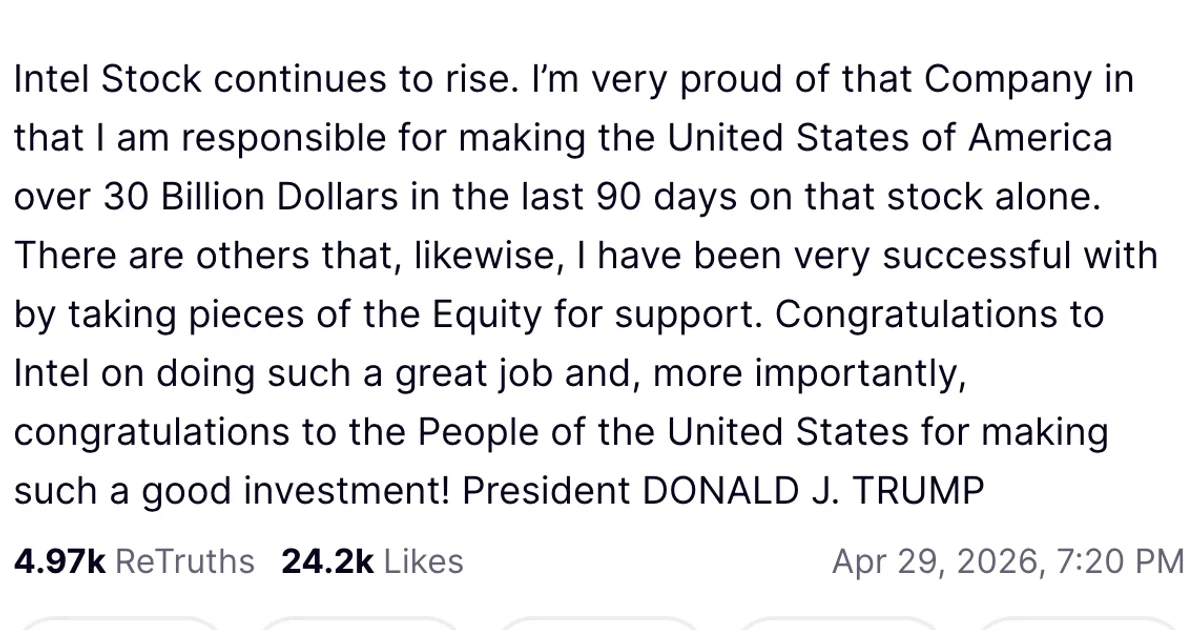
Wall Street regained its footing as investors unwound part of the war-risk trade around Iran, sending stocks higher and oil lower. Semiconductor shares led the advance, with Intel jumping almost 10% after Donald Trump said Apple had agreed to work with Intel to design and manufacture chips in the United States.
The rally was built on a clear macro shift: easing fears of a wider Middle East conflict. The United States and Iran had already reached a tentative agreement to end hostilities and reopen the Strait of Hormuz, a critical route for global crude shipments. Oil fell more than $1 a barrel after the interim accord, and Brent crude, which had climbed to around $84 after conflict highs near $120, moved closer to the levels that prevailed before the fighting intensified. Lower oil prices matter because they reduce the risk of another inflation flare-up just as markets are again trying to judge the path of rates.
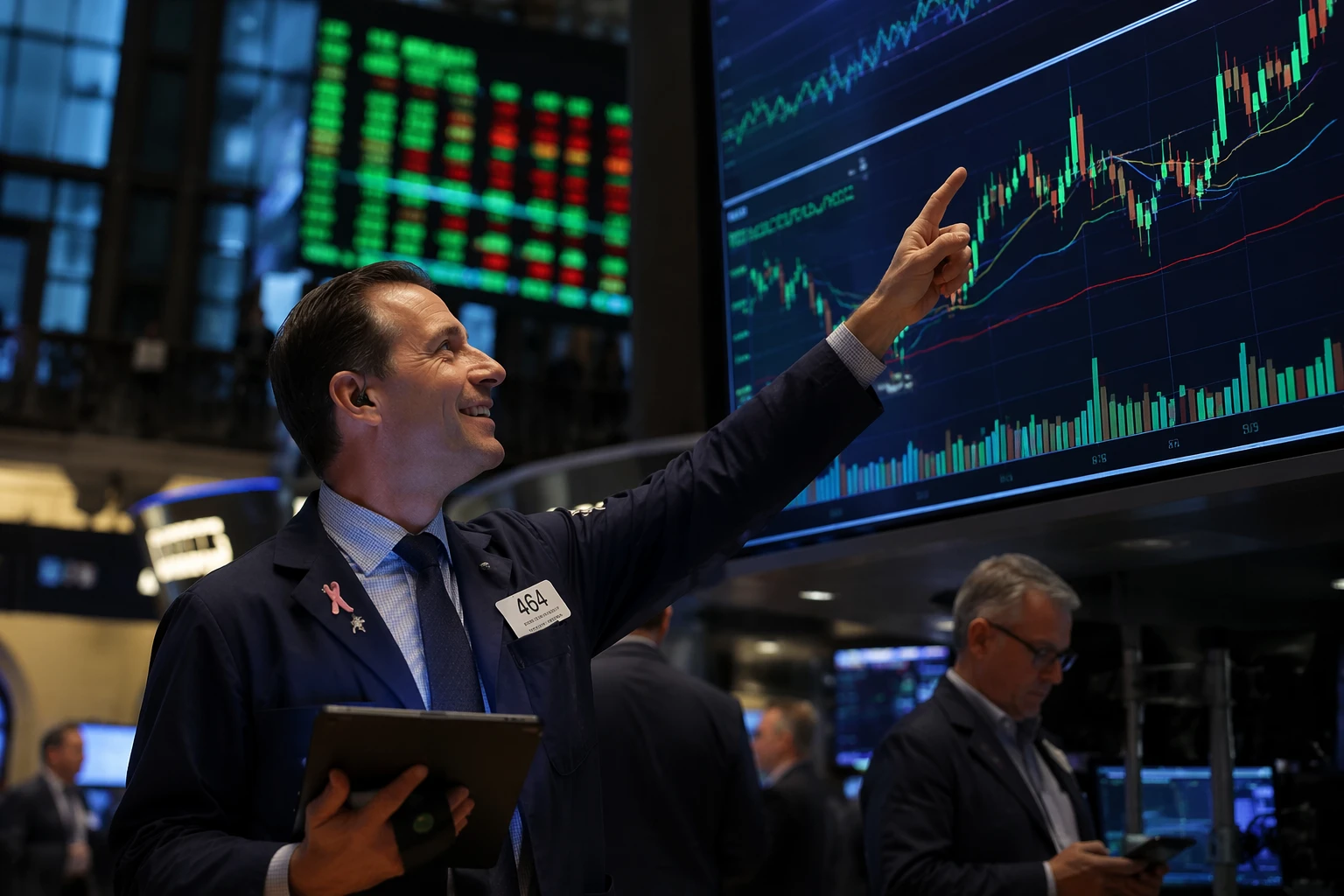
That is where the second force in the market came in. The Federal Reserve kept its benchmark rate unchanged at Kevin Warsh’s first meeting as chair and delivered a more hawkish signal, with the overnight rate left at 3.5% to 3.75%. The policy statement dropped its previous easing bias, and traders were already pricing in at least one rate increase later in 2026. That left investors balancing two very different impulses: relief that geopolitical risk may be receding, and concern that monetary policy is about to stay tighter for longer.
The earlier move showed how quickly the market had leaned into the peace narrative. On June 15, the S&P 500 rose about 1.6% to 1.7%, the Nasdaq climbed about 3.0% to 3.1%, and the Dow Jones Industrial Average closed at a record high after the tentative U.S.-Iran deal was announced. Stock markets rallied worldwide, reinforcing the view that the first response to the conflict was a classic risk-off shock, followed by a sharp unwind once the prospect of de-escalation emerged.
What remains unresolved is whether investors are pricing a durable thaw or simply reversing an exaggerated panic. If the Iran deal holds and crude keeps slipping, the market can keep leaning on lower inflation fears and stronger growth-sensitive shares, especially in technology. If the truce frays, the same trades that rallied on relief could quickly reverse, while the Fed’s tougher stance keeps a ceiling on the broader advance.
Sources
- [1]news.google.com
- [2]money.usnews.com
- [3]cnbc.com
- [4]reuters.com
- [5]apnews.com