Business
Stocks Retreat as Bond Yields Surge Amid Inflation Concerns
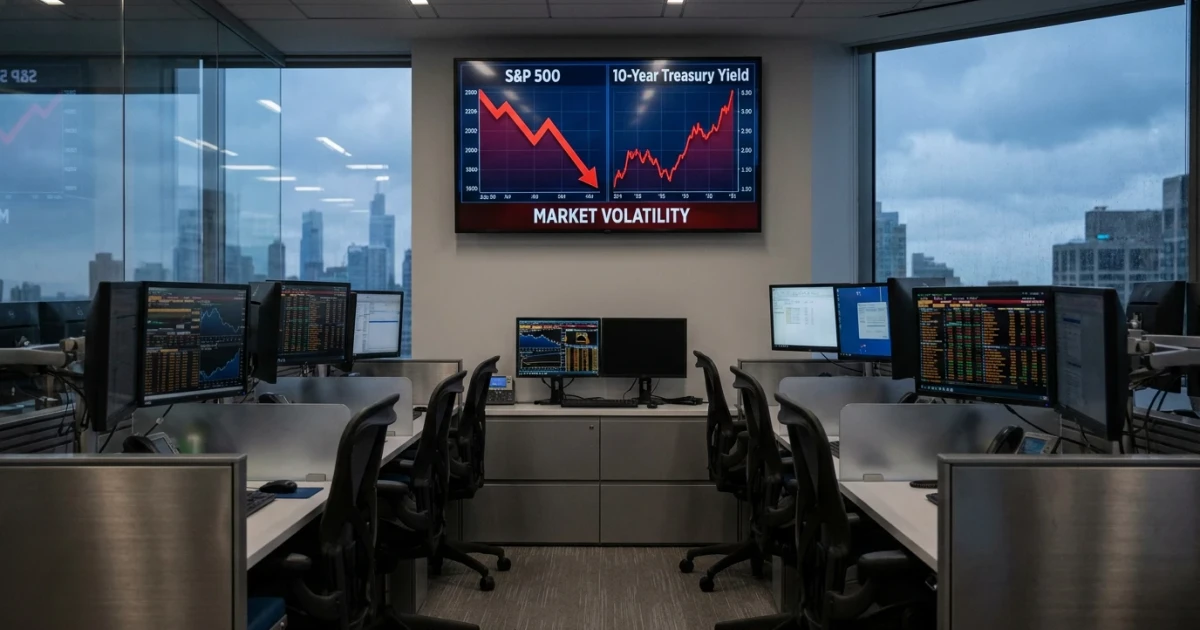
U.S. stocks fell sharply on Tuesday as a deepening selloff in government bonds pushed Treasury yields higher, fueling concerns about persistent inflation and its effect on financial markets. The decline was led by technology shares, with the Nasdaq Composite experiencing notable losses, according to live market coverage from The Wall Street Journal and CNBC.
Bond Market Pressures Intensify
Investors grew increasingly uneasy as the yield on the benchmark 10-year U.S. Treasury surged, reflecting expectations that inflation will remain elevated and may prompt the Federal Reserve to hold interest rates higher for longer. The climb in yields, which inversely affect bond prices, accelerated a broader selloff in the bond market. Real-time government bond data from Bloomberg and official Treasury auction results confirm the steep rise in yields across maturities.
- The 10-year Treasury yield has reached levels not seen since late 2023, according to historical data.
- Recent Consumer Price Index (CPI) releases show inflation remains above the Fed's target, reinforcing market anxieties.
- Bid-to-cover ratios at recent Treasury auctions suggest investors are demanding higher yields for holding longer-term government debt.
Stocks Respond to Rising Rates
Higher yields put pressure on equities, especially growth-oriented sectors such as technology, which are more sensitive to changes in borrowing costs. The Nasdaq Composite Index posted a rough session, with major tech names declining amid the broader retreat. The S&P 500 and Dow Jones Industrial Average also lost ground, reflecting a risk-off mood among investors.
- The S&P 500 slipped, as sectors like consumer discretionary and real estate lagged.
- Market volatility increased, with traders reassessing the outlook for rate-sensitive stocks.
- Energy and financials were comparatively resilient, benefiting from the higher rate environment.
Inflation Fears Drive Market Moves
Persistent inflation remains the central concern for both bond and equity investors. The latest CPI data from the Bureau of Labor Statistics showed that core inflation has not eased as quickly as hoped, prompting fears that the Federal Reserve may delay rate cuts. According to CME Group's FedWatch Tool, probabilities for a near-term rate reduction have diminished, with futures markets now pricing in fewer cuts for 2026.
Analysts note that rising borrowing costs could dampen consumer spending and corporate investment, adding further pressure to stocks. The bond selloff also increases financing costs for the government, complicating fiscal planning.
Investor Strategies and Outlook
Market participants are closely watching Federal Reserve communications for clues about future policy. The official FOMC meeting calendar remains a key focus, with upcoming statements expected to address inflation and rate path concerns. Many investors are shifting portfolios toward sectors resilient to higher rates, while others are seeking opportunities in short-term bonds or cash equivalents.
Looking Ahead
The persistence of inflation and elevated yields continues to weigh on U.S. markets. Most analysts agree that volatility may persist until clearer signals emerge from economic data and Federal Reserve policy statements. As the bond selloff deepens, the interplay between rates, inflation, and asset prices will remain central to market dynamics.