Business
Stocks rise as oil prices fall, calm returns to markets
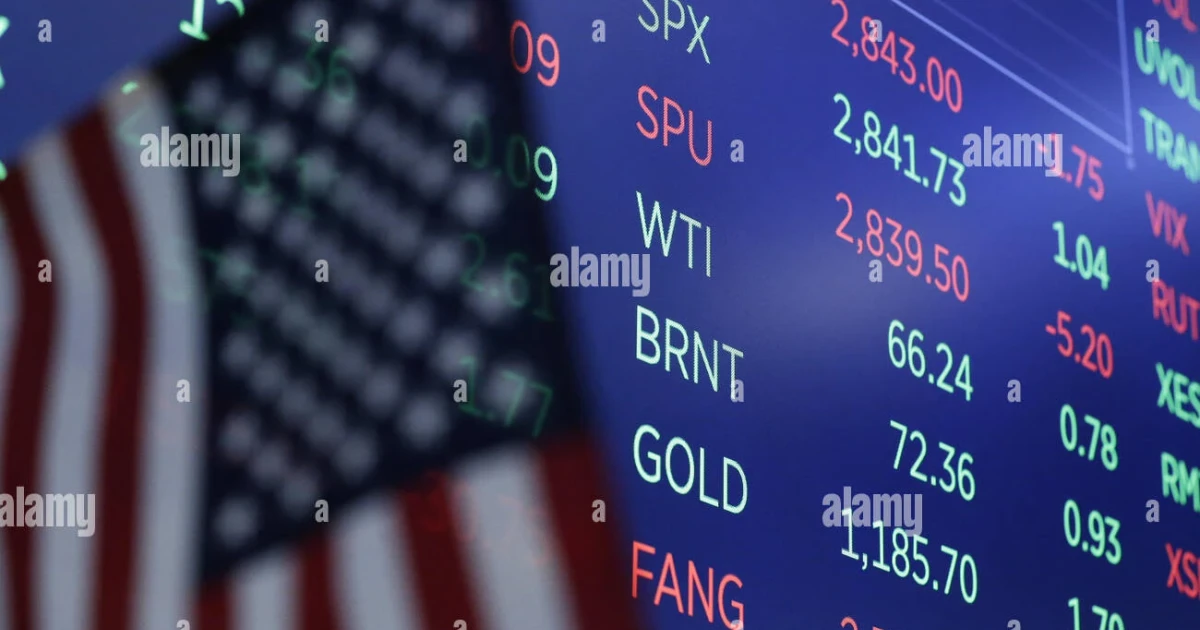
Wall Street steadied Thursday as the S&P 500 rose 0.7%, the Dow Jones Industrial Average gained 198 points, or 0.4%, and the Nasdaq composite climbed 0.9% by 12:33 p.m. Eastern, while Brent crude dropped 2.1% to $76.39 a barrel. The bounce gave retirement accounts tied to the major indexes a lift after a jolt of geopolitical selling that had punished stocks just a day earlier.
The market’s calmer tone was visible from the opening stretch, when the S&P 500 was up 0.2%, the Dow had added 71 points and the Nasdaq was higher by 0.2% at 10:15 a.m. Eastern, with Brent off 0.7% at $77.45. Traders were still watching whether the latest Middle East tensions would turn into a supply shock, but for the moment they were buying back risk.
That concern is rooted in one chokepoint: the Strait of Hormuz, where any disruption could slow tanker traffic out of the Persian Gulf and send crude sharply higher. The stakes are already showing up at the pump. AAA said the U.S. average price for regular gasoline stood at $3.85 a gallon on Thursday, up 68 cents from a year earlier, a reminder that oil volatility can quickly work its way into household budgets and headline inflation.
A day earlier, oil had surged more than 5% and global stocks and bonds had tumbled after President Donald Trump said the memorandum of understanding with Iran was over. The swing came after earlier relief had already proved fragile: on June 14, global stocks rallied and Brent fell 4.8% to $83.17 when the United States and Iran reached a tentative ceasefire extension and agreed to reopen the Strait of Hormuz.
The rebound in equities also had a technology engine behind it. South Korea’s Kospi rose 0.6% after a 5.3% drop the previous day, and SK Hynix jumped 5.3% in Seoul. Micron Technology climbed 6.8% and became the strongest force lifting the S&P 500, saying it was seeing “surging demand for memory in the AI era” as it updated progress on what it says is the largest semiconductor manufacturing site in U.S. history in central New York.
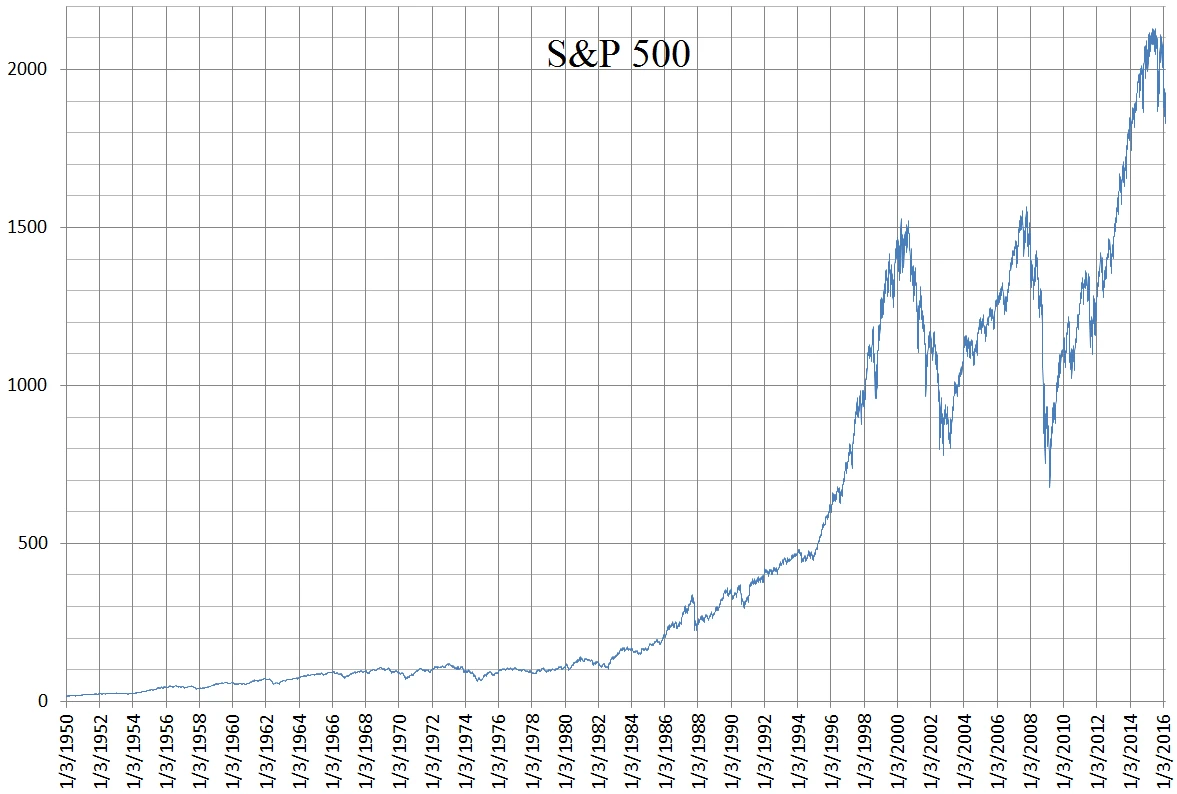
The market’s message was less about abandoning fear than repricing it. Investors seemed to be betting that the latest flare-up will stay contained, at least for now, but the path for oil, gasoline prices and the Federal Reserve will turn quickly if the Strait of Hormuz threat returns.
Sources
- [1]news.google.com
- [2]wnct.com
- [3]local10.com
- [4]finance.yahoo.com
- [5]cnbc.com
- [6]msn.com