Business
Stocks Slide as Iran Conflict Fuels Market Uncertainty
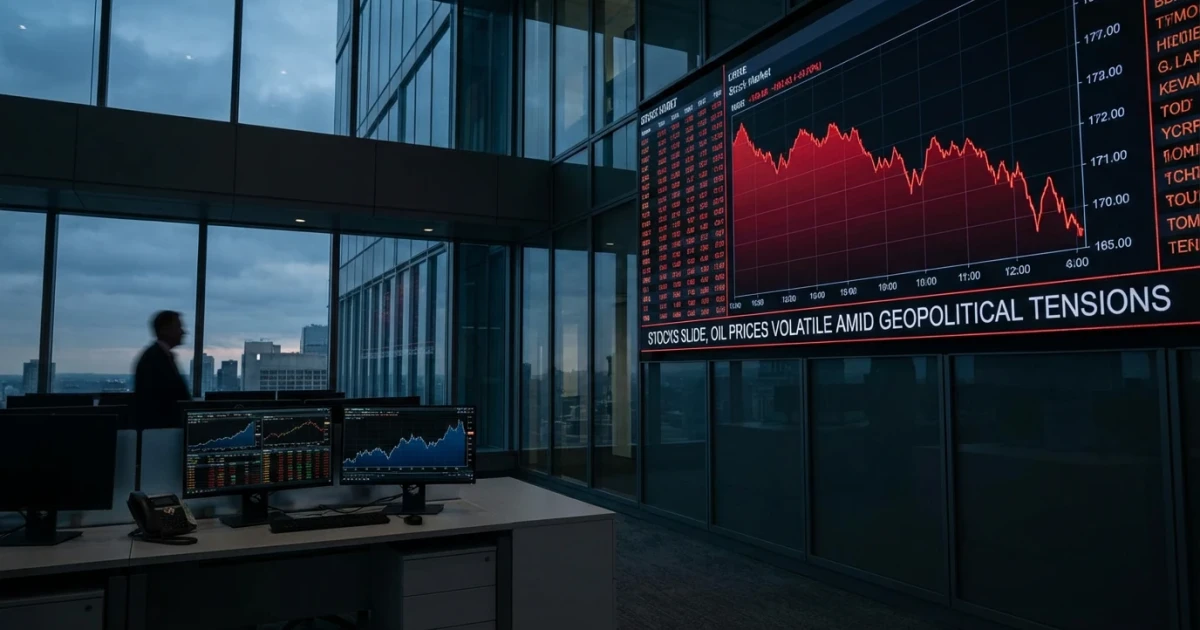
U.S. stocks dipped again this week, with the Dow, S&P 500, and Nasdaq all posting losses as the ongoing Iran conflict continued to rattle investors and send oil prices swinging. The losses mark the fourth consecutive week of declines for major indices, deepening concerns over market stability in the face of persistent geopolitical turmoil.
Market Indices Extend Losing Streak
Trading throughout the week reflected broad unease, with the Dow Jones Industrial Average, S&P 500, and Nasdaq Composite each recording declines. As reported by CNBC, this marks the fourth straight week that stocks have ended in the red. Investors remained cautious, responding to headlines out of the Middle East and shifting their portfolios in anticipation of further volatility.
- The S&P 500 drifted lower, reflecting widespread selling across sectors. For a closer look at recent performance, readers can explore S&P 500 historical data on Yahoo Finance.
- The Dow Jones Industrial Average also slipped, erasing gains made earlier in the year.
- The Nasdaq Composite, typically sensitive to tech sector developments, continued its downward trend amid uncertainty.
According to CNBC, this sustained downturn highlights investor anxiety over the potential economic fallout from the conflict and its effect on global markets. Volume and volatility have increased as traders respond to fast-moving headlines and shifting oil prices.
Geopolitical Tensions Drive Oil Price Volatility
The ongoing war in Iran has triggered dramatic swings in oil prices, further pressuring equities and amplifying market uncertainty. As the situation evolves, crude oil prices have responded to both fears of supply disruptions and hopes for diplomatic intervention.
- Oil prices spiked earlier in the week before retracing as reports emerged about possible negotiations. Readers can track historical crude oil price data for detailed trend analysis.
- Energy stocks experienced higher-than-usual volatility, with some outperforming the broader market due to rising oil prices, while others retreated on profit-taking and demand concerns.
Market analysts have pointed to the conflict’s potential to impact global supply chains, particularly in the energy sector. The uncertainty has left investors oscillating between risk-on and risk-off strategies, with some moving to safer assets and others seeking opportunities in oil-linked instruments.
Investor Sentiment Remains Cautious
With four consecutive weeks of losses, investor sentiment has become increasingly cautious. CNBC’s market updates noted that many traders are waiting for clearer signals from both the geopolitical front and the Federal Reserve before making major portfolio moves.
- Defensive sectors, such as utilities and consumer staples, have seen relative strength as investors seek stability.
- Growth stocks and tech shares, typically more sensitive to global shocks, have borne the brunt of the recent sell-off.
- Trading volume and volatility metrics, which can be observed on the Cboe US Equities Market Statistics page, have remained elevated compared to earlier in the year.
Looking Ahead
As the Iran conflict continues to unfold, markets are expected to remain volatile. Investors and analysts will watch for further developments in the region, as well as any policy responses from central banks or governments aimed at stabilizing the global economy.
For now, the fourth consecutive week of losses underscores the market’s sensitivity to geopolitical risks and the potential for further swings in both equity and energy markets. Readers can explore more about the broader U.S. market context and sector breakdowns on Statista’s U.S. stock market statistics.
While some analysts suggest that periods of volatility can offer buying opportunities for long-term investors, most agree that caution remains warranted until there is greater clarity on the geopolitical situation and its economic implications.