Business
Stocks slip as U.S., Iran strikes reignite Strait of Hormuz fears
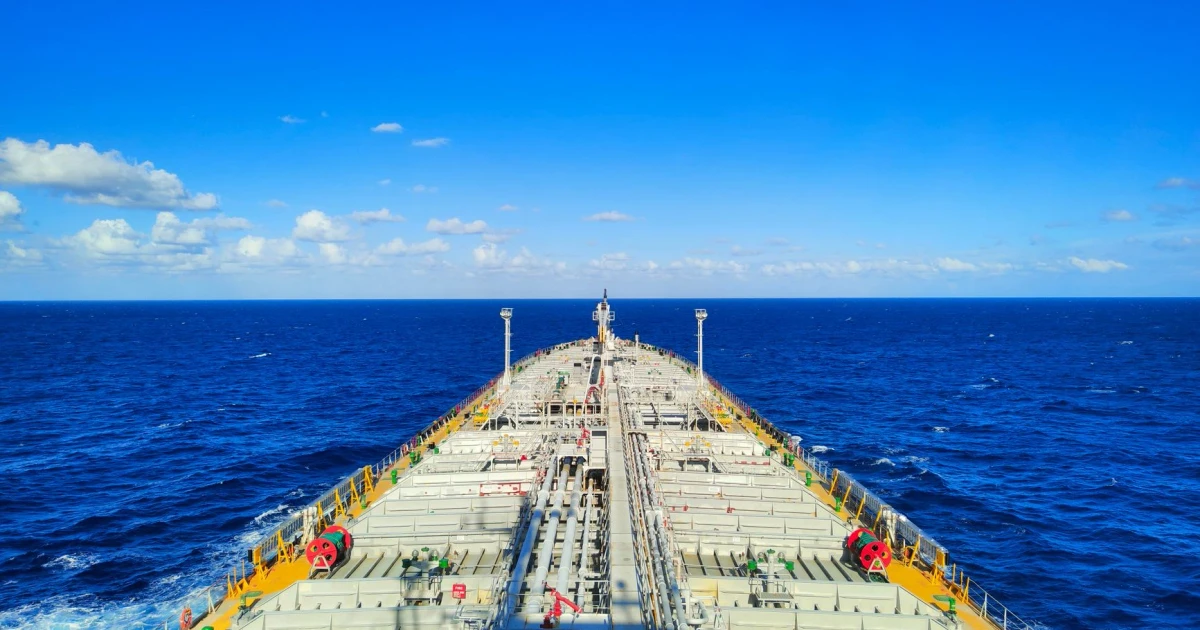
Brent crude climbed above about $78 a barrel and U.S. stock-index futures edged lower as renewed strikes between the United States and Iran reignited fears over the Strait of Hormuz, the narrow waterway that moves a huge share of global energy shipments. Traders were forced back to the same question that has unsettled markets for months: whether a regional conflict can turn into a broader oil shock.
The heaviest damage showed up in Asia. South Korea’s KOSPI fell 6.67% to 6,977, and a sell-side sidecar was triggered, briefly halting program trading. The drop came as Iran claimed it had again closed the strait after heavy missile and drone exchanges, while U.S. forces carried out fresh strikes in response to attacks on ships transiting the waterway. The scale of the move in Seoul underscored how quickly Gulf tensions can spill into equities far from the Middle East.
The dollar also strengthened against most peers as investors priced in higher inflation risks and the possibility that central banks could stay tighter for longer. That matters far beyond currency desks. When crude jumps more than 3% to 4% in a single stretch, fuel costs can move into gasoline, jet fuel and freight rates, with immediate pressure on airline margins and shipping bills. For retirement accounts tied to broad equity indexes, the combination of weaker futures, a sliding KOSPI and a stronger dollar is a reminder that geopolitical shocks can hit portfolios through both stocks and currencies.
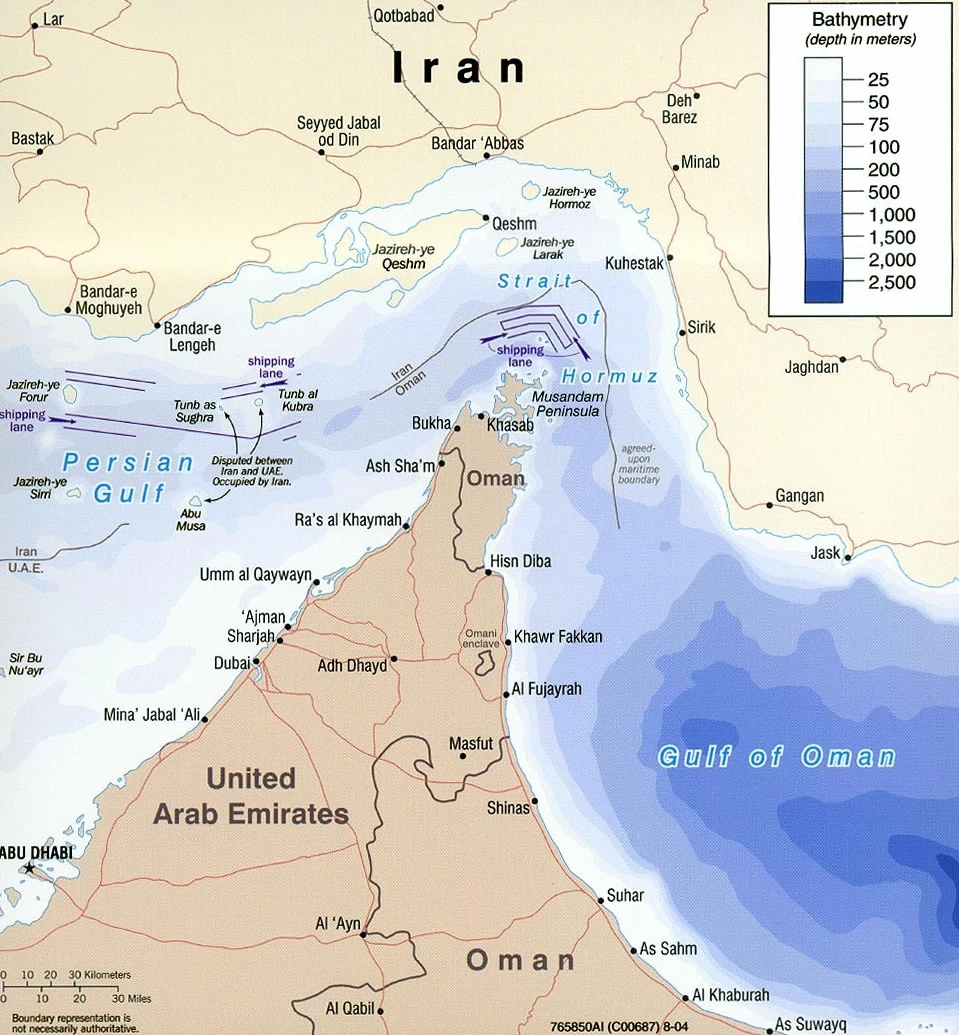
Corporate calendars added another layer of caution. Traders were already bracing for a packed week of earnings, making it harder for markets to absorb a fresh energy scare without repricing risk across sectors. The Strait of Hormuz remains the key pressure point because any credible threat to shipping there can force refiners, airlines and manufacturers to pay up for oil and insurance, even before physical supply is interrupted.
The inflation backdrop makes the move more dangerous for policymakers. The U.S. Energy Information Administration raised its global oil production forecast on July 7 after the opening of the Strait of Hormuz, a sign that supply assumptions can change fast when the route is secure. The Federal Reserve Bank of Dallas has said a plausible Iran-war oil shock could lift fourth-quarter headline PCE inflation by 0.6 percentage points, a size of increase that would complicate any easing plans.
Sources
- [1]news.google.com
- [2]cnbc.com
- [3]channelnewsasia.com
- [4]apnews.com
- [5]usnews.com
- [6]tradingeconomics.com
- [7]eia.gov
- [8]dallasfed.org