World
Storms kill at least eight in central China as heavy rain looms
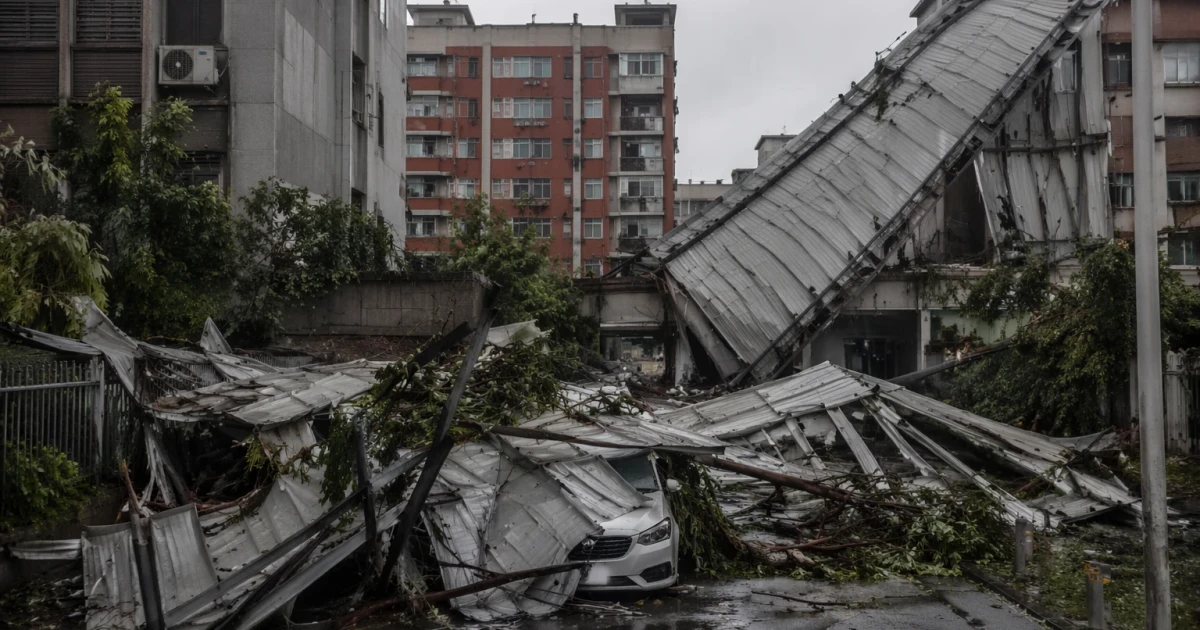
Eight people were killed and one person remained missing after thunderstorms and gales battered eastern Hubei, where winds reached 149 kph and two townships saw level-13 gusts. The storms hit Huangshi, Huanggang, Ezhou and Xianning between 7 pm and 11 pm on July 6, leaving rescue crews to search damaged areas while severe convective weather continued to threaten the province.
China's weather and emergency authorities were already warning that the danger was not confined to Hubei. The National Meteorological Centre said Guangxi, Jiangsu and Shandong faced extremely heavy rain, with some places expecting up to 260 millimeters in 24 hours and the risk of landslides and tornadoes. That raised the stakes for provinces that are carrying waterlogged ground, exposed river systems and crowded transport corridors into another round of storms.
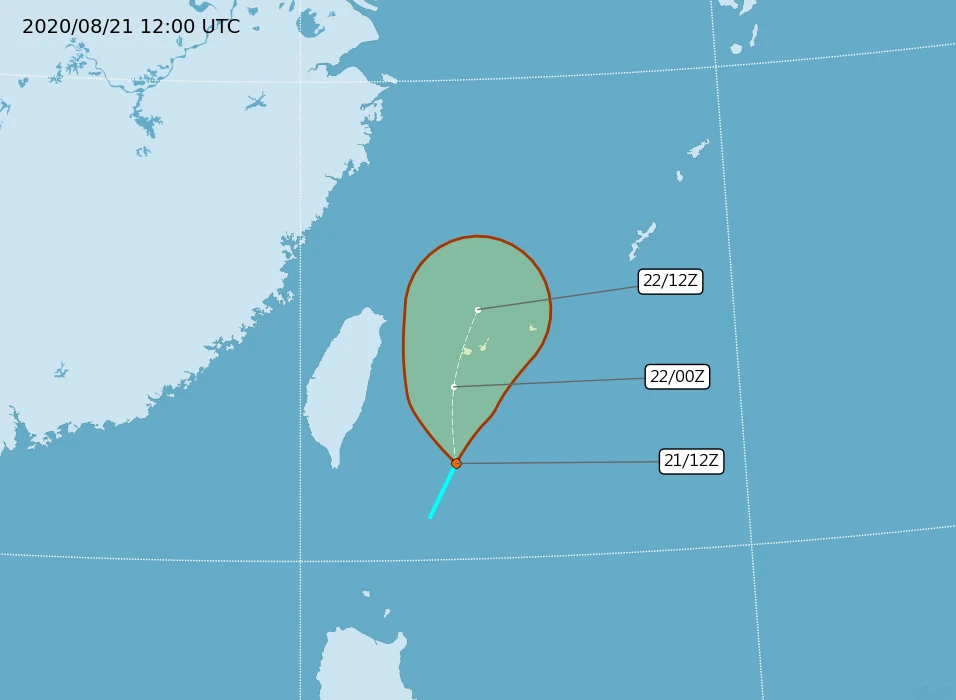
The Hubei deaths came as Typhoon Bavi crossed the Mariana Islands, affecting Guam, Tinian, Saipan and Rota before moving west toward Taiwan. On July 6, Guam Governor Lou Leon Guerrero urged residents to avoid travel and stay inside, and the U.S. National Weather Service later canceled Marianas watches and warnings at 5 am ChST on July 7. The storm's path added another layer of pressure to a region already contending with inland flooding and severe convection farther north.
The sequence has sharpened the policy challenge for Chinese officials. Hubei and Shandong are major agricultural provinces, and the storms threatened corn, peanuts and vegetables that are harvested later than wheat. Climate-driven weather extremes are already inflicting tens of billions of dollars in annual losses in China, with floods damaging crops, swamping cities and interrupting industrial production. The current pattern, with deadly inland storms followed by another surge of heavy rain and a powerful cyclone nearby, is testing whether warning systems, emergency evacuations and flood-control infrastructure can move fast enough when hazards arrive one after another.