World
Strait of Hormuz Crisis Raises Fears for Global Energy Markets
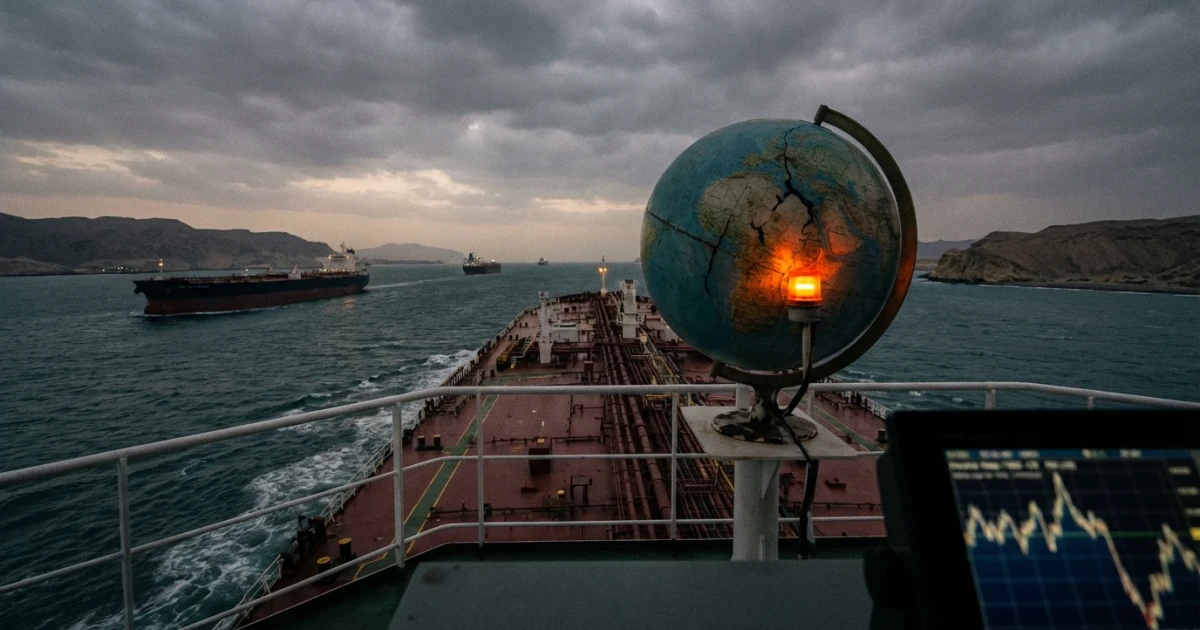
Escalating tensions in the Strait of Hormuz have put global energy markets on high alert, with the head of the International Energy Agency (IEA) warning that the situation represents a "major threat" to the world economy. The Economic Times reported that the IEA chief emphasized the critical role the Strait plays in global oil and gas shipments, underscoring growing concerns about stability in a region vital to energy supply chains.
Why the Strait of Hormuz Matters
The Strait of Hormuz is one of the world's most important energy chokepoints. Each day, approximately one-fifth of global oil consumption—amounting to nearly 21 million barrels—passes through this narrow waterway, linking major Middle Eastern producers with markets in Asia, Europe, and North America. Disruptions here can send shockwaves through energy prices, shipping routes, and the broader global economy.
- The Strait is also a critical route for liquefied natural gas (LNG) exports, especially from Qatar, one of the world’s largest LNG suppliers.
- According to the IEA Oil Market Report, security risks in the Strait can rapidly impact crude oil prices.
IEA Chief Sounds the Alarm
The Economic Times highlighted the IEA chief’s warning that the ongoing crisis in the Strait of Hormuz could have sweeping repercussions. The chief described the situation as a "major threat" to the global economy, reflecting not only the potential for immediate disruption but also longer-term risks to energy security and market stability.
Impact on Oil Prices and Markets
Historically, any instability in the Strait of Hormuz has led to sharp increases in oil prices. As noted in the West Texas Intermediate (WTI) crude oil price data, previous incidents—such as tanker attacks or geopolitical tensions—have resulted in sudden spikes, reflecting market fears over supply interruptions.
With the current crisis, traders and analysts are watching for signs of shipment delays, insurance hikes, or rerouting of vessels, all of which could constrain supply and drive up costs for consumers worldwide. The OPEC Monthly Oil Market Report tracks these developments closely, as any sustained disruption could affect not just prices but also production strategies and export volumes.
Broader Economic Risks
The significance of the Strait extends beyond energy markets. The IMF World Economic Outlook notes that sharp rises in oil prices can stoke inflation, disrupt trade balances, and slow economic growth, particularly in energy-importing nations. Developing economies that depend heavily on imported fuel are especially vulnerable to such shocks.
Maritime Security and International Response
Given the Strait’s strategic importance, any crisis there often prompts responses from major global powers. Efforts to secure navigation, reassure markets, and maintain open shipping lanes are typically coordinated through international maritime coalitions and diplomatic channels. However, as the IEA chief’s warning makes clear, the effectiveness of these responses is not guaranteed, and prolonged instability remains a serious concern.
Looking Ahead
As tensions in the Strait of Hormuz continue, observers will be monitoring both the immediate effects on global seaborne trade and the broader implications for energy policy, security, and economic stability. The IEA and other international agencies are urging governments and industry stakeholders to remain vigilant and prepared for potential further disruptions.
Moving forward, the world’s reliance on this strategic waterway underscores the need for diversified supply routes, robust contingency planning, and ongoing diplomatic efforts to safeguard the flow of energy on which the global economy depends.