Business
Strait of Hormuz deal eases fuel prices, but relief may take weeks
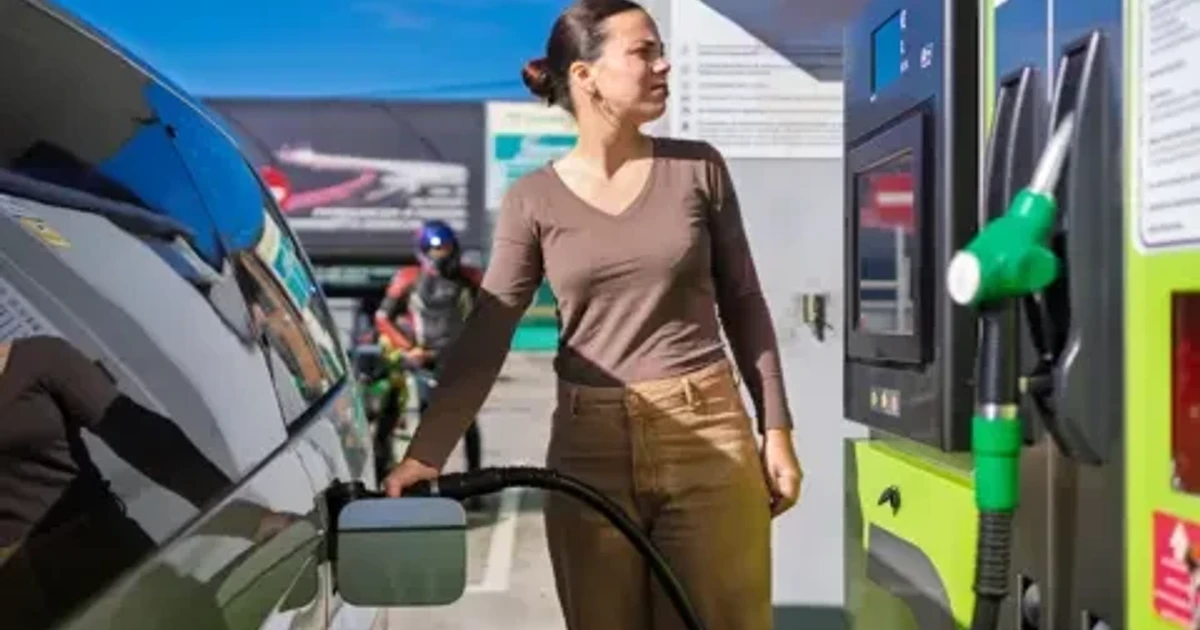
A deal to cool tensions in the Strait of Hormuz has already pushed U.S. gasoline below $4 a gallon, but the payoff for households will arrive in stages. The immediate reaction is in crude and wholesale fuel markets; the slower effect is in grocery bills, airfare, shipping costs and monthly budgets.
Why the Strait of Hormuz matters so much
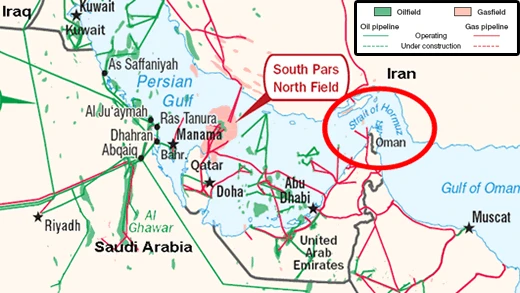
The Strait of Hormuz is not a symbolic flashpoint. It is one of the world’s most critical oil transit chokepoints, and its narrow geography leaves almost no room for detours. The International Energy Agency says the waterway is only 29 nautical miles wide at its narrowest point, with two shipping channels that are each about 2 miles wide.
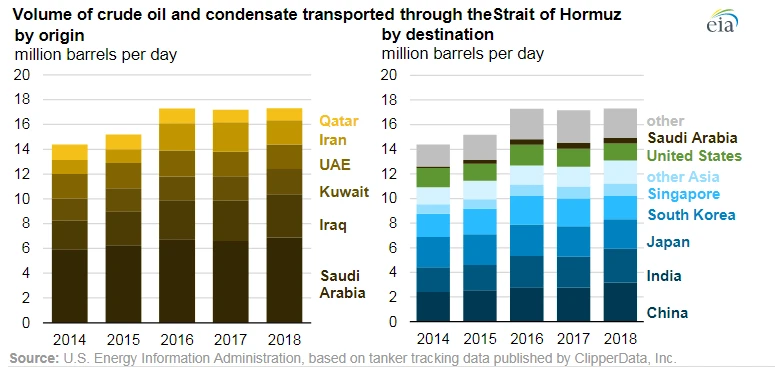
That physical bottleneck carries enormous economic weight. The U.S. Energy Information Administration said about 20 million barrels a day of oil moved through the strait in 2024, equal to roughly 20% of global petroleum liquids consumption. The IEA put the average 2025 flow at 20 million barrels a day of crude oil and oil products, underscoring how deeply the global energy system depends on an uninterrupted passage.
When the conflict intensified earlier in 2026, the squeeze was immediate. The IEA said March 2026 produced the largest supply disruption in the history of the global oil market, with flows through the strait dropping from roughly 20 million barrels a day before the war to a trickle. That is the backdrop for why even a preliminary de-escalation can move prices quickly, while a full normalization can take far longer.
The first relief is showing up at the pump
American drivers are already seeing some relief, even if the savings are not yet locked in. The American Automobile Association said on June 18, 2026, that the national average price for regular gasoline fell to $3.99 a gallon, the first time it had been below $4 since March 30. AAA also said gas prices were falling as the summer travel season heats up and crude prices were dropping after the United States and Iran reached a deal to reopen the Strait of Hormuz.
GasBuddy reported a similar pattern. Patrick De Haan said average gasoline prices fell in 47 states in the week cited, and that the national average slipped below $4 late Sunday for the first time since mid-April. Even with that decline, GasBuddy said the national average was still 91.1 cents per gallon higher than a year earlier, a reminder that households are getting relief from a much elevated level.
Oil markets reacted before consumers did. Reuters reported Brent crude fell to a three-month low and U.S. crude dropped to around the low-$80s per barrel after hopes of a U.S.-Iran agreement. CNBC said one senior U.S. official put the chance of a deal in the coming days at 80% before the pact was finalized. That is the classic sequence in energy markets: crude prices move first, wholesale fuel follows, and retail gasoline adjusts more slowly as stations work through existing inventories.
Why the savings may take weeks, not days
The deal has changed the direction of prices, but not the speed at which supply chains can unwind disruption. Reuters reporting said some banks expected it would take several months for oil flows through Hormuz and oil production to recover fully. That timeline matters because even if tankers start moving again, vessels, insurers and crews still need confidence that the route is safe.
NBC News reported that shipowners, insurers and vessel crews would need convincing before full-scale maritime traffic could resume. Reuters and the Associated Press also said the agreement was still a framework or preliminary deal, with the text not fully released and questions remaining about implementation, shipping security, Israel’s position and how quickly the strait could truly normalize.
That is why the benefit at the pump may feel uneven. Retail gasoline can fall quickly when crude drops, but the pace depends on how fast refiners and distributors reset prices, how much fuel they already bought at higher levels, and whether geopolitical risk really fades. The result is likely to be a gradual easing rather than a sudden reset.
What lower fuel costs can mean for inflation, travel and spending
The broad economic effect is bigger than gasoline alone. Reuters and other reports said the shutdown and related disruptions raised costs for oil, gas, fertilizer and packaging. The United Nations said the strait also carries large volumes of liquefied natural gas and raw materials for fertilizers and other critical industries. UN reporting said up to one-third of global trade in fertilizer raw materials passes through the strait, which is why supply problems there can ripple into food-security concerns.
That matters for inflation. Fuel is embedded in nearly everything households buy, from food delivery to manufactured goods to airfare. If crude stays lower, transportation costs can ease, shipping charges can soften and some producers may face less pressure to pass along higher input costs. The U.S. Energy Information Administration’s June Short-Term Energy Outlook added another piece to that picture, saying it had reduced its 2026 global oil demand forecast and that weaker demand could limit further price increases from Hormuz disruptions.
For travel, the effect is immediate but incomplete. Lower gasoline prices can trim the cost of road trips during the summer season, and that helps discretionary spending. But airfare, hotel rates and other travel expenses will only ease meaningfully if the decline in energy costs sticks long enough to work through airline fuel hedges, route planning and peak-season pricing.
The effect on retirement accounts is more mixed. Softer oil prices can help broader stock indexes if they ease inflation pressure and support consumer spending, but they can also weigh on energy shares, which are a meaningful part of many portfolios. For an investor with a 401(k) or IRA, the likely outcome is not a single-direction move but a sector shift: airlines, retailers and other fuel-sensitive companies may benefit sooner than oil producers.
The bigger question is confidence
Household confidence often improves when people believe relief will last. Cheaper gasoline leaves more room in the monthly budget, and that can support spending on dining, travel and durable goods. But confidence tends to rise only when the market signal is sustained, not when prices fall for a few days and then snap back on the next geopolitical headline.
That is the central lesson in the Hormuz story. The market has already priced in hope, and drivers are already seeing lower prices at the pump. But the path from a diplomatic deal to a steadier monthly budget runs through tanker traffic, insurance coverage, refinery flows and consumer expectations, and those layers do not clear overnight.
Sources
- [1]bbc.com
- [2]eia.gov
- [3]iea.org
- [4]newsroom.aaa.com
- [5]gasbuddy.com
- [6]un.org
- [7]unctad.org