World
Strait of Hormuz remains open as Iran conflict disrupts shipping
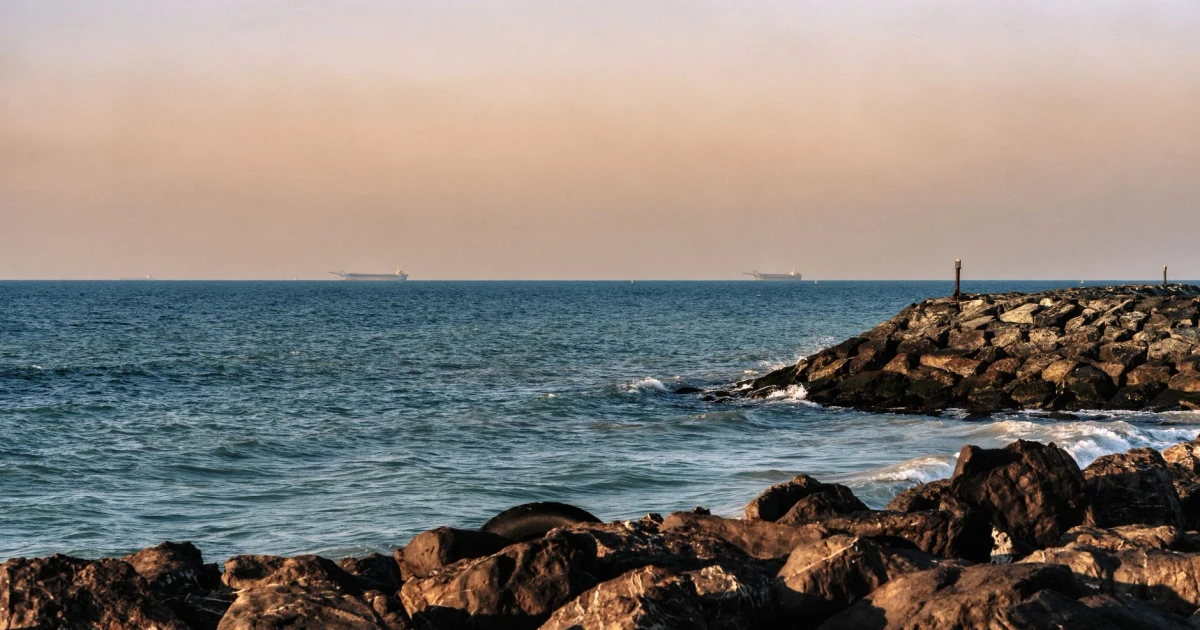
The Strait of Hormuz remained open on Sunday even as the conflict around Iran pushed shipping toward a near-standstill, a disruption that could quickly feed into U.S. gasoline prices, shipping insurance costs, military posture and consumer bills at home. U.S. Central Command said the waterway was open to all vessels and that American forces were positioned and prepared to ensure freedom of navigation, while Bloomberg reported the southern route through the strait was still open despite Iran’s declaration that it had closed the passage.
The immediate danger is not just the legal status of the strait, but whether attacks on commercial shipping continue long enough to force a broader U.S. response. If the exchange with the Islamic Revolutionary Guard Corps becomes sustained, or if tankers and escorting naval forces are hit again, Washington would face a sharper choice between protecting the flow of oil through the Gulf and risking a direct military escalation. The International Maritime Organization said on July 8 that hundreds of ships carrying around 6,000 seafarers were stranded in the Persian Gulf, and its incident tracker counted 52 confirmed incidents in the Strait of Hormuz and the wider Middle East conflict zone, with 14 confirmed seafarer fatalities.
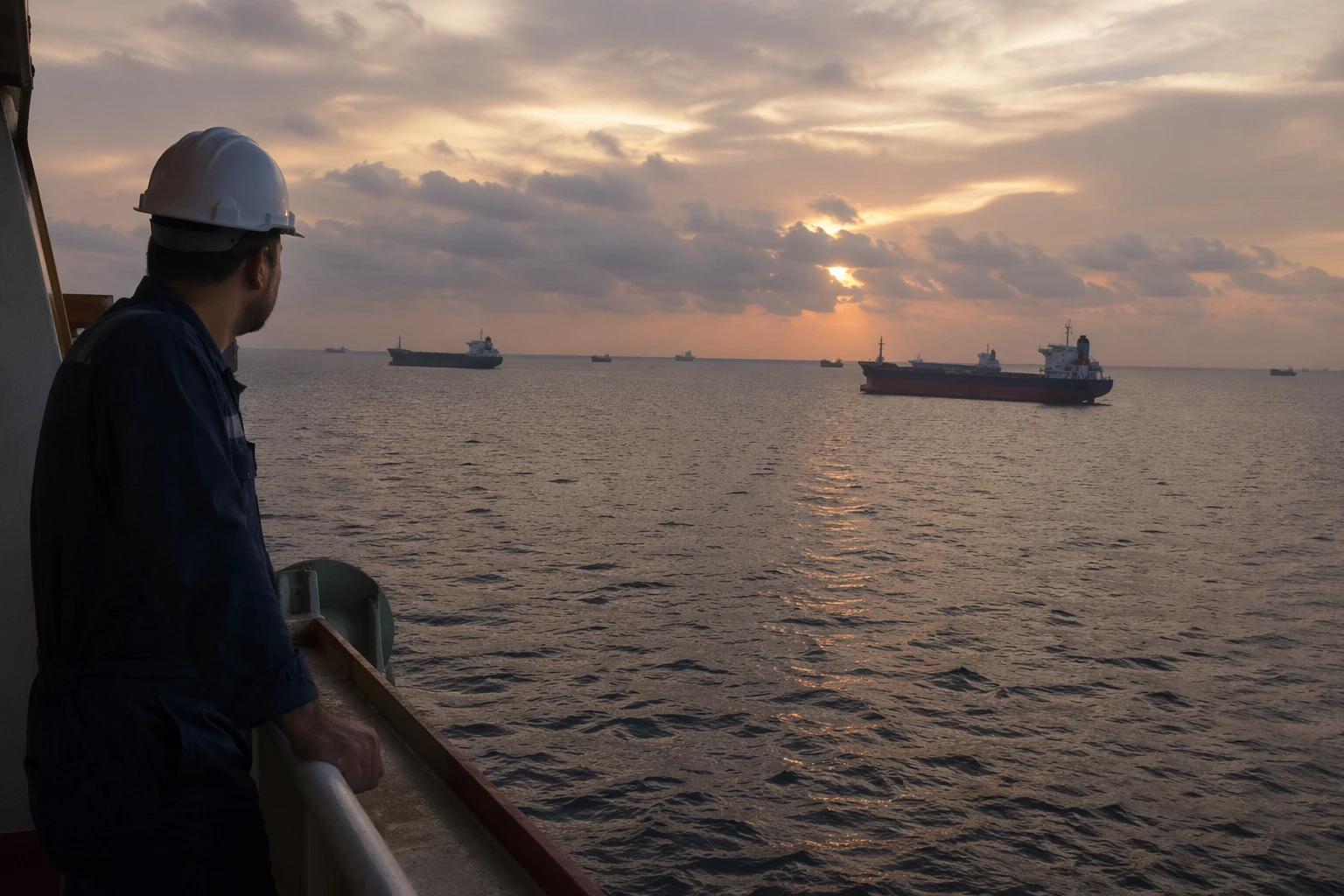
United Nations reporting on July 9 said renewed hostilities had driven shipping in the Strait of Hormuz to a near-standstill, underscoring how quickly the conflict has moved from regional violence to a global trade problem. The IMO called for maximum restraint and de-escalation, and warned that innocent seafarers were bearing the most immediate risk while ships sat idle or waited for safer passage.
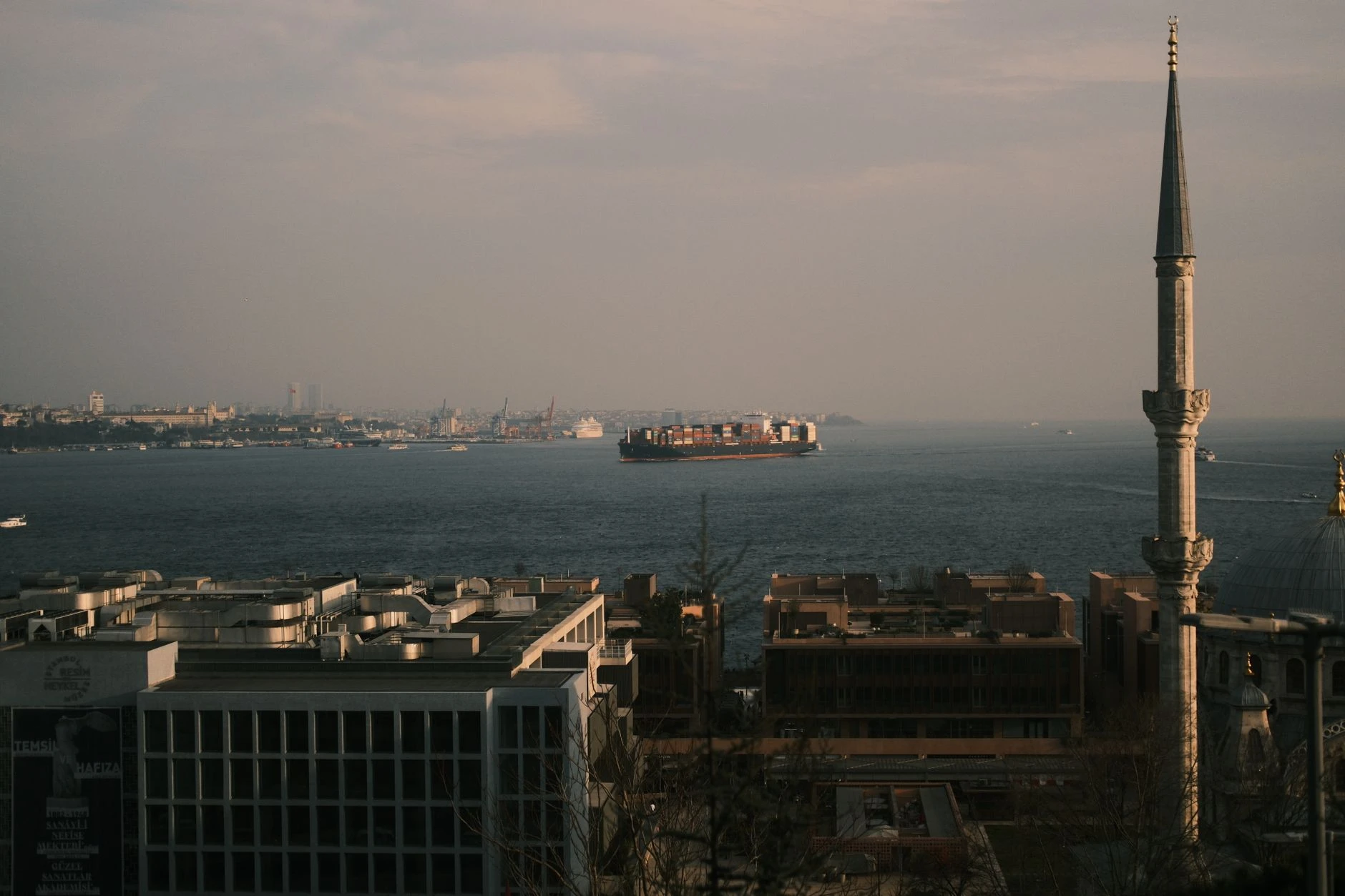
The pressure has also opened a narrow diplomatic channel. CBS News reported on July 10 that Iranian officials privately told Trump advisers they had made a mistake in shooting at commercial ships in the strait, describing the attacks as the work of an errant faction of hardliners who wanted to undermine negotiations. On the same day, AP said the United States was demanding that Iran publicly guarantee the strait remains open and stop attacks on ships. Iran’s foreign minister was then in Oman on July 11 discussing safe passage arrangements for shipping.
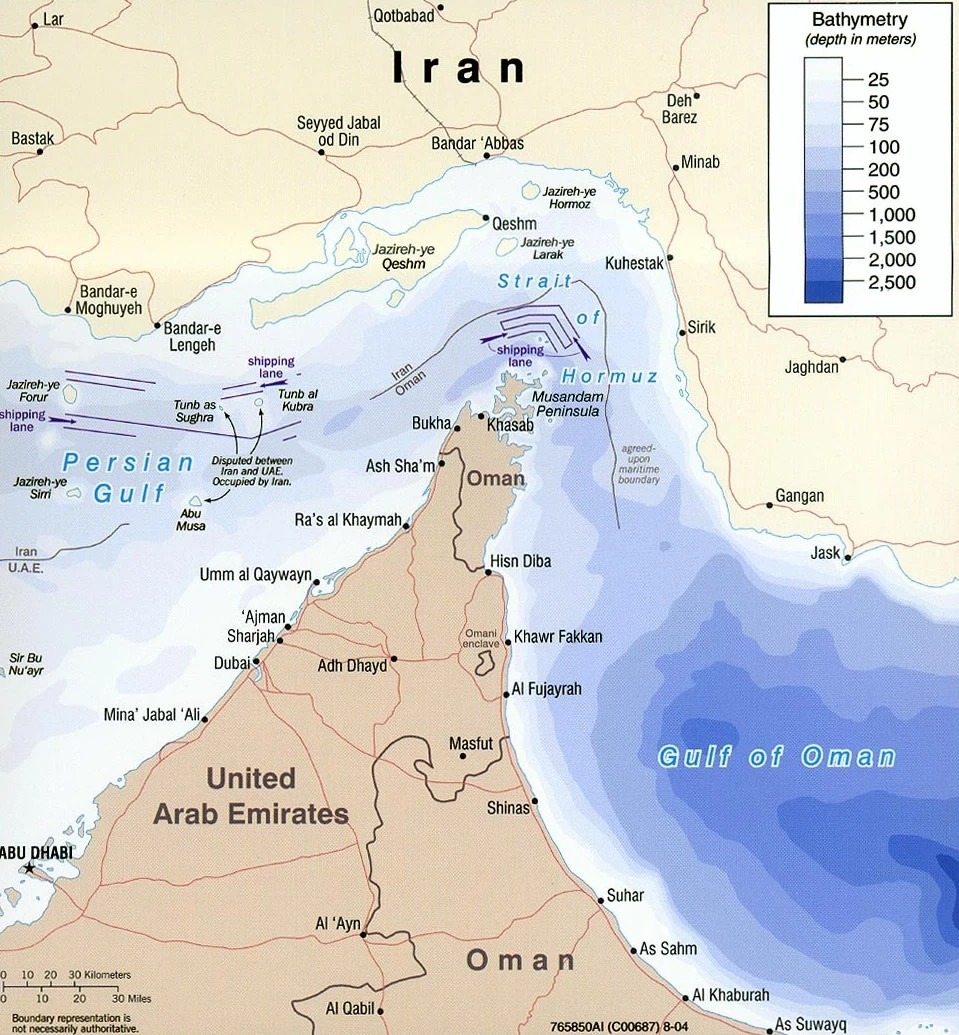
The escalation was visible inside Iran as well. Al Jazeera reported explosions in Bandar Abbas, Qeshm Island, Sirik and nearby areas in southern Iran during the fighting, showing how the crisis around Hormuz has spread across the country’s coastal edge. For now, the strait is still open, but the combination of attacks, stranded crews and military posturing has made it one of the clearest flash points in the broader Iran conflict.
Sources
- [1]news.google.com
- [2]imo.org
- [3]news.un.org
- [4]cbsnews.com
- [5]bloomberg.com
- [6]aljazeera.com