Business
Strait of Hormuz reopening could pressure oil prices further
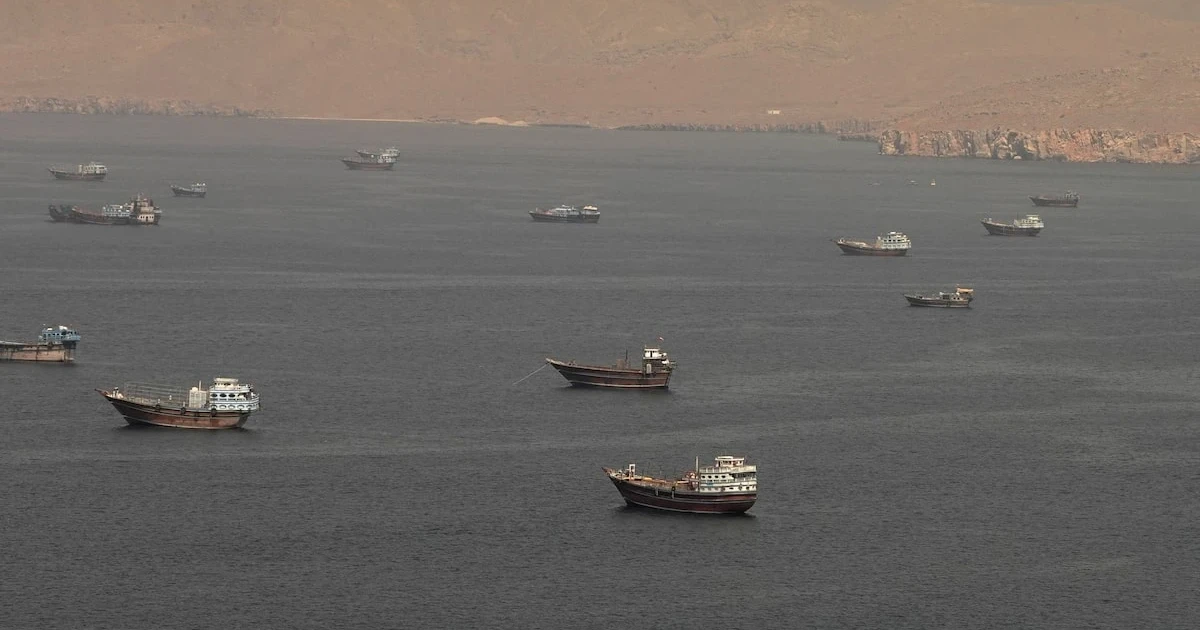
The Strait of Hormuz could reopen on Friday under the U.S.-Iran interim deal, releasing millions of barrels stranded in the Middle East Gulf back into global markets. Middle Eastern crude prices came under fresh pressure as that prospect grew.
The EIA puts oil flow through the strait at an average 20 million barrels per day in 2024, equal to about 20% of global petroleum liquids consumption. Very few alternative routes exist if the passage is closed. Since the end of February 2026, tanker-tracking data through the strait have been especially unreliable because AIS signals have become difficult to trust, forcing frequent revisions to 2026 volume estimates.

Brent crude reached $94 per barrel on March 9, about 50% above the start of the year, after shipments through Hormuz fell and some Middle East production was shut in. By April, the EIA estimated that Iraq, Saudi Arabia, Kuwait, the United Arab Emirates, Qatar and Bahrain had collectively shut in 7.5 million barrels per day of crude in March, then 10.5 million barrels per day in April. In June, Middle Eastern producers were still reducing crude output by more than 11 million barrels per day from pre-conflict levels.
The EIA projected that global inventories would fall by an average of 6.3 million barrels per day in the second quarter of 2026 and 7.6 million barrels per day in the third quarter under its assumptions. Brent had already fallen below the low-$80s in mid-June as traders priced in a reopening of shipping lanes and a possible revival in supply. Asian refiners had also secured crude for June through August, limiting new buying in the near term and adding to downward pressure on prices.
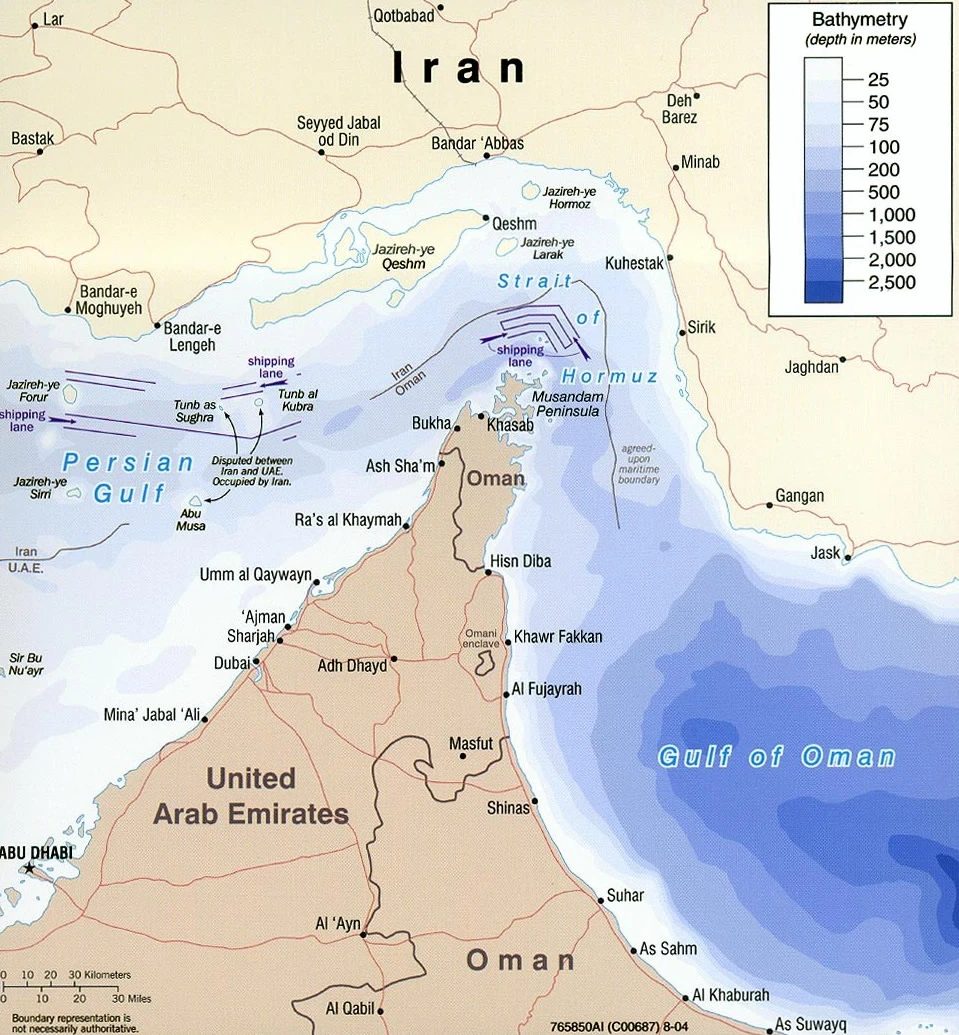
Analysts at two banks said a recovery in oil flows through Hormuz and regional production would likely take several months. On June 9, the EIA said lower oil demand, high fuel prices, reduced fuel availability and government initiatives were already curbing consumption, especially in Asia.
Sources
- [1]nytimes.com
- [2]internazionale.it
- [3]msn.com
- [4]eia.gov