World
Strait of Hormuz reopening may not restore prewar energy trade
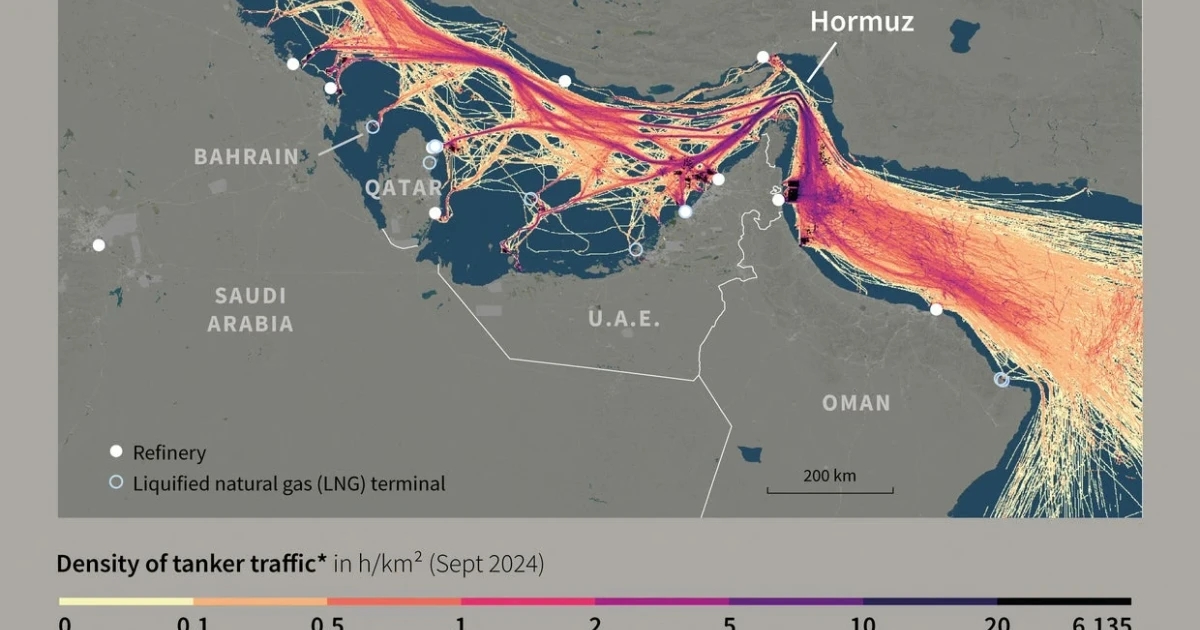
The Strait of Hormuz may reopen within the next day or two, but the return of tanker traffic would not restore the old market. Donald Trump said a deal to end the war would be signed on Sunday and the waterway would open immediately after; later reporting pointed to a signing in Geneva, Switzerland and the possibility that oil could start moving again as early as June 19. Even so, shipping companies remain wary after the fighting turned the strait into the largest supply disruption in the history of the global oil market.
That caution is rooted in the strait’s scale. Hormuz is the primary export route for oil from Saudi Arabia, the United Arab Emirates, Kuwait, Qatar, Iraq, Bahrain and Iran. It also carries about 93% of Qatar’s LNG exports and 96% of the UAE’s LNG exports, equal to 19% of global LNG trade. In normal conditions, the U.S. Energy Information Administration says oil flows through the corridor average about 20 million barrels per day, roughly one-fifth of global petroleum liquids consumption.
The disruption has already left a measurable scar on supply. The International Energy Agency said the 2026 Middle East war caused the largest supply disruption in the history of the global oil market, with crude and product flows falling from around 20 million barrels per day before the war to a trickle. The agency said Gulf countries cut total oil production by at least 10 million barrels per day, while the Energy Information Administration estimated that Iraq, Saudi Arabia, Kuwait, the UAE, Qatar and Bahrain collectively shut in 7.5 million barrels per day of crude production in March. The EIA also said flows through Hormuz fell almost 30% year over year to 14.6 million barrels per day in the first quarter of 2026.
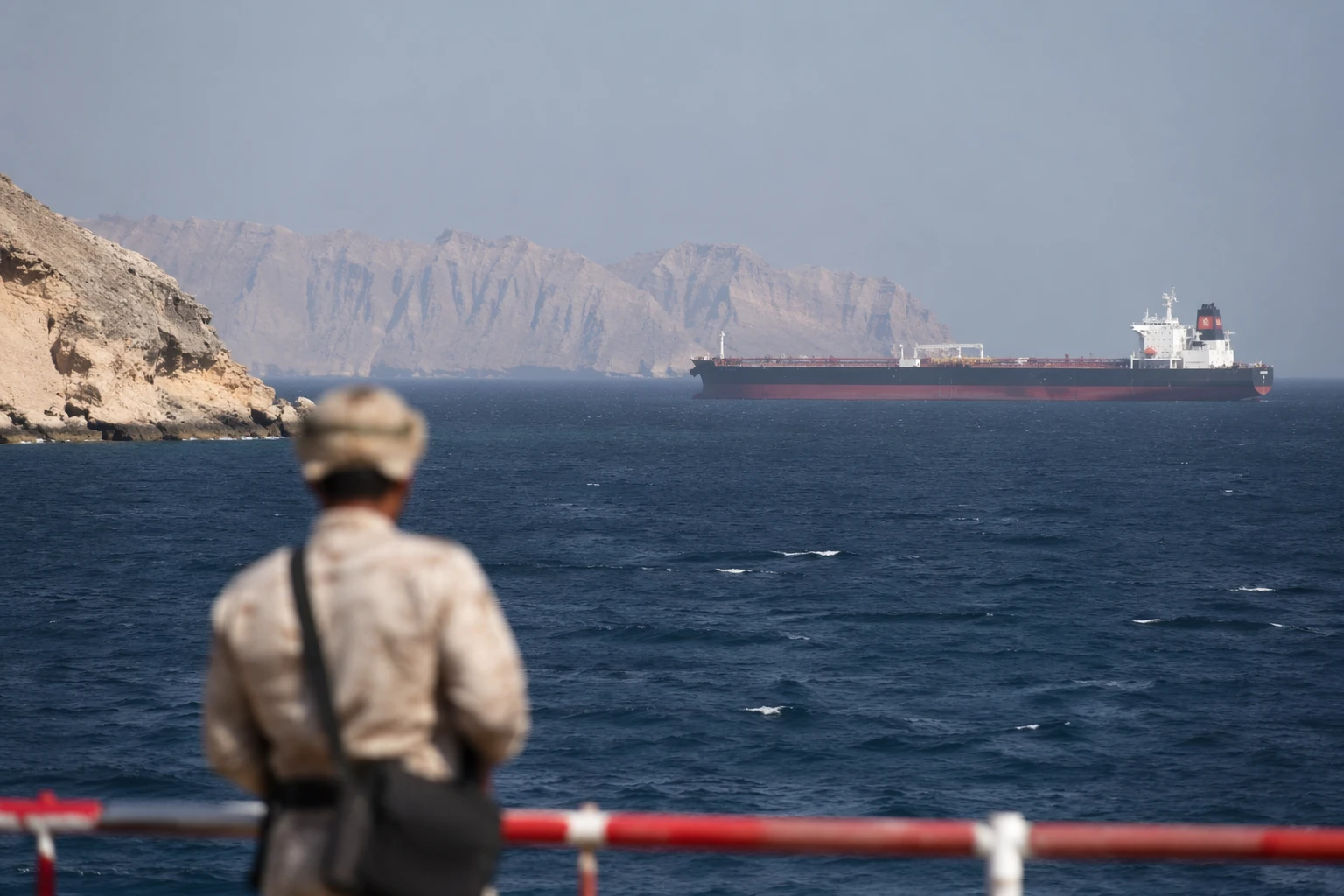
That is why reopening the channel does not mean a return to prewar trade patterns. Analysts say tanker traffic could rebound quickly, but it is unclear whether transits will climb all the way back to previous levels, and insurers are likely to keep pricing in the risk of renewed disruption. Richard Goldberg, a former Trump administration National Security Council official, called Hormuz a “diminishing asset,” pointing to Gulf investment in alternative pipelines and other chokepoint-avoiding infrastructure.
The effects spread well beyond crude cargoes. UNCTAD says the disruption ripples through energy, fertilizers, global trade and development, widening the cost for importers and consumers far from the Persian Gulf. If the strait reopens, the fastest adapters will be producers with bypass routes, shippers able to reroute and insure vessels, and importers already diversifying supply. The longer-term bill will fall on countries and communities that cannot escape the new risk premium baked into moving energy through one narrow waterway.
Sources
- [1]cbsnews.com
- [2]iea.org
- [3]eia.gov
- [4]unctad.org
- [5]semafor.com
- [6]cnbc.com
- [7]nytimes.com
- [8]politico.com
- [9]abcnews.com