World
Strait of Hormuz reopening remains slow after U.S.-Iran deal
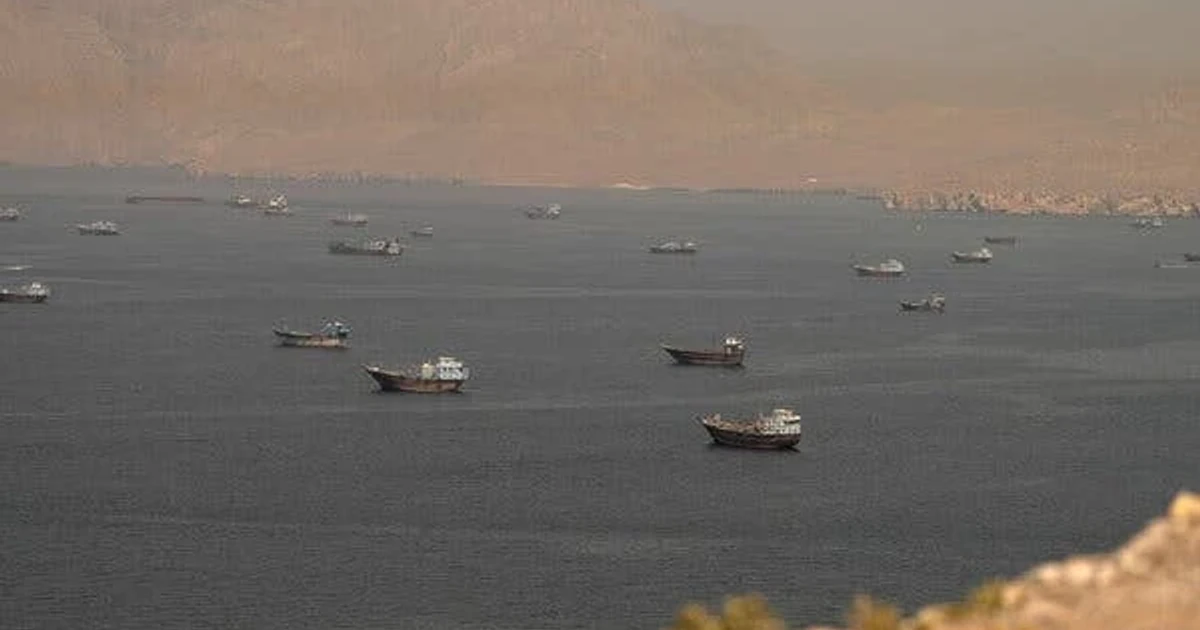
The Strait of Hormuz has reopened on paper, but commercial traffic is still moving in fits and starts, showing how little a diplomatic breakthrough has yet changed the market’s risk calculus. Before the war, about 120 to 140 ships crossed the waterway each day, carrying traffic tied to a route that handles about one-fifth of the world’s petroleum and liquefied natural gas.
Since the preliminary U.S.-Iran deal was announced, only a handful of ships have passed through on some days, and more than 550 vessels were reported stranded on either side of the strait waiting to transit. On June 18, marine tracking data showed 26 vessels crossing, 7 inbound and 19 outbound, with outbound traffic rising 46% from the previous day. That is a sharp improvement from the near standstill, but still far below the normal flow that once moved through the channel every day.
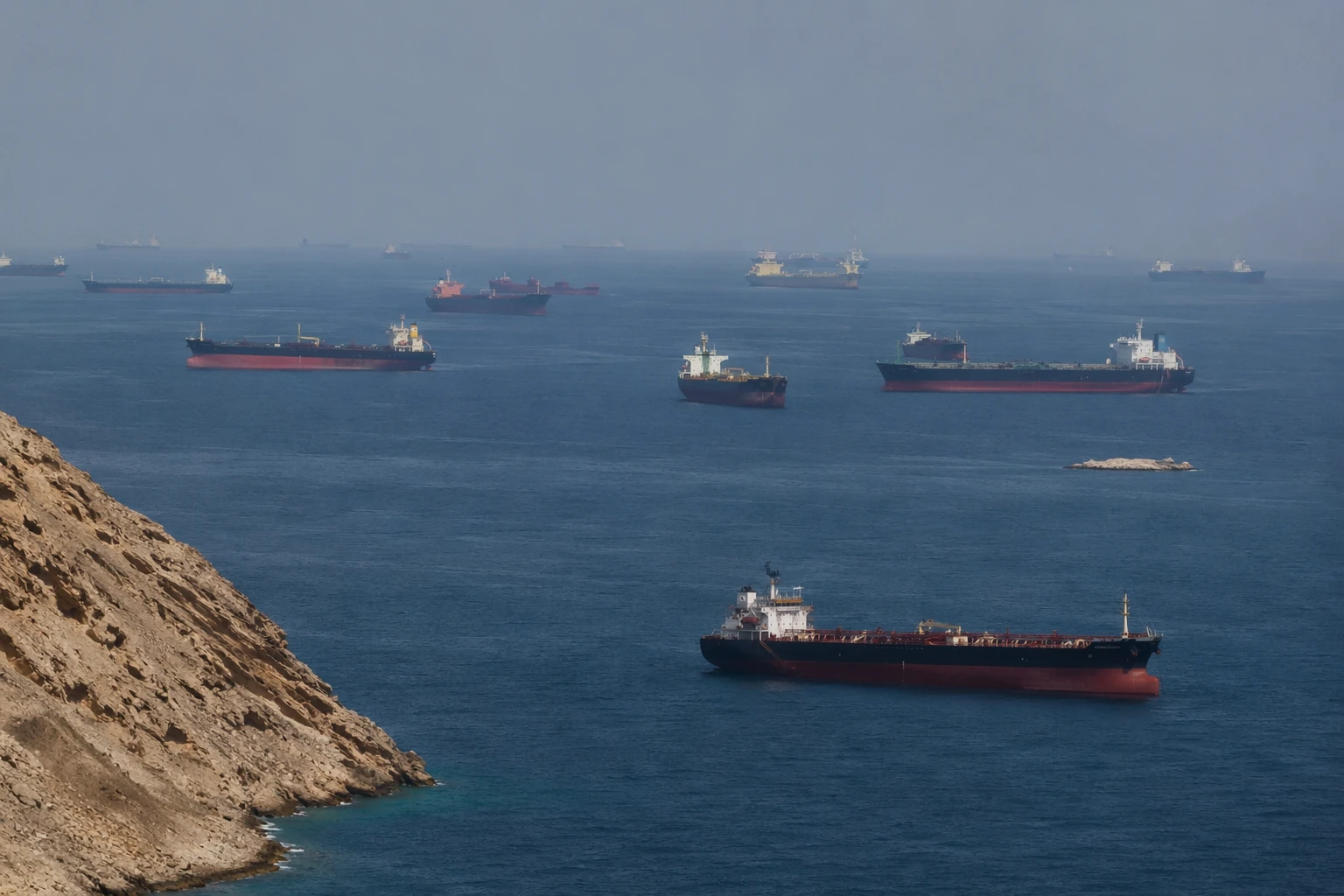
The United States and Iran signed a memorandum of understanding on June 15, 2026, calling for immediate reopening of the Strait of Hormuz without tolls by Iran for at least 60 days. Even so, industry participants said the practical reset remains blocked by unresolved questions over prior permission, possible service charges, foreign naval escorts and whether mine-clearing or other residual security checks are needed before ships can move freely again. Iran has said transits must still be coordinated with the Islamic Revolutionary Guard Corps and routed close to its coast, while the U.S. has said the agreement should allow unrestricted movement of shipping.
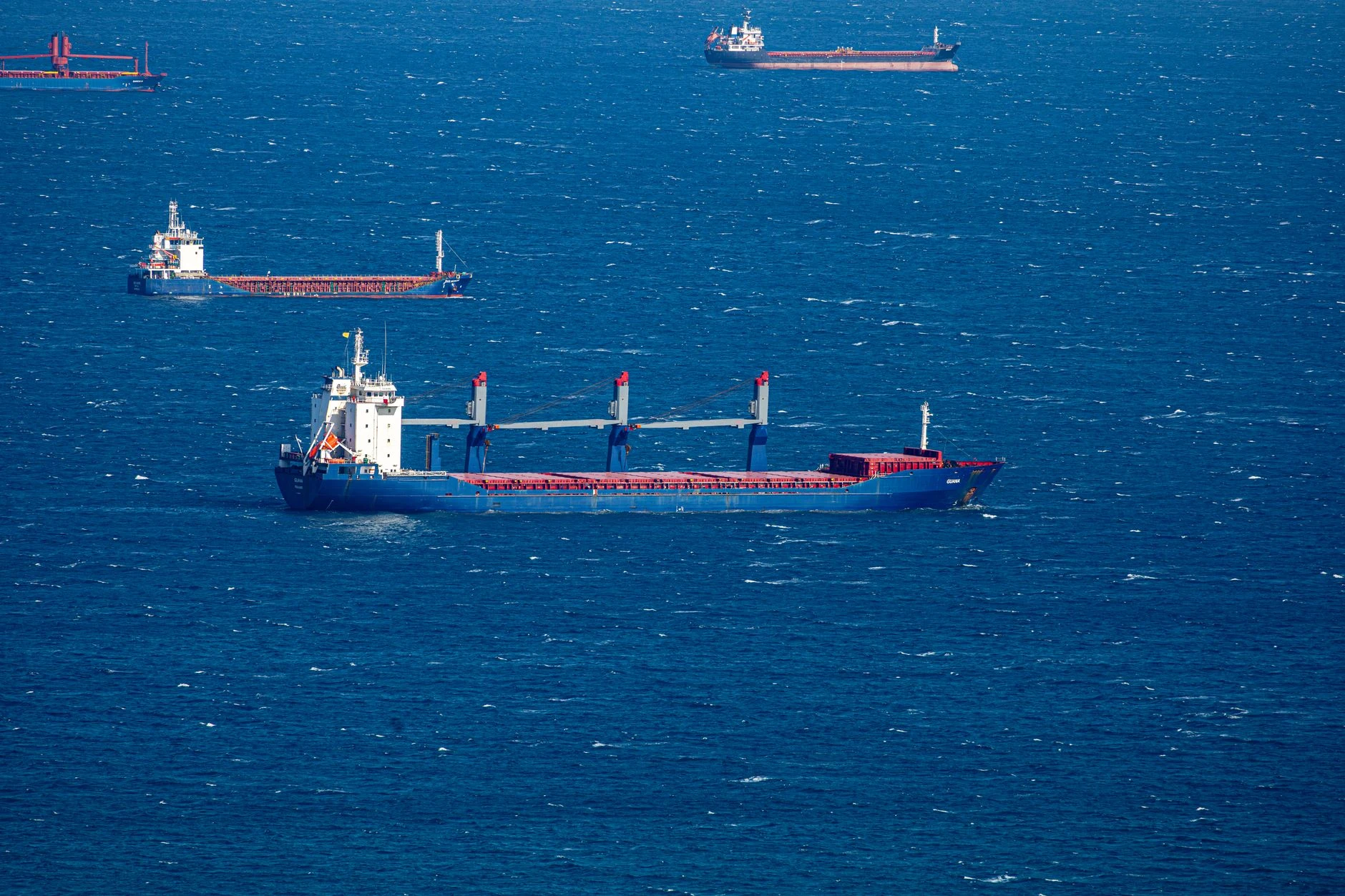
Shipping companies and insurers have responded cautiously, and Lloyd’s List Intelligence said there is no precedent for restarting Hormuz after a disruption of this scale. Analysts said traffic may take weeks to normalize, while some warned that a full return to prewar flows could take months and might not come until the end of 2026 or even 2027. The backlog of idle ships, damaged port infrastructure and lingering security fears have kept the recovery uneven.
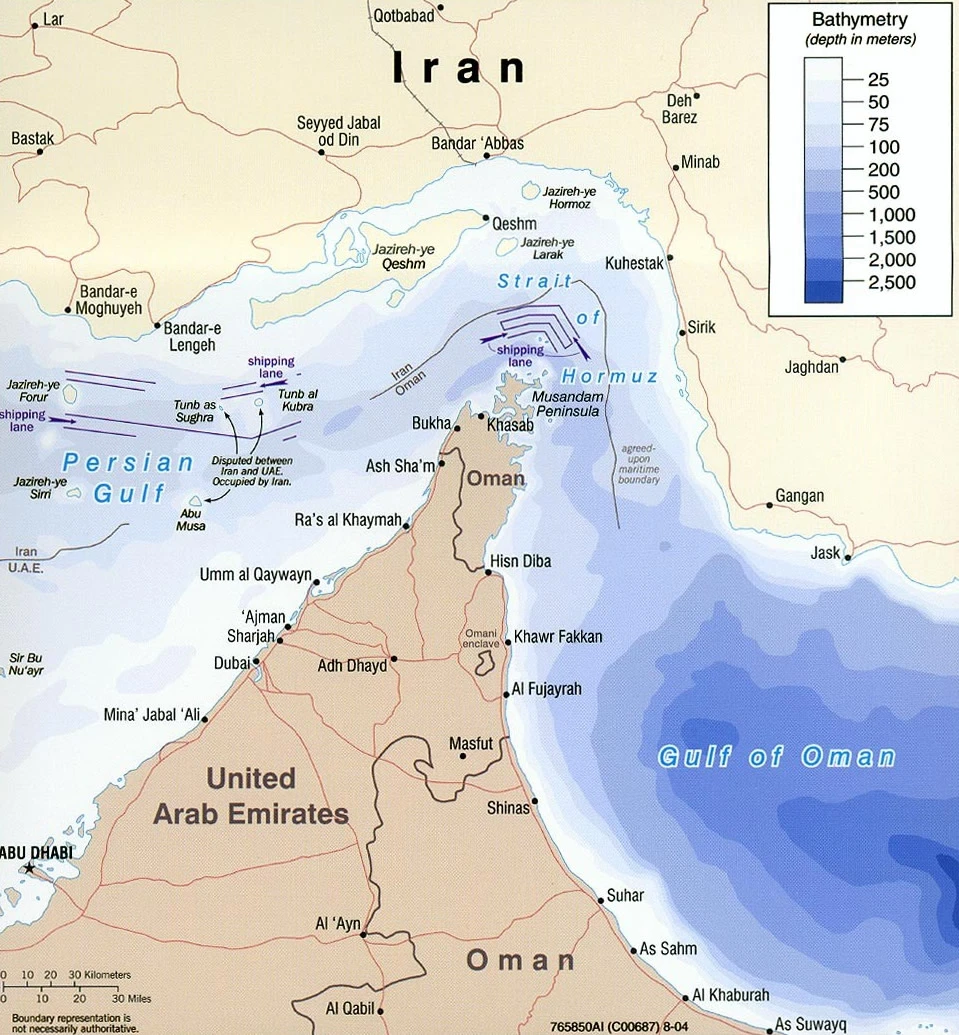
For energy markets, that lag matters as much as the deal itself. The strait remains a critical chokepoint for oil and gas moving out of the Persian Gulf, and every delay in restoring normal passage keeps pressure on global prices and leaves supply chains vulnerable to another disruption.
Sources
- [1]nytimes.com
- [2]cnbc.com
- [3]aljazeera.com
- [4]commonslibrary.parliament.uk
- [5]usnews.com
- [6]insights.windward.ai