US News
Strait of Hormuz Reopens as Israel-Lebanon Ceasefire Holds
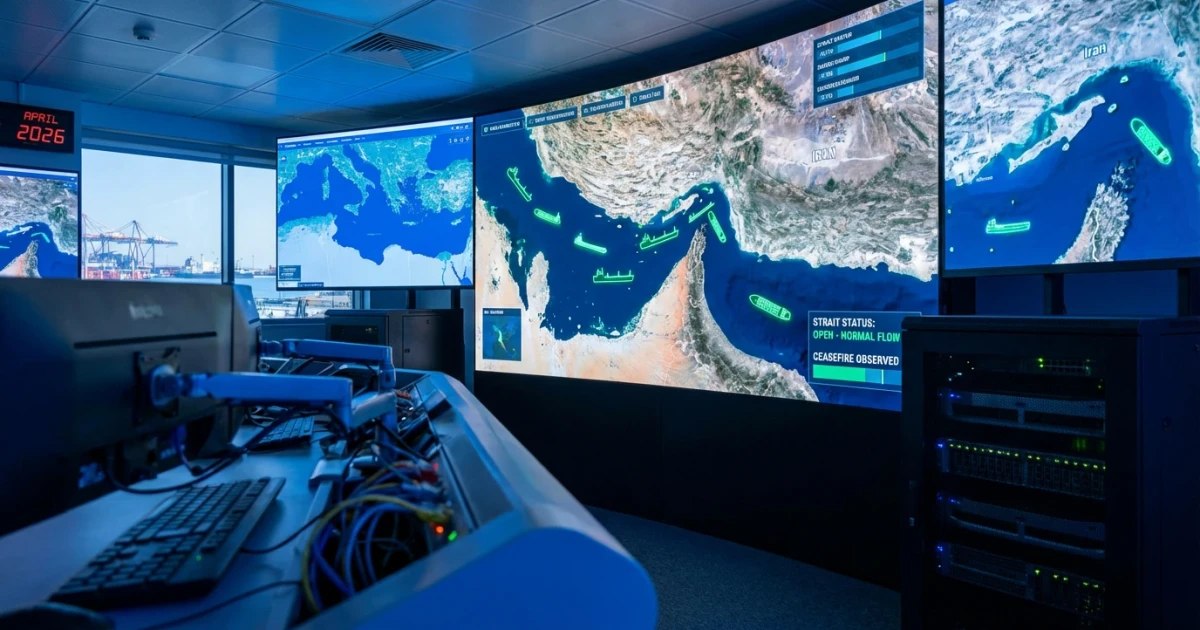
The Strait of Hormuz, a vital maritime chokepoint for global oil trade, has been declared "completely open" to all vessels by Iranian officials, according to CBS News. The announcement comes just a day after reports that Iranian authorities had kept the waterway gridlocked, coinciding with the implementation of a ceasefire between Israel and Lebanon.
Maritime Traffic Resumes Following Gridlock
On April 16, CBS News reported that the Strait of Hormuz remained restricted as the Israel-Lebanon ceasefire took effect. This gridlock had raised global concerns, as the strait serves as the only sea passage from the Persian Gulf to the open ocean, making it critical for the transport of nearly one-fifth of the world’s traded oil.
- Iran had initially maintained a hold on vessel movement, affecting both commercial and energy shipments.
- The blockade coincided with regional tensions, particularly as the ceasefire between Israel and Lebanon was established.
By April 17, CBS News confirmed Iran had reopened the strait, stating it was "completely open" to all ships. This shift marked a significant de-escalation, restoring crucial maritime flows between the Persian Gulf and global markets.
Global Energy Markets Respond
The reopening of the Strait of Hormuz is expected to stabilize energy markets, which had been rattled by concerns over potential supply disruptions. According to the U.S. Energy Information Administration, millions of barrels of oil transit the strait daily, underscoring its strategic importance for both exporting countries and importing nations worldwide.
- Maritime analytics from UNCTADstat regularly highlight the high volume of tanker traffic passing through the region.
- Real-time data from MarineTraffic showed shipping delays during the gridlock, with vessels anchored or rerouted outside the strait.
Political Reactions and International Scrutiny
Iran’s decision to reopen the strait coincided with ongoing diplomatic efforts to maintain the Israel-Lebanon ceasefire. CBS News noted that while Tehran asserted the strait was now open to all ships, statements from U.S. officials indicated ongoing scrutiny regarding the movement of Iranian vessels in particular. Former President Donald Trump, for example, was cited as saying that a blockade on Iranian ships and ports would remain in effect, highlighting continued geopolitical tension even after the maritime reopening.
International organizations, including the UN Security Council, have monitored the situation closely, given the strait’s importance for freedom of navigation under international law. The recent developments have underscored the delicate balance between regional security dynamics and global economic stability.
Looking Ahead
While the reopening of the Strait of Hormuz has alleviated immediate concerns, analysts caution that the episode demonstrates the region’s ongoing volatility. The restoration of normal maritime traffic is a relief for energy markets and trading partners, but future disruptions remain a possibility as regional tensions persist.
For shippers, energy firms, and governments, the events of this week reinforce the critical role of the Strait of Hormuz in global commerce and the need for continued diplomatic engagement to ensure its security and stability. Readers can explore further analysis on the strait’s strategic significance here.