US News
Strait of Hormuz Standoff Heightens Tensions as U.S. Issues Warning
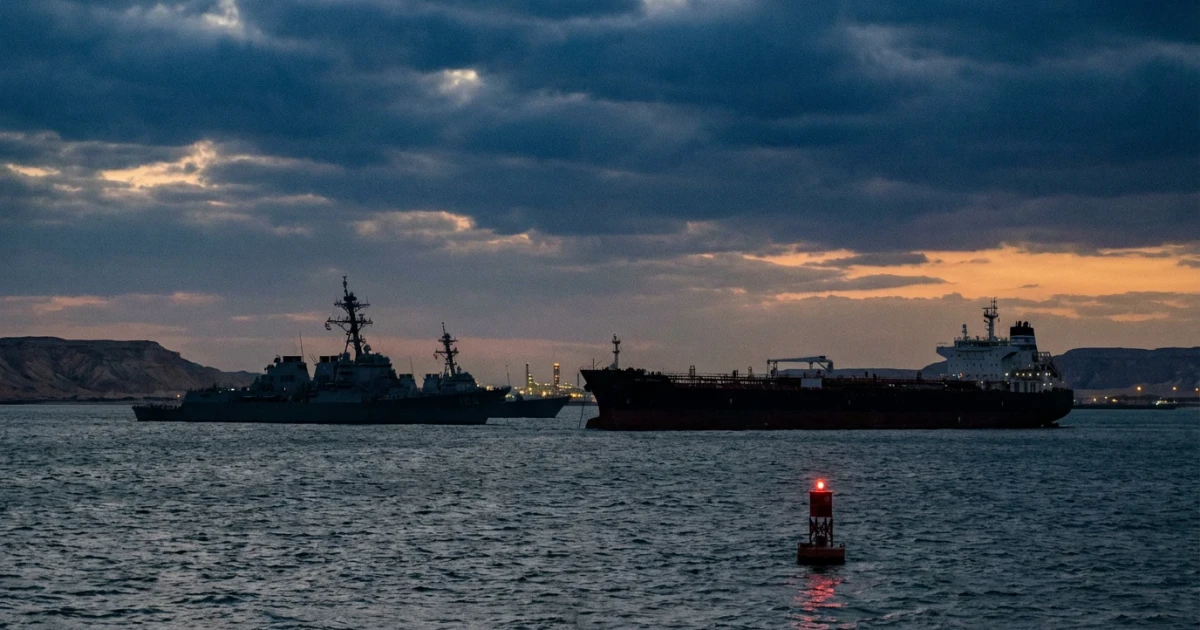
Rising tensions in the Middle East continue to grip international attention as the strategic Strait of Hormuz remains closed, disrupting global shipping and energy supply routes. The situation has prompted a stern warning from U.S. Senator JD Vance, who cautioned Iran against leveraging the crisis in ongoing peace negotiations.
Senator Vance Warns Against Strategic Manipulation
During live updates on Wednesday, Senator JD Vance addressed Iran directly, urging its leaders not to attempt to exploit the current standoff for diplomatic advantage. Vance stated that the U.S. would not tolerate efforts by Tehran to "play" American interests during peace talks, signaling a tough stance as negotiations remain fraught. The Wall Street Journal reported that Vance’s comments reflect growing concern in Washington over Iran’s intentions in the region.
Strait of Hormuz Closure and Its Global Impact
The Strait of Hormuz is one of the world’s most important maritime chokepoints, with approximately 20% of global petroleum liquids passing through its narrow waters each day, according to the U.S. Energy Information Administration. The closure has already caused significant disruptions:
- Oil prices have spiked sharply in response to uncertainties over supply.
- Major shipping companies are rerouting vessels or delaying cargoes bound for key Asian, European, and American markets, as shown in UNCTAD maritime transport data.
- Insurance premiums for vessels transiting the region have surged.
According to an OECD analysis, any prolonged disruption in the strait could have severe consequences for global energy security and economic stability.
Security and Military Dynamics
The closure comes amid heightened military activity in the Persian Gulf. Iran’s naval forces, described in detail by the Council on Foreign Relations, have increased their patrols and exercises, while the U.S. and allied navies maintain a presence to deter further escalation. The International Maritime Organization’s maritime security guidance highlights the risks of accidental clashes or misunderstandings in such a tense environment.
Diplomatic Efforts and Policy Responses
Diplomatic channels remain open, with both sides under pressure to resolve the impasse. The U.S. has reiterated its commitment to protecting international shipping lanes and supporting allies in the region. Meanwhile, Iran has called for a reduction in sanctions and recognition of its security concerns. The UN Security Council’s sanctions records provide context for Tehran’s negotiating position and its demands for relief.
Ongoing Uncertainty
While Senator Vance’s warning underscores the stakes for both sides, the path forward remains uncertain. Analysts agree that further escalation could destabilize energy markets and threaten maritime security, while a diplomatic breakthrough could restore normalcy to one of the world’s most vital waterways.
For now, the world watches closely as negotiations continue and the closure of the Strait of Hormuz tests the resolve and strategies of both Iran and the United States.