World
Strait of Hormuz tensions threaten global oil and shipping flows
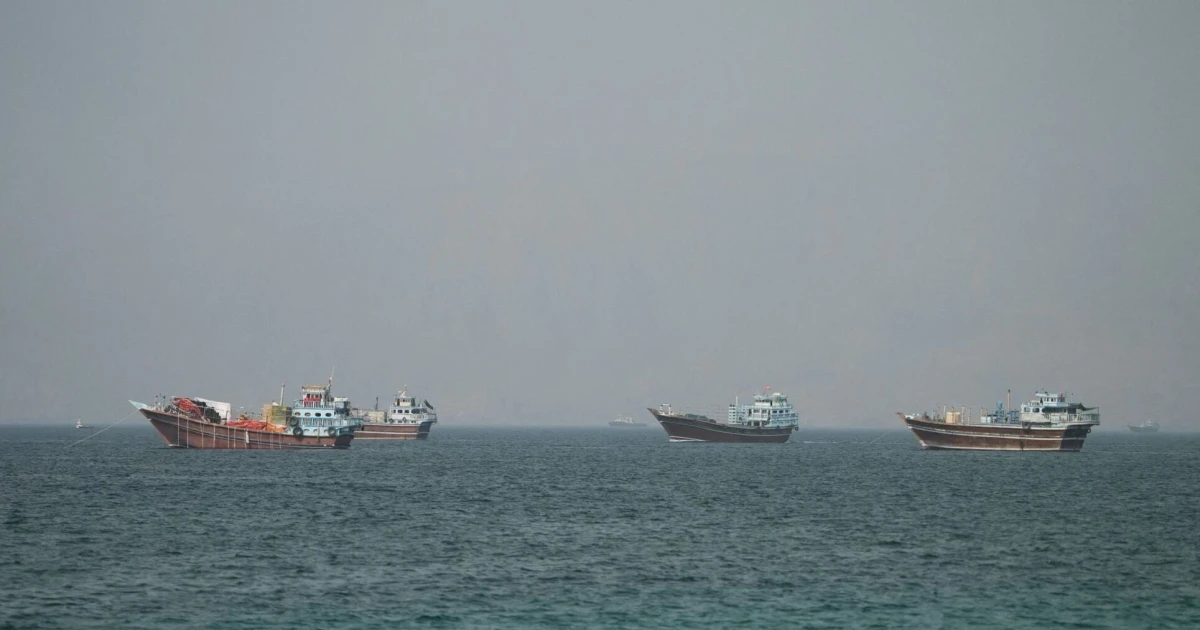
The U.N. shipping agency paused its evacuation operation in the Strait of Hormuz after a vessel was attacked near Oman. By the morning of June 25, 57 ships carrying an estimated 1,100 seafarers had already moved under the evacuation plan, but the pause put fresh pressure on a waterway that has already pushed Brent crude higher, from $69 a barrel on June 12 to $74 on June 13.
It is the main artery for oil and gas leaving the Persian Gulf, and even a temporary disruption can filter into gasoline prices, freight costs and inflation. In 2024, about 20 million barrels a day passed through the strait, roughly 20% of global petroleum liquids consumption. In the first half of 2025, flows averaged 20.9 million barrels a day, about one-quarter of global maritime oil trade. About 20% of the world’s liquefied natural gas trade also moved through Hormuz in 2024, largely from Qatar.
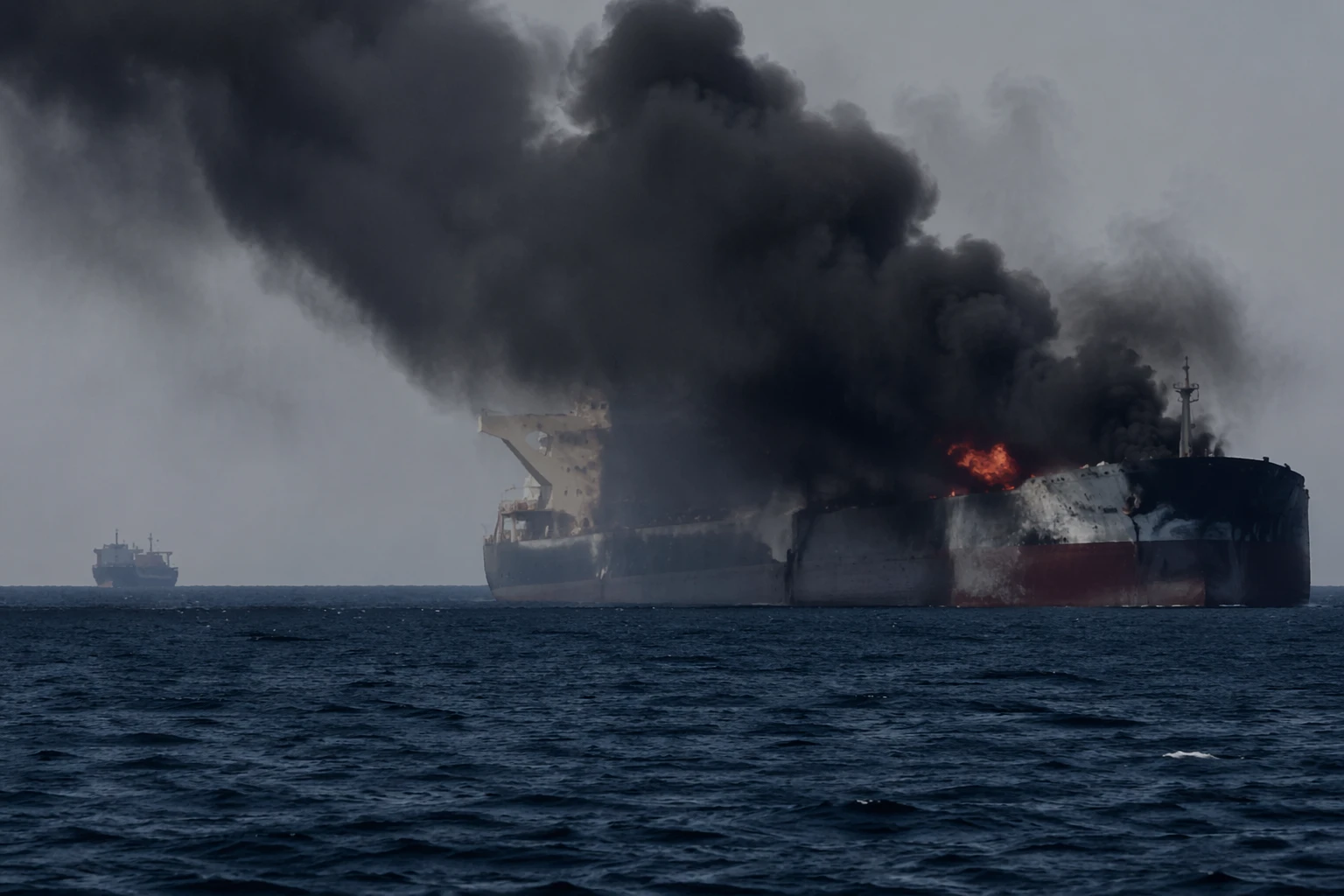
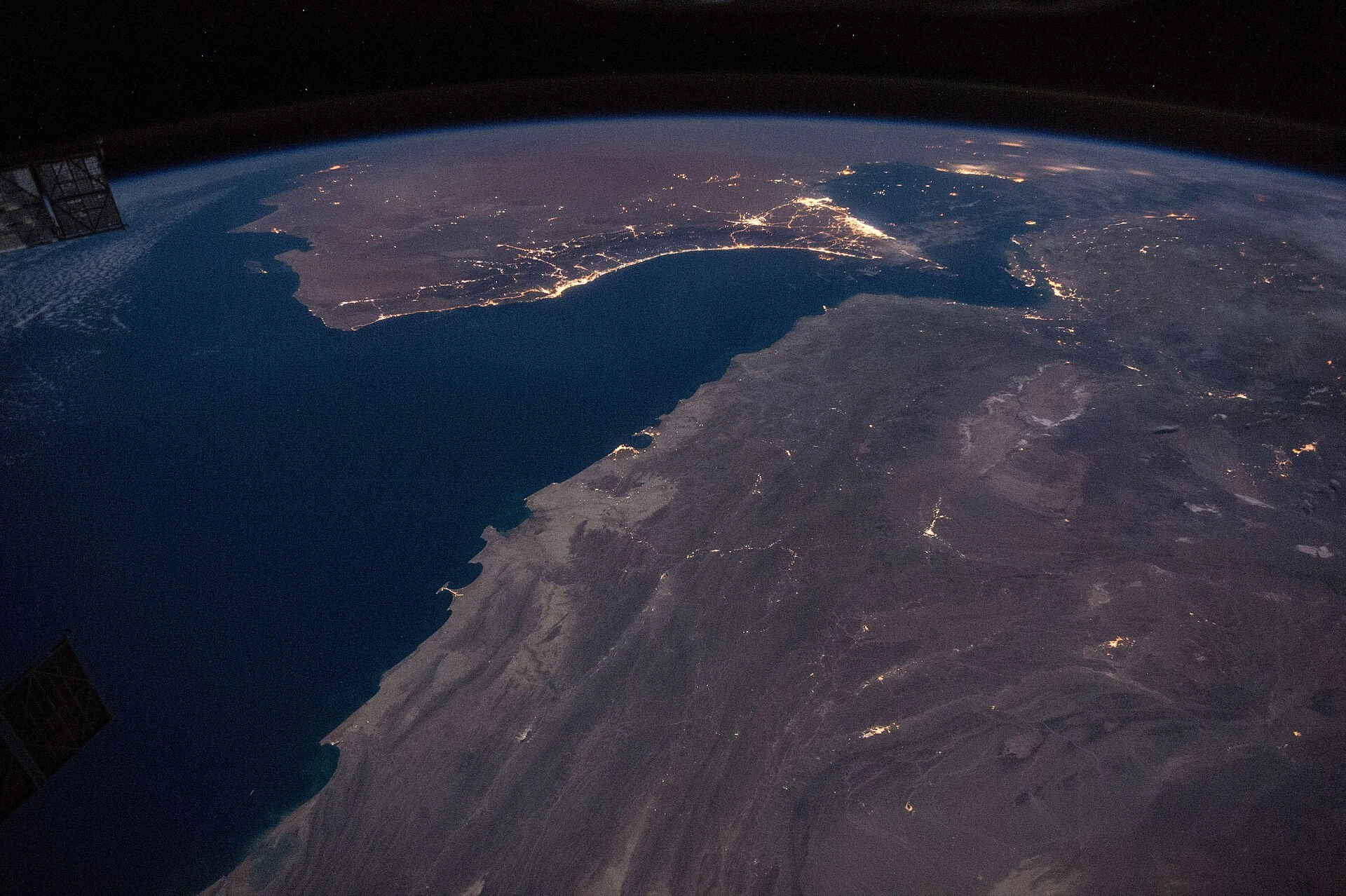
The waterway is vulnerable because geography leaves little room for error. The Strait of Hormuz links the Persian Gulf with the Gulf of Oman and the Arabian Sea. At its narrowest point, it is 21 miles wide, but the shipping lane is only two miles wide in each direction, with a two-mile buffer zone between them. If traffic is blocked or slowed, there are few practical detours. Saudi Arabia and the United Arab Emirates have limited pipeline capacity that can bypass the strait, but not enough to replace the full volume of oil and gas that normally moves through it.
Allianz Commercial estimates about $125 billion in vessels and cargo are stranded in the Persian Gulf because of the disruption. War-risk insurance premiums, once about 0.25% of a vessel’s value, have surged to an estimated 3% to 8%, a cost jump that can quickly show up in shipping rates and consumer prices. Shipping companies and insurers are waiting for clearer signs that the route is safe before treating the corridor as normal again.
Sources
- [1]nytimes.com
- [2]eia.gov
- [3]imo.org
- [4]usnews.com
- [5]insurancebusinessmag.com
- [6]insurancejournal.com