World
Strait of Malacca offers model for Hormuz fee collection, but differences loom
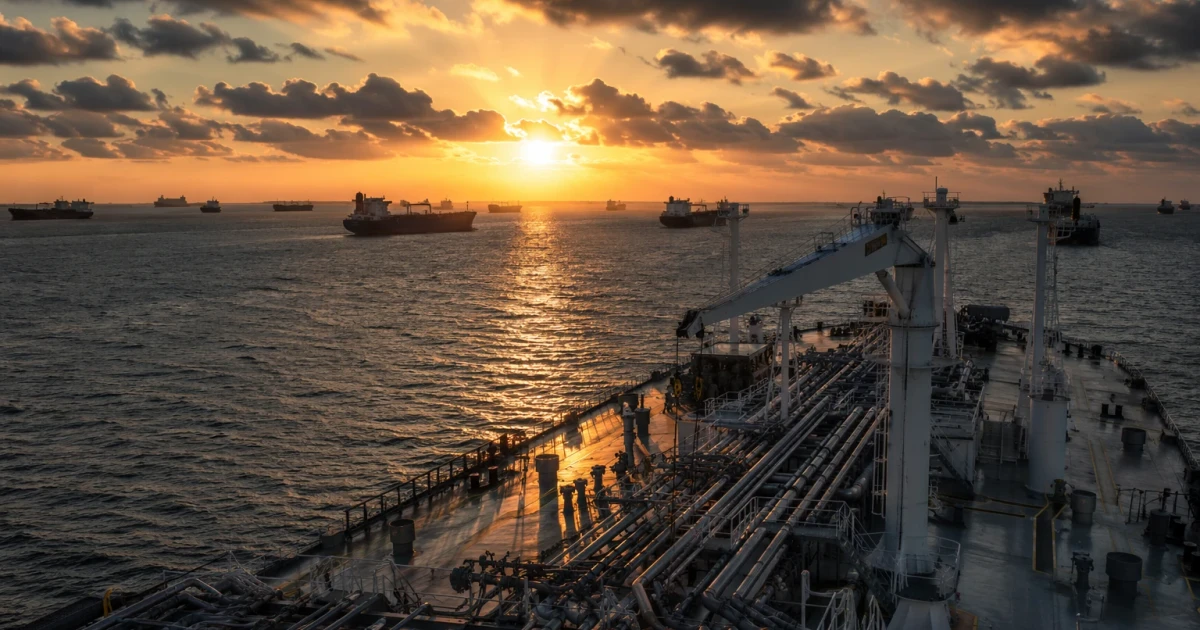
The Straits of Malacca and Singapore reached a record 94,301 ship transits in 2024, and 2025 traffic rose above 102,500 ships. That makes them an obvious comparison point for any plan to monitor, manage or monetize a crowded shipping lane. The comparison breaks down fast at the Strait of Hormuz, where the traffic mix is dominated by crude oil, LNG and military signaling, not just container ships and coastal reporting rules.
Why Malacca looks like the easy model
It is one of the world’s busiest maritime chokepoints, carries more than a fifth of global seaborne trade, and already runs through a structured reporting regime, with estimates putting its share at about 22 percent.
The International Maritime Organization adopted STRAITREP for the Straits of Malacca and Singapore, and it came into force on 1 December 1998. The system is mandatory for vessels of 300 gross tonnage and above transiting the operational area or entering and leaving Malaysian ports and anchorages, which gives the littoral states a common traffic picture before ships ever reach a pilotage point or anchorage.
Vessels in Singapore port waters report through STRAITREP and its Vessel Traffic Information System, and the Singapore Strait and port waters are among the busiest in the world. Malaysia’s marine authorities layer on AIS, LRIT, GMDSS, NAVTEX and vessel traffic services. It is not a toll booth in the classic sense, but a tightly managed corridor built around STRAITREP, vessel traffic information, AIS, LRIT, GMDSS, NAVTEX and vessel traffic services.
Hormuz is a different kind of chokepoint
The Strait of Hormuz is the world’s most important oil chokepoint, linking the Persian Gulf to the Gulf of Oman and the Arabian Sea, and the stakes there are measured first in barrels, not vessel counts. The U.S. Energy Information Administration put 2024 flows at about 20 million barrels per day, equal to about one-fifth of global petroleum liquids consumption and more than one-quarter of global seaborne oil trade.
The International Energy Agency puts the number at roughly 25 percent of world seaborne oil trade and says about 80 percent of that oil is destined for Asia. The route feeds the refinery systems of China, India, Japan, South Korea and other major importers that have limited near-term substitutes. Around one-fifth of global LNG trade transited Hormuz in 2024, the EIA estimates, and Qatar’s and the UAE’s LNG exports are heavily dependent on the route.
Malacca is a shared passage with long-standing cooperation among Indonesia, Malaysia and Singapore. Hormuz is a strategically contested corridor where the flow of hydrocarbons is inseparable from security pressure, sanctions risk and the possibility of direct confrontation.
Legal rules are not interchangeable
In Malacca, the reporting regime was built through multilateral agreement and operational cooperation. In Hormuz, any scheme for fees or "voluntary" charges would have to survive a far more hostile political environment, with questions over who has the authority to collect, who has the authority to enforce, and whether a charge starts to look like interference with transit passage.
Oman is trying to preserve a maritime security arrangement that could open a new revenue stream while staying within international maritime law, but the United States and other market participants have objected. The discussion has also been linked to post-war talks after U.S.-Iran conflict, which makes the idea feel less like a shipping administration project and more like a bargaining chip in a broader regional settlement.
Iran has separately warned oil tankers to use approved routes in Hormuz or face a "forceful response."
What the market would price differently
For oil buyers, the main difference is not abstract geopolitics but the cost of interruption. A Malacca-style arrangement suggests predictability: ships report, authorities monitor, and traffic keeps moving. Hormuz introduces the possibility of sudden escalation, tanker delays, rerouting and higher war-risk premiums. Even if a fee proposal were framed as "voluntary," traders would still have to price the risk that a payment system could morph into a leverage point during a crisis.
The strait also carries helium, fertilizers and industrial products, so disruption would ripple through manufacturing and food supply chains as well as energy markets. The IEA estimates 3.5 million to 5.5 million barrels per day of pipeline capacity could potentially bypass Hormuz, but that is still far short of the roughly 20 million barrels per day that moved through the strait in 2024. In a sustained shock, spare pipeline capacity would cushion only part of the blow.
Insurance would likely respond before physical flows did. War-risk coverage, cargo premiums and charter rates would all adjust to the possibility that a payment dispute, a naval incident or an Iranian enforcement warning could interrupt transit.
Why Singapore’s rejection still matters
The Malacca analogy has also reopened an older regional argument about whether any transit fee could be imposed there at all. Singapore’s foreign minister, Vivian Balakrishnan, has rejected any attempt to close, interdict or impose tolls on the route, saying the right of transit passage is guaranteed and that Singapore would not participate in such efforts. Malaysia, Indonesia and Singapore have long cooperated to keep the waterway open, and any toll scheme there would require agreement among all three.
Malacca works as a model only where states share a stable traffic regime, a common interest in uninterrupted flow and an enforcement system built around safety rather than leverage. Hormuz has the opposite profile: a heavily militarized conduit and a concentration of global oil and LNG flows.
Sources
- [1]nytimes.com
- [2]mpa.gov.sg
- [3]marine21.marine.gov.my
- [4]marine.gov.my
- [5]eia.gov
- [6]iea.org
- [7]congress.gov
- [8]straitstimes.com
- [9]apnews.com