Politics
Streeting warns Labour leadership race could become costly pledge auction
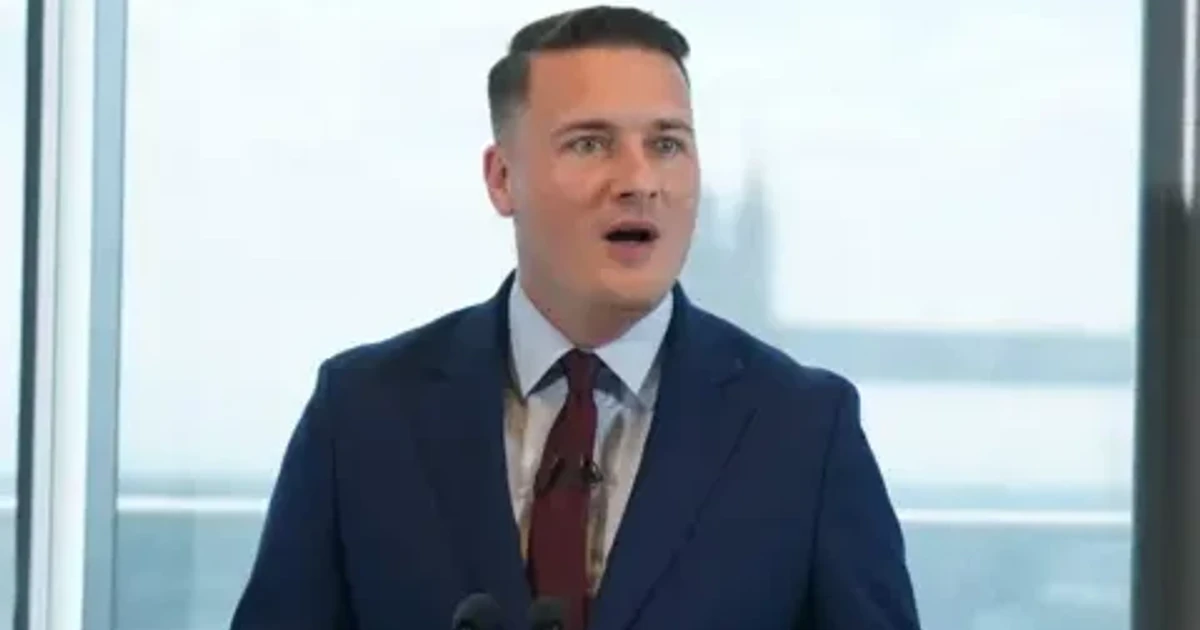
Wes Streeting used a speech in Tower Bridge, London, to warn that Labour’s next leadership contest could be driven by “a Dutch auction of the most expensive and popular pledges” rather than the sort of fiscal discipline he says voters will demand. The former health secretary said he would not make promises in a leadership election that he would later reverse, casting the argument as one about public finances, bond markets and whether Labour can be trusted to govern without overreach.
His intervention lands at a moment of open strain inside the party. Labour’s poor local-election results have intensified the leadership conversation, while a by-election in Makerfield on Thursday 18 June 2026 could hand Andy Burnham a route back into Parliament and, potentially, a challenge to Sir Keir Starmer. Labour MP Josh Simons resigned his seat to create the vacancy, and Labour’s National Executive Committee later certified Burnham as the party’s candidate. Burnham has already said he would challenge Starmer if he wins.
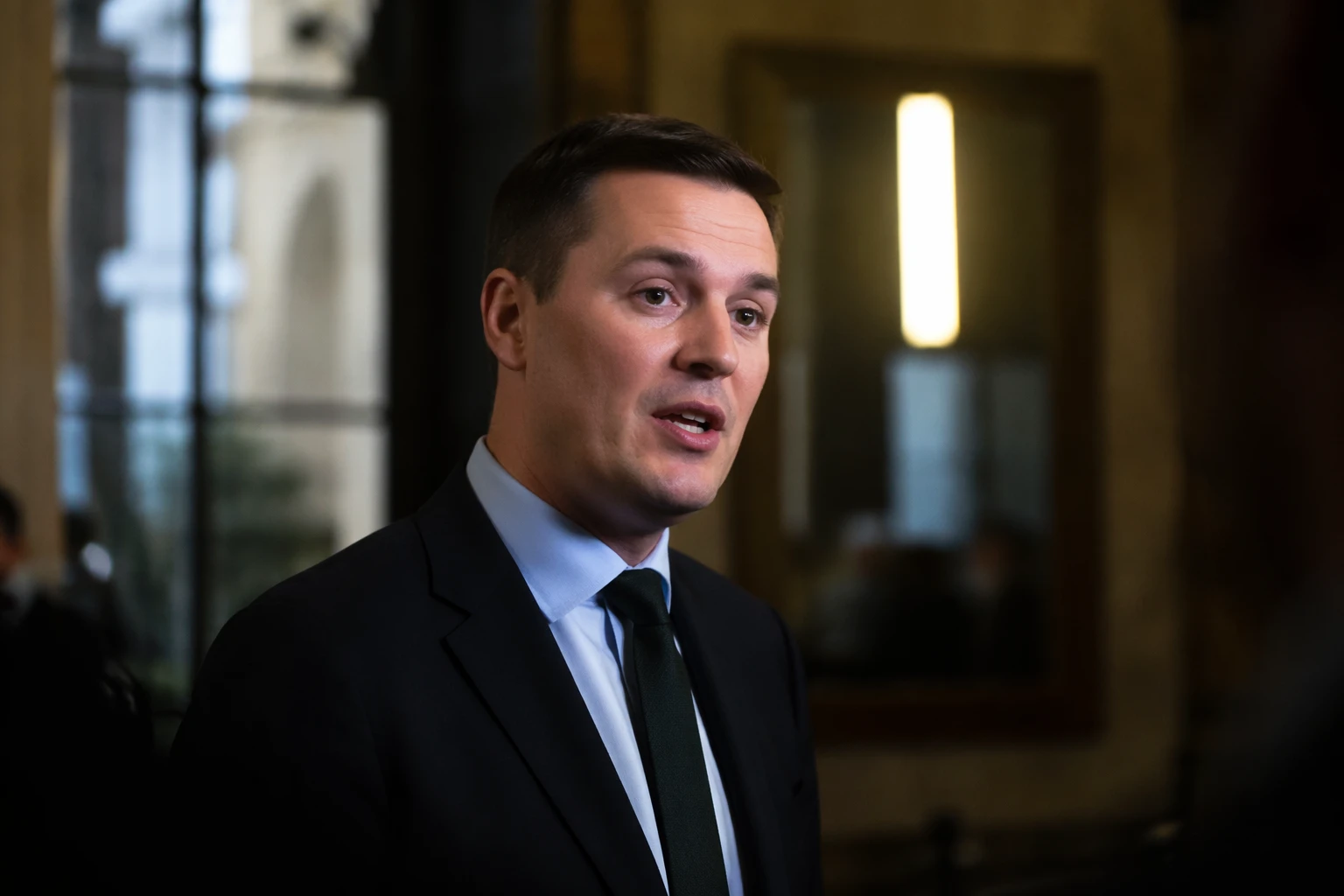
Streeting’s remarks also sharpen attention on his own political positioning after he resigned as health secretary on 14 May 2026. On 21 May 2026, he backed what he called a “wealth tax that works” by proposing to equalise capital gains tax with income tax, arguing that the current system is unfair and penalises work. He said the package could raise up to £12 billion a year and should be paired with lower capital gains tax rates for genuine entrepreneurs, alongside tighter rules to stop income being disguised as capital gains.
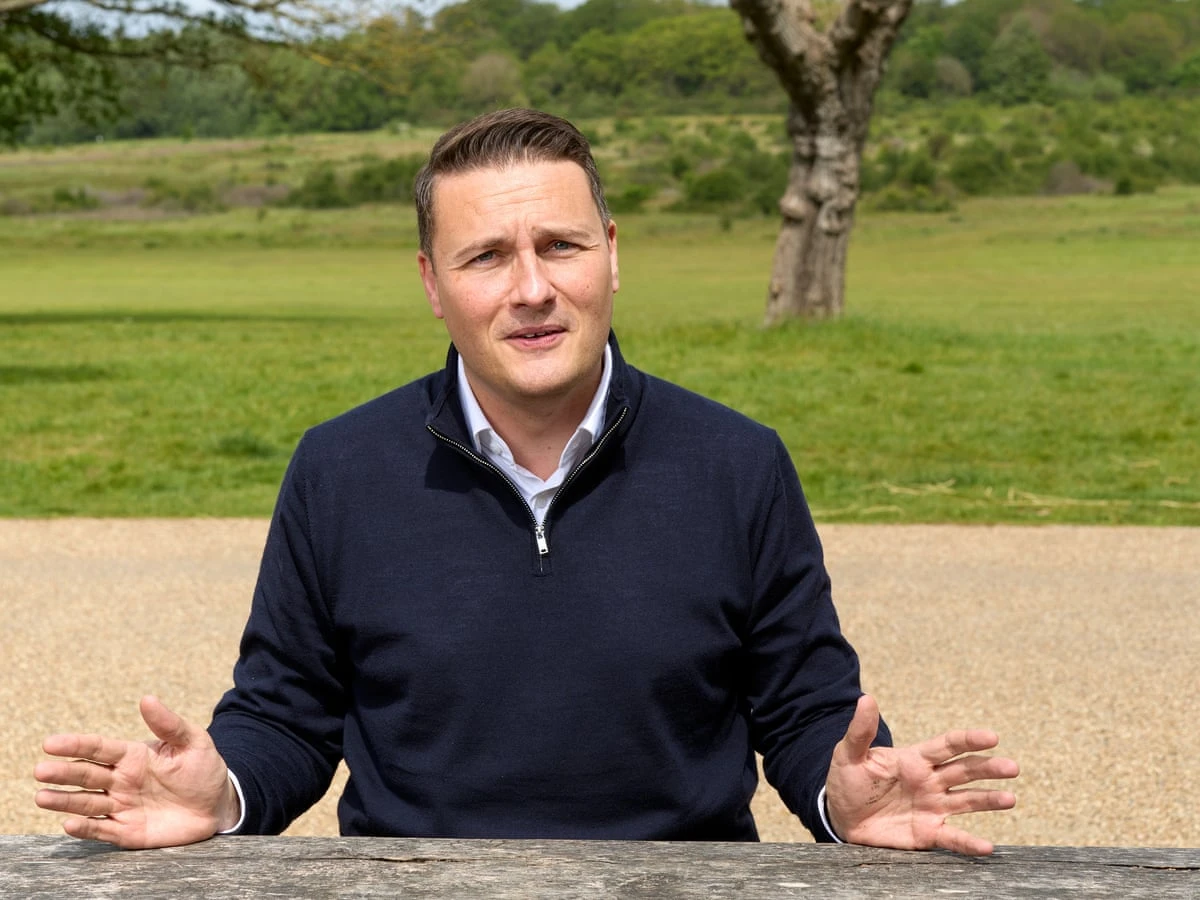
That creates the central tension now running through Labour: whether Streeting is pressing a sober case for fiscal realism, or using the language of prudence to help define Labour’s post-election identity before rivals do it for him. His warning about an auction of pledges is aimed at the party’s habit of promising everything at once, but it sits alongside a tax agenda that itself reaches deep into a live debate over growth, fairness and who should bear the burden of financing the state.
The criticism has already come from figures outside Streeting’s camp. Former Treasury minister Lord Jim O’Neill said he was “very disappointed” by the proposal and argued that taxing risk-taking and venture capital the same way as income would be bad for growth. That is the argument Streeting is now confronting: that credibility in Labour may depend less on the scale of its ambition than on its willingness to say no.
Sources
- [1]bbc.com
- [2]cityam.com
- [3]aol.com
- [4]uk.news.yahoo.com
- [5]politico.eu
- [6]msn.com