Health
Strength Training Gains Popularity With Focus on Proper Technique
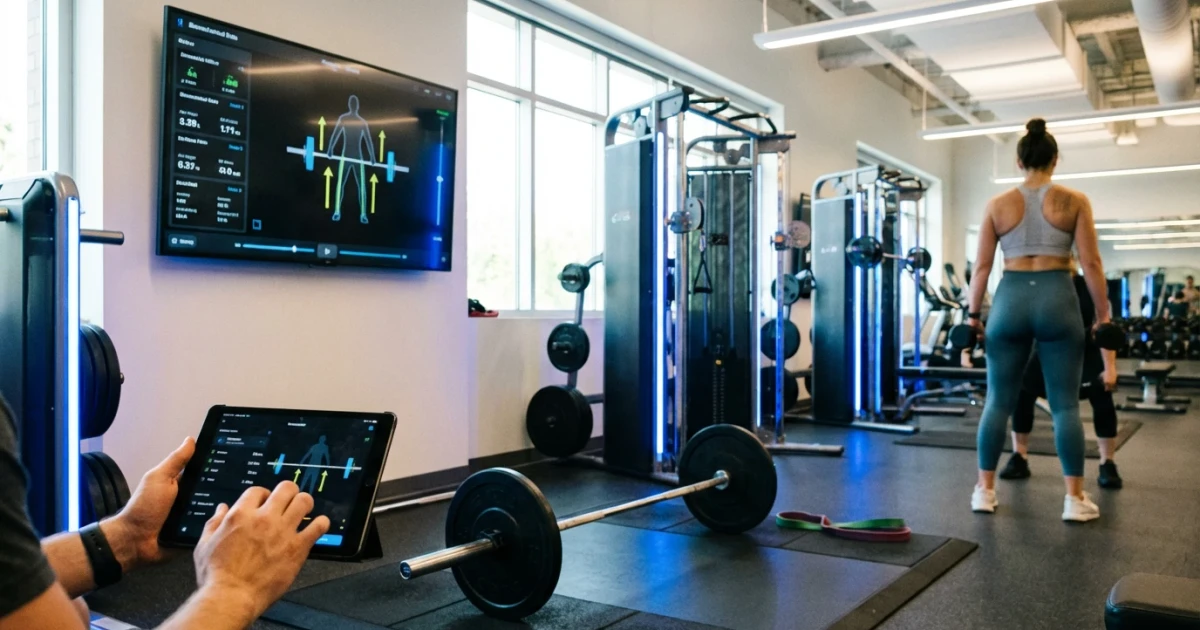
Strength training is experiencing a surge in popularity, with more Americans turning to resistance exercises to boost health, build muscle, and maintain fitness. As interest grows, experts are emphasizing the importance of proper techniques and realistic expectations for both beginners and seasoned enthusiasts.
Why Strength Training Is on the Rise
Recent coverage by The Washington Post highlights the increasing enthusiasm for strength training, driven in part by its proven health benefits and the accessibility of simple routines. Data from the Centers for Disease Control and Prevention (CDC) show that while aerobic activity remains popular, participation in muscle-strengthening activities has increased in recent years. However, fewer than a quarter of U.S. adults meet national guidelines for both aerobic and muscle-strengthening activity, underscoring a gap between interest and consistent practice.
Health Benefits Backed by Research
Strength training offers a range of benefits beyond muscle mass. According to the CDC’s official guidelines, regular resistance exercises help reduce the risk of cardiovascular disease, improve bone density, and boost mental health. A systematic review in the Cochrane Library further supports these claims, particularly for older adults, citing improved mobility and reduced frailty among those who incorporate strength training into their weekly routines.
How Much Is Enough?
One common question is how often and how intensely individuals need to train to see results. The Washington Post notes that emerging research suggests even modest routines can yield substantial gains. A recent systematic review and meta-analysis found that training each muscle group as little as once or twice per week can significantly increase muscle mass and strength—dispelling the myth that daily, high-intensity sessions are essential for progress.
- The CDC recommends adults perform muscle-strengthening activities involving all major muscle groups at least two days per week.
- Most studies indicate that routines do not need to exceed 30 to 60 minutes per session for effectiveness.
- Benefits apply across age groups, with older adults seeing improvements in balance, independence, and overall quality of life.
Best Practices for Safe and Effective Training
Proper technique is crucial for maximizing benefits and minimizing injury risk. The American College of Sports Medicine offers a comprehensive guide for all ages, emphasizing the importance of gradual progression, controlled movements, and attention to form. For those new to strength training, beginning with bodyweight exercises or light weights—and focusing on technique—lays a solid foundation.
Key best practices include:
- Warming up with dynamic stretches to prepare muscles and joints
- Focusing on full range of motion and controlled repetitions
- Allowing adequate rest between sessions targeting the same muscle group
- Increasing resistance or complexity gradually as strength improves
Experts also recommend consulting with a certified trainer, especially when learning new movements, to ensure safety and efficacy.
Addressing Common Barriers
Despite growing interest, many Americans face hurdles to consistent strength training. Data from the CDC’s prevalence maps reveal disparities across states, with some regions reporting higher inactivity rates. Barriers often include lack of access to equipment, uncertainty about routines, and misconceptions about necessary time commitments. The Washington Post underscores that effective strength training can be accomplished at home with minimal equipment, such as resistance bands or household items.
Looking Ahead
As strength training cements its place in mainstream fitness, the emphasis is shifting from intensity and volume to consistency and quality. Research and official guidelines agree: a well-planned, moderate routine practiced regularly can deliver lasting health benefits at any age. With resources and guidance widely available, more Americans are empowered to incorporate strength training into their lifestyles, potentially closing the gap between interest and participation in the years ahead.