Business
Strike hits Norway oil services as wage talks split unions
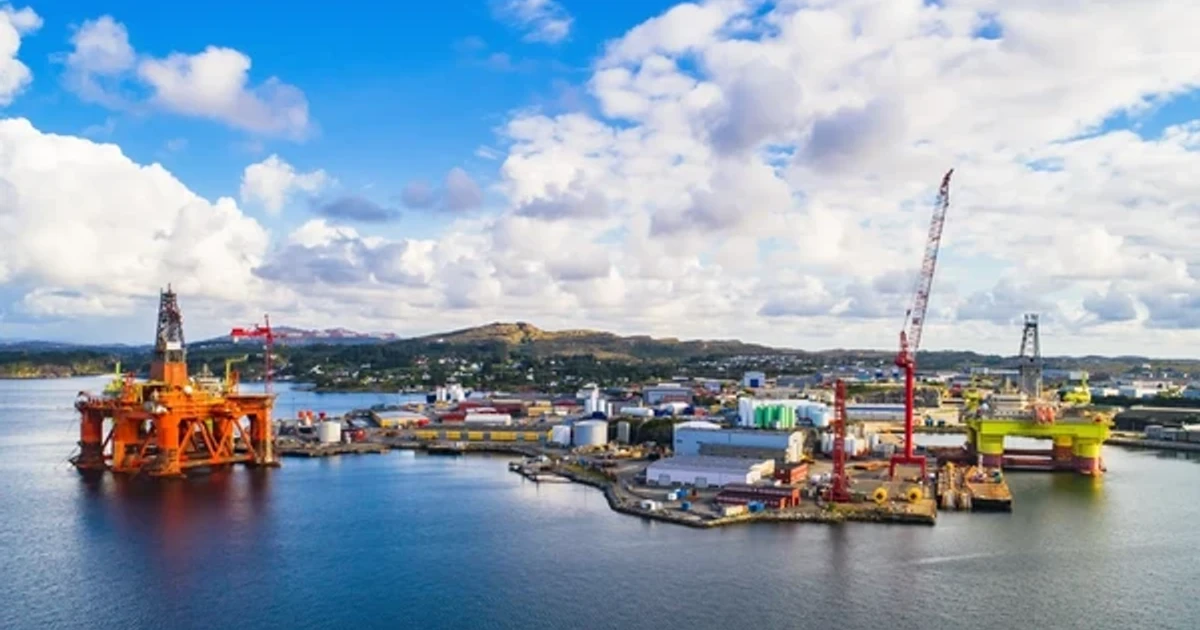
A split has opened in Norway’s oil services sector just as a strike began to test how much leverage workers still hold in a high-price energy market. SAFE sent 154 well-service workers out on strike from midnight June 15, and another 224 could join them on June 18 if talks fail, even as Styrke struck a separate deal with employers.
The dispute is narrower than a full industry shutdown, but it lands in a sector that Europe still depends on for oil and gas. Offshore Norge said the broader offshore settlement for about 8,000 organized employees on the Norwegian continental shelf was reached late on June 5 after mediation with Styrke, SAFE and Lederne, ending a separate round of talks and averting a strike there. The new conflict is confined to the brønnservice, or well-service, agreement, where SAFE warned that its members would walk if mediation failed.
That division matters because it shows how fragmented bargaining has become in one of Europe’s key energy industries. The initial strike warning covered workers at SLB, Halliburton, Baker Hughes, Weatherford, Subsea 7, Oceaneering, NOV, Altus Intervention, IKM Subsea and Welltec, underlining that the pressure now sits in a separate contract area rather than across the whole offshore sector. Offshore Norge said the mediation in the well-service talks was difficult and expressed disappointment that no agreement was reached with SAFE.
For markets, the immediate impact on production was not expected to be severe, but the threat of escalation is what gives the dispute weight. In the earlier offshore round, the industry estimated that a threatened strike by roughly 617 workers could initially cut output by 45,500 barrels of oil equivalent per day. That figure offers a sense of how quickly a limited walkout can become a supply issue if more workers are pulled in and the dispute spreads.
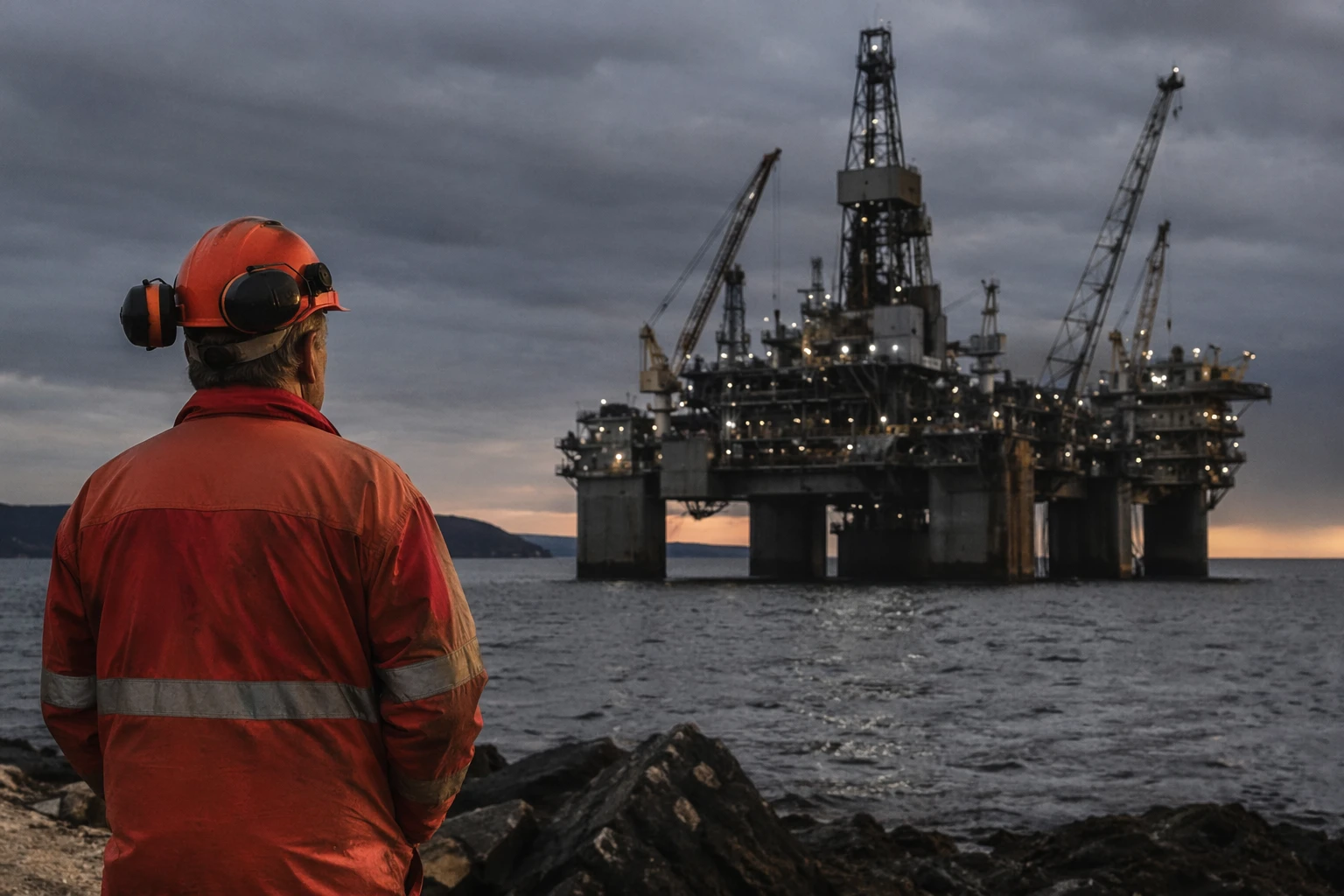
The bargaining split also reveals the different calculations inside the unions. Styrke said the broader offshore settlement delivered a wage increase of 42,000 kroner and argued that 2026 is a main settlement year, when full strike rights apply. SAFE, by contrast, is pressing ahead in the well-service talks, betting that a strike threat can win more than the deal already accepted elsewhere. For employers, the outcome suggests they have preserved enough bargaining power to settle one part of the sector while containing another, but not enough to remove disruption risk entirely.
That is the stress test now facing Norway’s oil services industry: workers operating under the same energy backdrop have split between settlement and confrontation, and Europe’s supply chain is watching to see whether the pressure stays contained or spreads across the North Sea.