World
Strong earthquake off southern Japan raises Nankai Trough fears

A strong earthquake struck off the coastal city of Uto in southern Japan, prompting tsunami warnings and emergency monitoring even as initial reports said there were no immediate reports of damage. Some coverage put the quake at a preliminary magnitude 7.1 near Uto in Kumamoto Prefecture on Kyushu, while later live coverage described fires and injuries after a 6.8-magnitude quake.
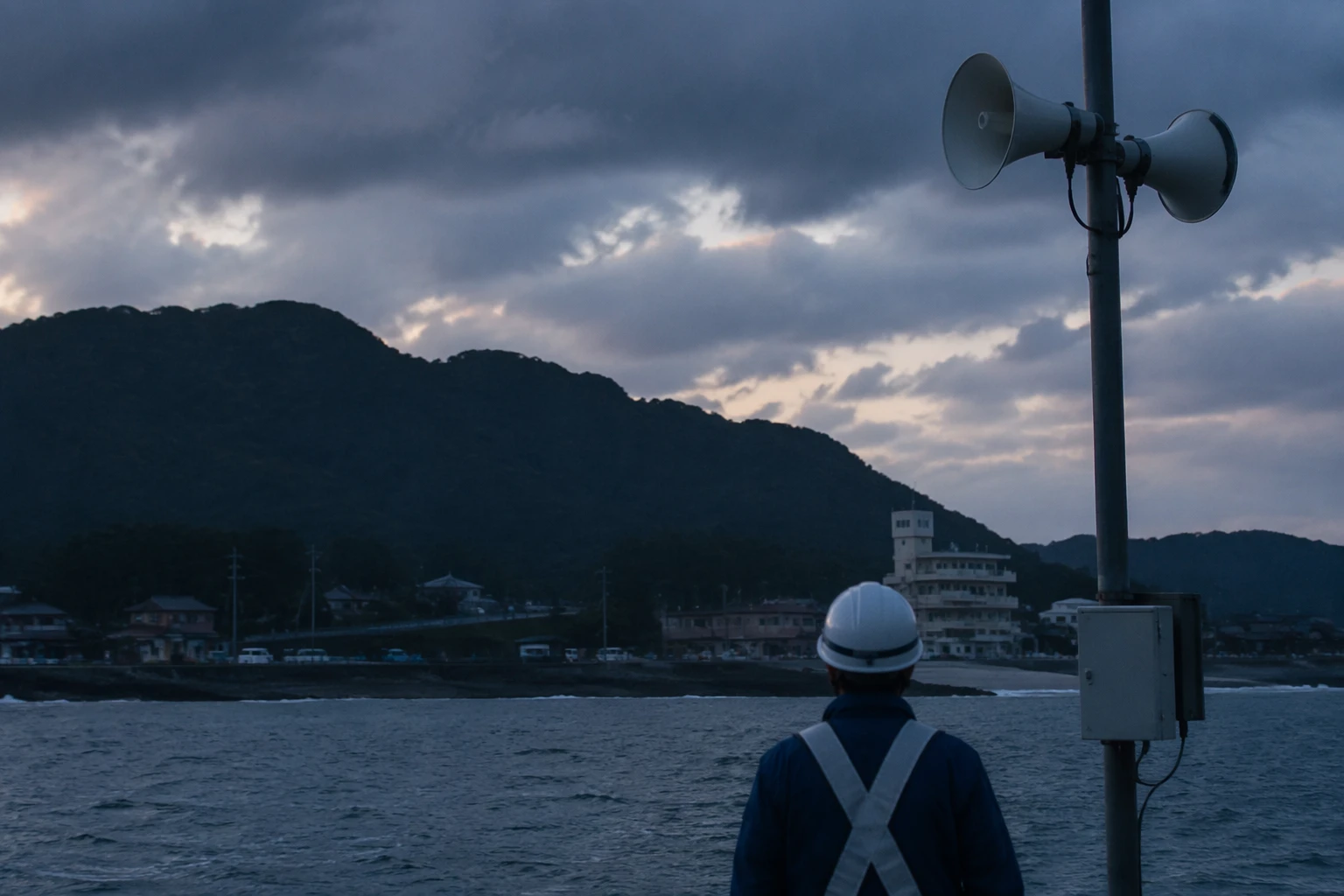
The first hours after the shaking centered on the questions Japanese officials always ask after a coastal quake: whether a tsunami could follow, whether roads, rail lines, ports and utilities had been damaged, and whether aftershocks could turn a single event into a wider emergency. A tsunami warning was later lifted, but authorities kept checking for damage and additional seismic activity across southern Japan.
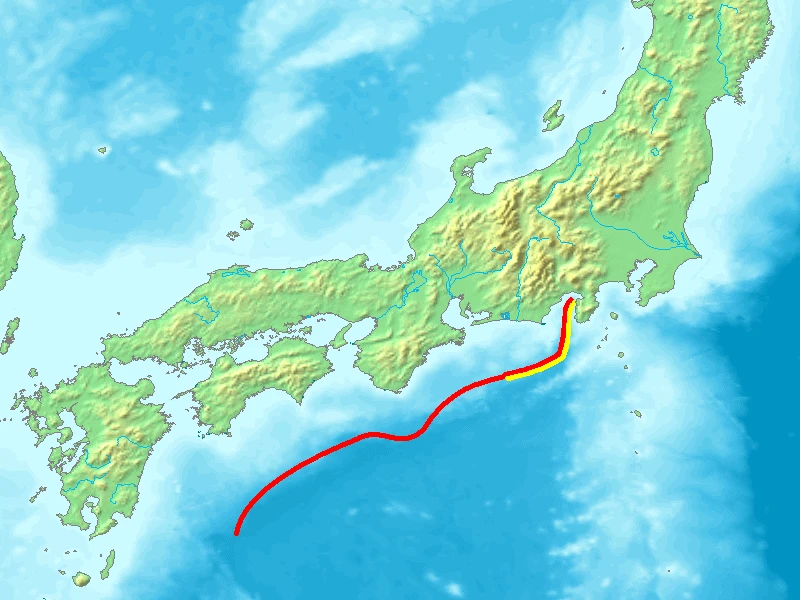
That urgency reflected more than the size of the tremor. Uto sits on Japan’s seismic front line, and the quake revived concern about the Nankai Trough, an undersea trough east of the coast that has produced devastating earthquakes in the past. In August 2024, a powerful earthquake off southern Japan caused mostly minor injuries but pushed seismologists into an emergency meeting and raised the level of concern over possible major quakes linked to the trough.
The Nankai Trough has long sat at the center of Japan’s disaster planning because a major rupture there could send strong shaking and coastal flooding into several prefectures. The latest quake again showed why even an event that does not immediately produce major damage can draw national attention fast: the early warning period is when officials decide whether the risk is limited to local repairs or whether a wider coastal threat is developing.
Japan’s state broadcaster said fires and injuries were reported in Kumamoto Prefecture after the quake, underscoring how quickly conditions can shift in the first minutes after a strong tremor. Even when initial damage reports are sparse, seismologists and emergency managers keep watching the same indicators, including aftershock patterns and tsunami risk, before the scale of the event is clear.
Sources
- [1]nytimes.com
- [2]cbsnews.com
- [3]timesnownews.com
- [4]www3.nhk.or.jp