World
Strong earthquake strikes Japan’s Kumamoto Prefecture, triggers tsunami warning
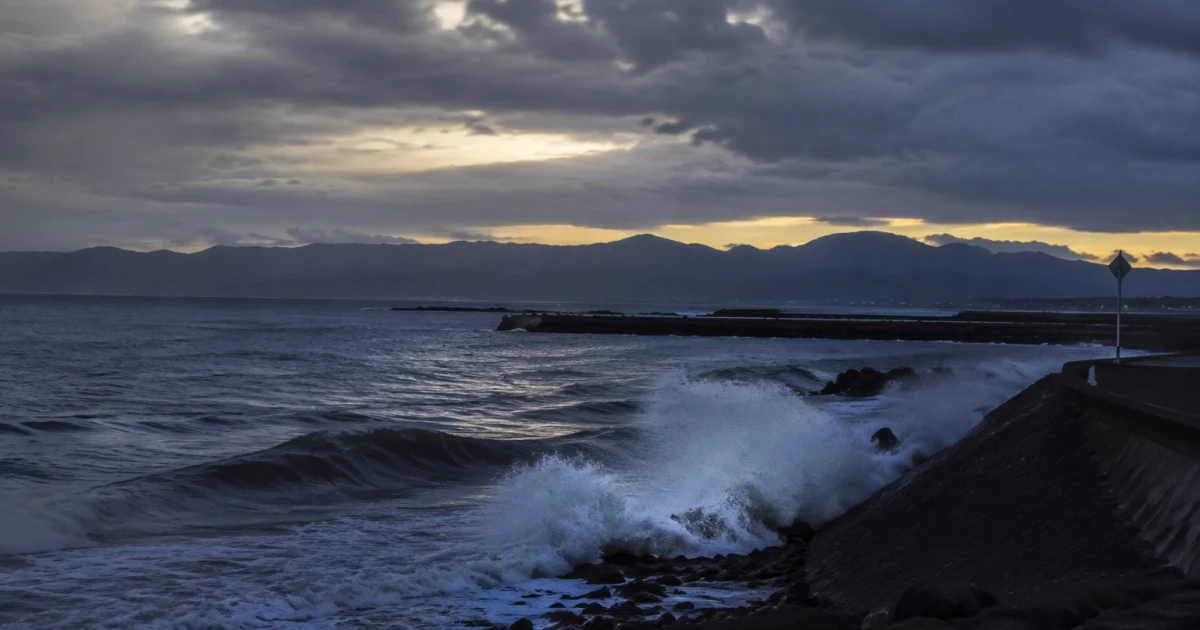
A preliminary magnitude 7.1 earthquake struck Japan’s Kumamoto Prefecture on Tuesday, and the Japan Meteorological Agency issued a tsunami warning for waves of about 1 metre in coastal areas on Kyushu, including the Ariake and Yatsushiro seas. The warning underscored how quickly Japan’s disaster network moves when strong shaking hits the southwest coast, where even a moderate tsunami can become a life-threatening hazard in low-lying communities.
The agency’s alert came against the backdrop of Kumamoto’s most painful modern earthquake memory. In April 2016, a preliminary magnitude 5.5 quake hit the prefecture first, followed by a much stronger magnitude 7.3 mainshock that killed dozens of people and left widespread destruction. Reuters reported at the time that the death toll from the second quake rose to 19 within two days, bringing the combined toll from the pair to 29.
The human cost was later understood to be even larger. NHK World later said the 2016 Kumamoto earthquakes killed 278 people in Kumamoto and neighboring Oita Prefecture, a toll that reflected the long tail of injuries, displacement and related deaths that followed the initial shaking. The contrast between the first quake and the destructive mainshock showed how a region can move from early damage to a far deadlier collapse in a matter of hours.
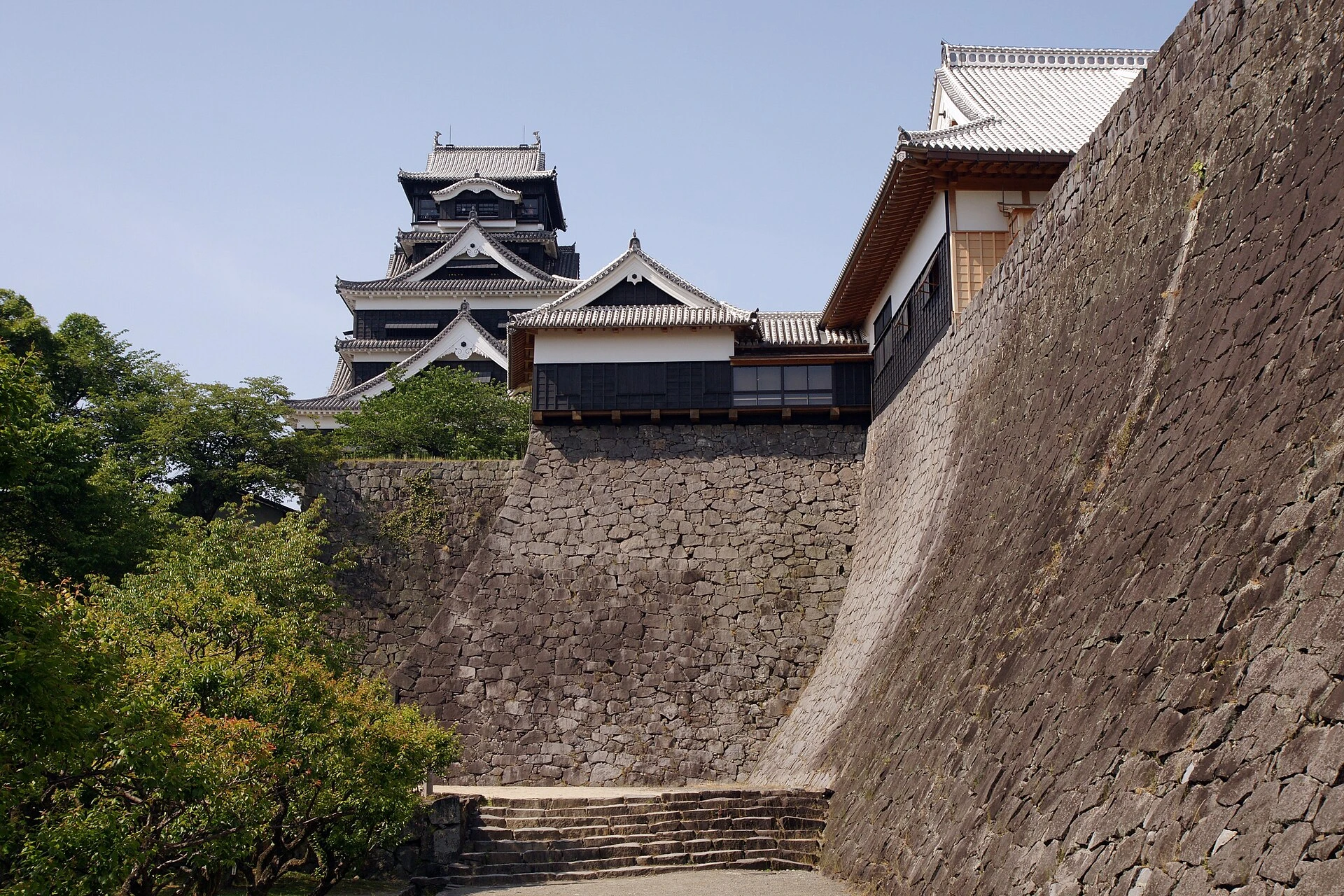
Japan’s meteorological records show that tsunami warnings and advisories are a regular part of emergency response in the Kumamoto region, especially along Kyushu’s coast. Reuters and other reports have repeatedly cited warning language for possible waves of around 1 metre in the Ariake and Yatsushiro seas, a reminder that the coastlines around Kumamoto remain exposed even when a quake is centered inland or offshore.
For Japan, the test is not only whether a warning is issued, but whether residents respond before the first wave arrives. Kumamoto’s earthquake history, from the 2016 disaster to Tuesday’s magnitude 7.1 shock, has repeatedly shown why the country’s warning system, evacuation culture and infrastructure resilience remain central to public safety in one of the world’s most seismically active regions.
Sources
- [1]nbcnews.com
- [2]reuters.com
- [3]pbs.org
- [4]www3.nhk.or.jp
- [5]data.jma.go.jp
- [6]english.kyodonews.net