Science
Strong Geomagnetic Storm May Bring Aurora to More States
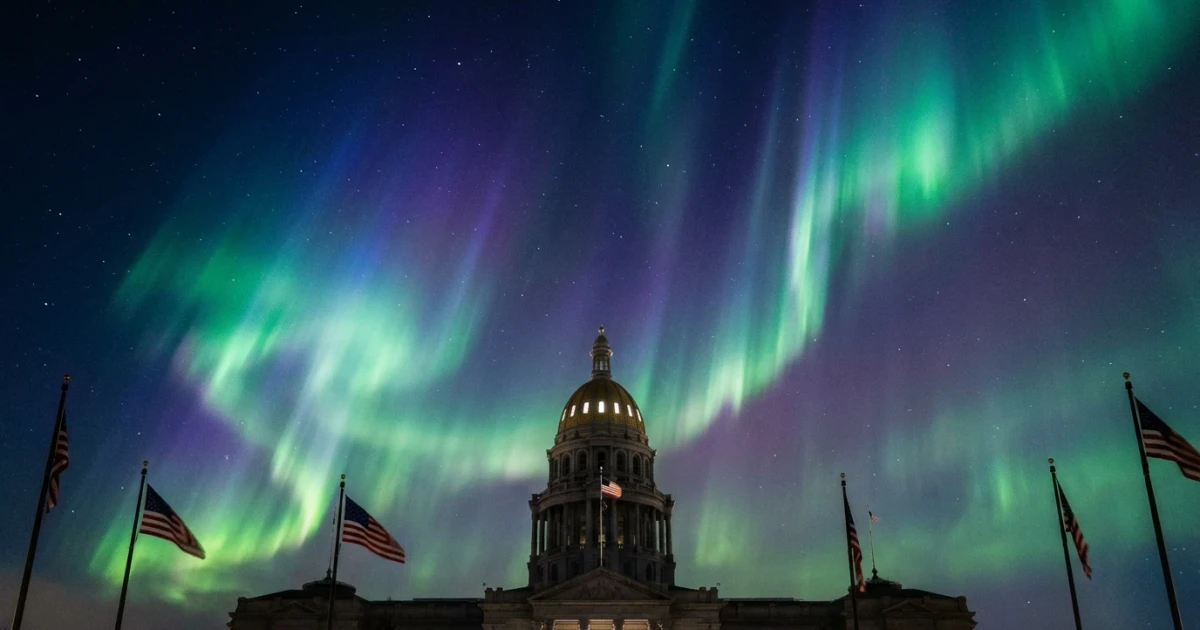
Millions of Americans could have the chance to witness the Northern Lights this week, as a forecasted strong geomagnetic storm is expected to expand aurora visibility farther south than usual. The alert, issued by the National Oceanic and Atmospheric Administration’s Space Weather Prediction Center (NOAA SWPC), indicates that the phenomenon may be seen in over 20 states, offering a rare opportunity for those outside typical auroral zones.
Storm Forecast and Expected Impact
According to NOAA SWPC alerts, a G3 (strong) geomagnetic storm watch has been issued following a series of solar eruptions from the Sun. These eruptions, known as coronal mass ejections (CMEs), have the potential to trigger disturbances in the Earth's magnetic field, enhancing the aurora borealis’ visibility and intensity.
- G3-rated storms are considered strong on the NOAA Space Weather Scales, with the potential to cause voltage corrections in power systems and affect spacecraft operations.
- The planetary K-index, which measures geomagnetic activity, is expected to reach levels that support aurora sightings as far south as Colorado, Missouri, and Virginia.
- This event could affect up to 23 states, according to ABC News, with aurora visibility dependent on local weather and light pollution conditions.
Where and When to Watch
The best chances to see the aurora will be in areas with clear, dark skies, away from city lights. States across the Midwest, Northeast, and even parts of the central U.S. could experience the spectacle if the storm reaches predicted intensity. Real-time aurora forecasts can help skywatchers pinpoint optimal viewing times and locations.
- Aurora activity may be visible from as far south as Nebraska, Iowa, Illinois, and Ohio, based on current models.
- Peak illumination is expected during the late evening and early morning hours, especially near midnight local time.
Understanding Geomagnetic Storms and Auroras
Auroras occur when charged solar particles interact with the Earth’s magnetic field, causing spectacular light displays in the upper atmosphere. The strength and reach of these displays are closely tied to the power of geomagnetic storms, which are assessed by the K-index and NOAA’s G-scale.
- G3 storms are classified as “strong” and can cause radio blackouts at high latitudes, minor impacts on navigation systems, and visible aurora much farther from the poles than usual.
- For those seeking up-to-date information, the Auroral Oval & Activity page provides live maps and K-index readings.
What to Expect and How to Prepare
While the main effect will be visual, authorities advise that strong geomagnetic storms can occasionally cause disruptions to power grids and satellite communications. However, widespread impacts are not expected for this event. Astronomers and photographers recommend heading to rural locations and allowing time for your eyes to adjust to the darkness for the best experience.
Conclusion
This week’s strong geomagnetic storm offers an uncommon opportunity for millions to observe the Northern Lights far from their usual haunts. As always, visibility will depend on weather and local conditions, but with the right preparation, skywatchers across the U.S. could be in for a memorable display. For those interested in the science and latest updates, NOAA’s Solar and Geophysical Event Reports provide ongoing details and event summaries.