Health
Study finds backup immune pathway could boost mRNA cancer vaccines
Researchers at Washington University School of Medicine in St. Louis found that mRNA cancer vaccines can still drive a strong anti-tumor response even when a dendritic-cell type long thought to be essential is missing. The work points to a built-in backup immune route that could shape how future cancer vaccines are designed, especially as mRNA moves from pandemic use into oncology.
The study, published April 15, 2026 in Nature, focused on mRNA delivered in lipid nanoparticles. In mouse experiments, the vaccines did not require cDC1 cells or the WDFY4-dependent cross-presentation pathway for CD8+ T cell priming. Instead, both cDC1 and cDC2 dendritic-cell subsets took part redundantly, with one closely related immune cell stepping in when the other was absent. That matters because dendritic cells are the cells that help turn mRNA instructions into immune training, while CD8+ T cells are the cells that hunt down targets carrying the same antigens.
Kenneth M. Murphy, the Eugene Opie Centennial Professor of Pathology & Immunology at WashU Medicine and a research member at Siteman Cancer Center at Barnes-Jewish Hospital, said the work gives vaccine developers additional mechanistic insight into how immune responses are coordinated and how vaccines against tumor proteins may be optimized. WashU Medicine said the finding also showed that a cousin immune-cell subtype can stimulate anti-tumor activity even though it is not involved in responses to other vaccines.
The translational question now is how far this backup pathway can be carried beyond mice. The study is preclinical, so the next steps are replication in more animal work, then human trials that can test whether the same redundancy holds up in people, along with careful safety monitoring and measurements of immune response. That is especially important for patients whose immune systems are already weakened by cancer or treatment, where extra flexibility in the immune pathway could make a practical difference.
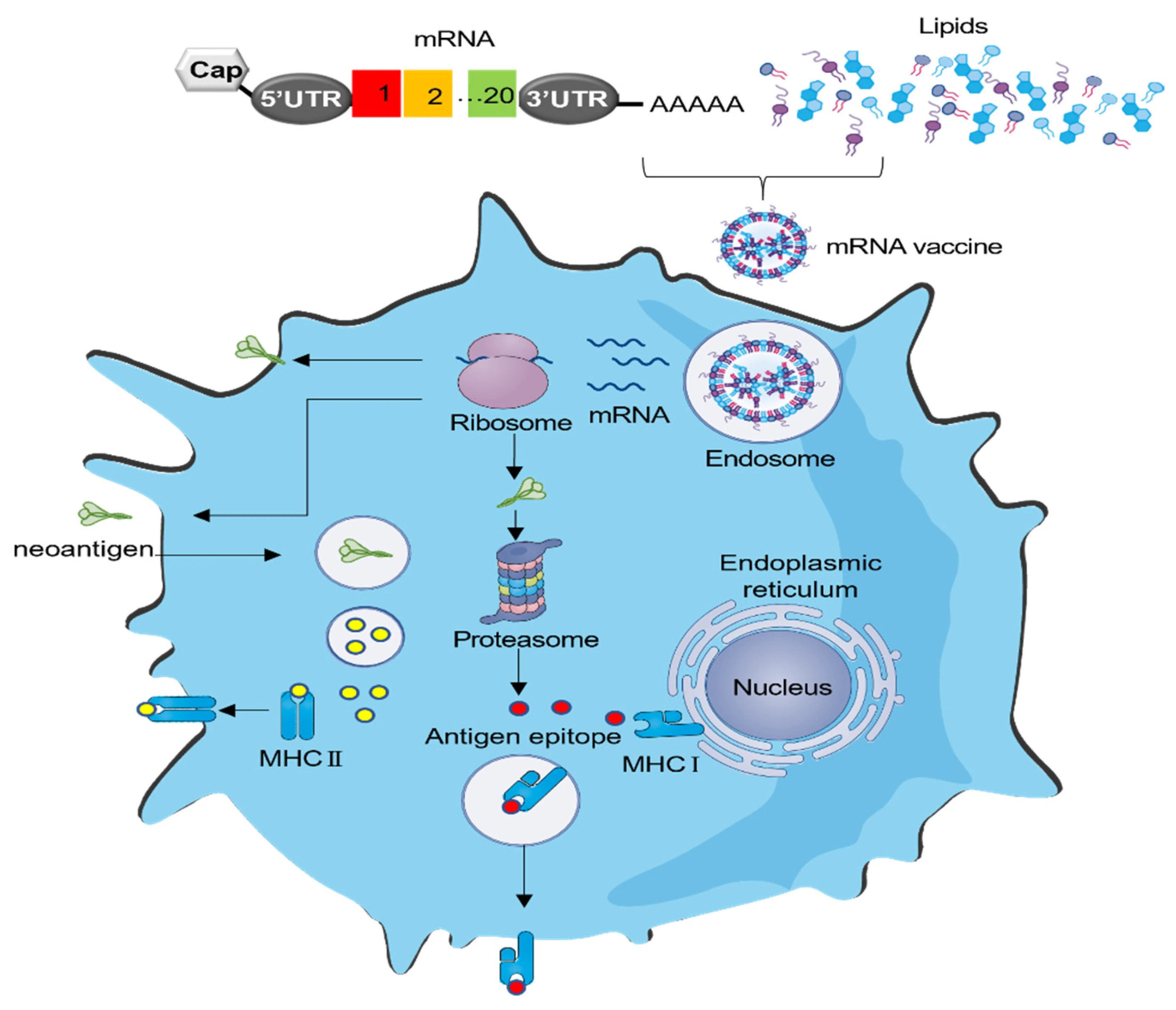
The broader field is already moving. The American Cancer Society says clinical trials are testing mRNA cancer vaccines in lung, breast, prostate, melanoma, pancreatic and brain cancers, and that the platform can be designed quickly, including as personalized vaccines aimed at tumor-specific neoantigens. The first mRNA vaccines against SARS-CoV-2 changed the course of the COVID-19 pandemic, and cancer researchers are now trying to turn that speed into durable benefit for patients who still have too few treatment options.