Health
Study Finds Bed Bugs Steer Clear of Wet Surfaces
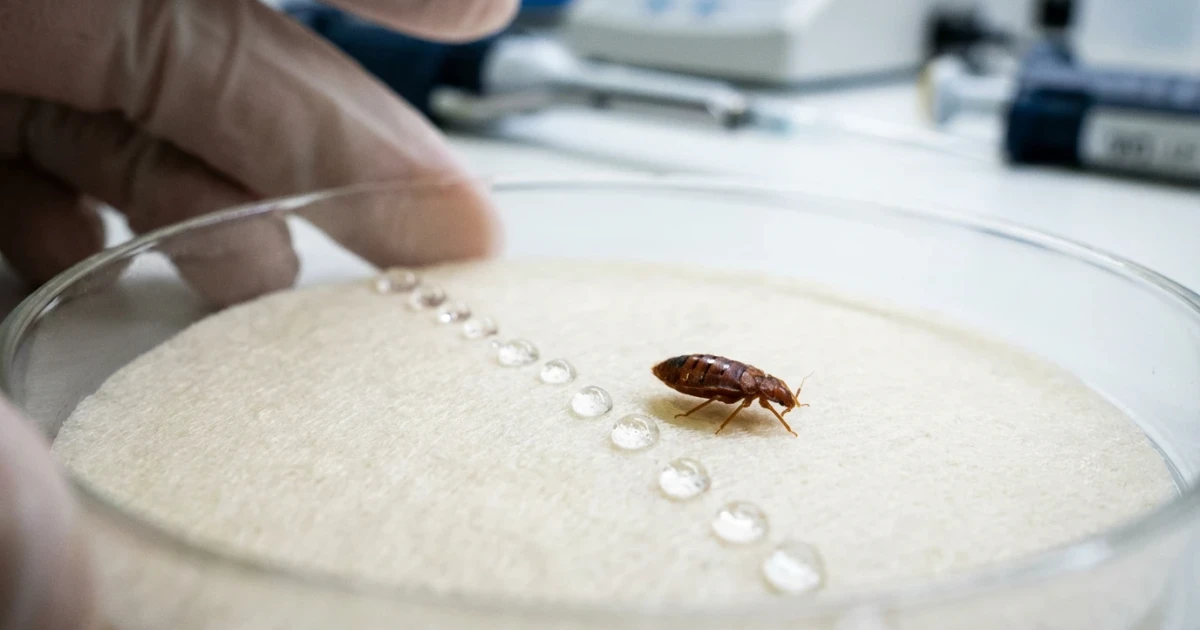
New research has identified water as a powerful deterrent for bed bugs, with studies showing that these persistent pests actively avoid wet surfaces. This insight could reshape approaches to bed bug prevention and management, especially for travelers and hospitality providers concerned about infestations.
Bed Bugs and Water: Surprising Behavioral Findings
According to findings reported by Phys.org, researchers have discovered that bed bugs will go to great lengths to avoid contact with water, making wet surfaces a significant obstacle to their movement. This conclusion was drawn from controlled laboratory experiments in which bed bugs were presented with the choice of traversing dry versus wet surfaces. The results were clear: the insects consistently refused to cross moist areas, even when food sources were present on the other side.
This behavior is notable given bed bugs’ reputation for resilience and adaptability in human environments. As detailed in a peer-reviewed research article on their clinical relevance, bed bugs’ ability to survive for months without feeding and their resistance to many pesticides have made them especially difficult to eradicate.
Implications for Travelers and Infestation Control
With bed bug infestations continuing to be a public health concern—especially in hotels, dormitories, and other high-traffic accommodations—these findings offer hope for improved prevention. KYYW 1470, referencing the same research, pointed out that even simple actions such as ensuring luggage is placed on wet towels or surfaces may reduce the risk of pests hitching a ride home with travelers.
- Bed bug infestations have been reported in all 50 U.S. states, with urban areas seeing the highest prevalence. More data on infestation rates is available on the CDC's bed bug statistics page.
- The EPA's guidance emphasizes a combination of chemical and non-chemical strategies for control, but practical, moisture-based barriers had not previously been widely recommended.
These results suggest additional, non-toxic interventions may complement current best practices. For example, moistening surfaces around beds or luggage storage areas could delay or even prevent infestations by physically blocking the pests’ movement.
Why Do Bed Bugs Avoid Water?
Scientists are still exploring the reasons behind this water aversion. Bed bugs are not aquatic and require relatively dry environments to thrive. According to recent behavioral studies, water exposure can impair their ability to move, breathe, and find hosts. Wet surfaces may also increase the risk of fungal infections or disrupt their pheromone trails, making navigation and communication more difficult.
This trait sets bed bugs apart from other household pests, such as cockroaches, that may seek moisture. Understanding these behavioral boundaries could provide fresh avenues for control that do not rely on chemicals or heat treatments alone.
Practical Takeaways for Homeowners and Guests
While the research is still in early stages, the evidence points to a few practical steps for those concerned about bed bugs:
- Keep luggage off beds and carpets; placing bags on moistened bathroom floors or wet towels may help deter pests.
- Consider adding moisture barriers to known entry points in hotels or dorms.
- Continue relying on integrated pest management practices, as water is not a standalone solution but a helpful addition.
For more background on bed bug biology, lifecycle, and control, readers can consult the PestWorld bed bug guide.
Looking Ahead: Combining Old and New Tools
The discovery that water can act as a natural deterrent adds a new dimension to the fight against bed bugs. While more research is needed to translate laboratory findings into field-tested recommendations, this strategy could become part of a broader, more sustainable toolkit for homeowners, travelers, and pest management professionals.
As scientists work to confirm and expand on these findings, the advice remains: vigilance and a combination of prevention strategies are key to keeping bed bugs at bay.