Health
Study finds chronic wasting disease can spread before symptoms appear
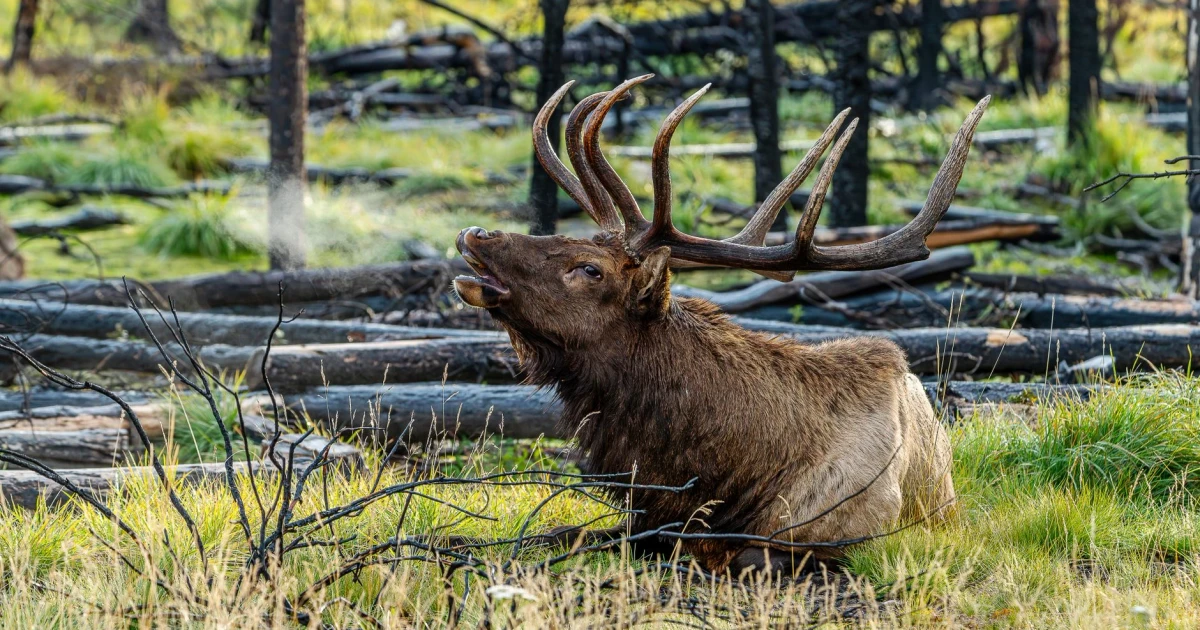
The biggest warning from the latest chronic wasting disease research is not just that the disease is hard to stop, but that it may move through deer and elk before wildlife managers can see it. A new study found infectious prions in animals that showed no symptoms, a silent phase that could let infected cervids pass through herds, habitats and transport systems without detection.
That matters because chronic wasting disease, or CWD, is a prion disease, meaning it is driven by misfolded proteins rather than bacteria or viruses. The U.S. Department of Agriculture’s Animal and Plant Health Inspection Service says it infects cervids such as deer and elk and is not known to infect other wildlife, livestock or humans. The Centers for Disease Control and Prevention says it also affects moose and reindeer, and that the prions can spread through feces, saliva, blood and urine.
The disease has been a management problem for decades. Federal sources say it was first detected in 1967 at a captive deer and elk research facility in Colorado, then found in free-ranging cervids in 1978. It was later recognized in wild elk in 1981 and mule deer in 1985, and it has since spread widely across North America. Because environmental exposure can help CWD persist, agencies have long treated it as a difficult-to-contain threat once it becomes established in a region.

The new finding sharpens that concern. If animals can carry infectious prions before they look sick, testing strategies that depend too heavily on visible illness can miss part of the problem. That could affect hunting regulations, transport restrictions and the way states monitor both wild herds and captive populations, especially where wildlife moves across county and state lines.
Researchers and federal agencies are also still working to understand how far the biology of CWD can reach. A University of Calgary-linked study published May 27, 2026, by Hermann Schaetzl and William Werkheiser, found that the prions that cause CWD in cervids can still be infectious when passed to other species. There has never been a confirmed human case, according to the CDC and University of Calgary coverage, but the expanding geographic footprint keeps surveillance pressure high.
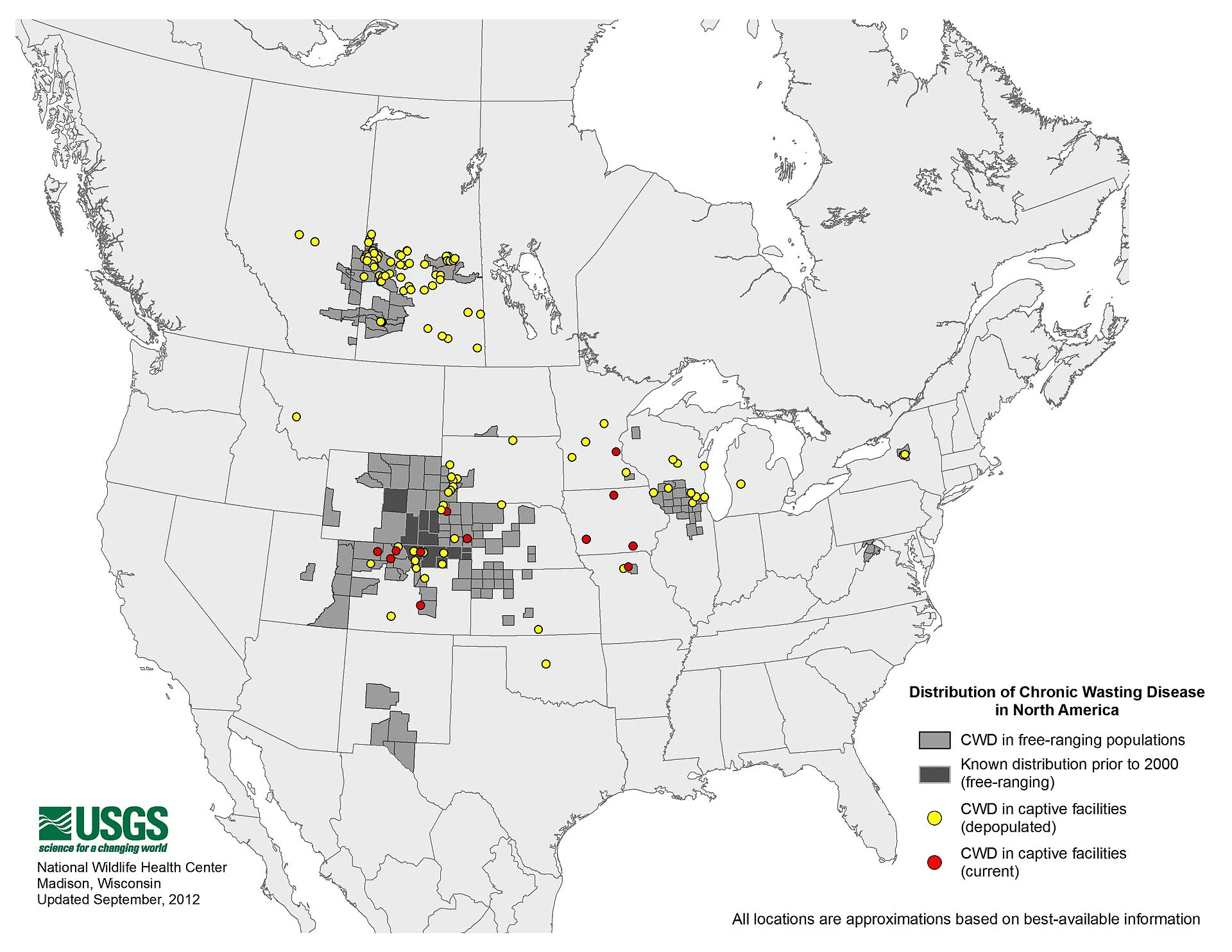
The practical takeaway is clear: wildlife officials may need to look beyond symptoms alone. With APHIS and the U.S. Geological Survey continuing to develop detection and management tools, the challenge is increasingly about finding a disease that may travel quietly long before it shows its face.
Sources
- [1]sciencedaily.com
- [2]aphis.usda.gov
- [3]cdc.gov
- [4]doi.gov
- [5]wildlife.tamu.edu
- [6]ucalgary.ca
- [7]eurekalert.org