World
Study finds coral refuges in the Coral Triangle resist warming seas
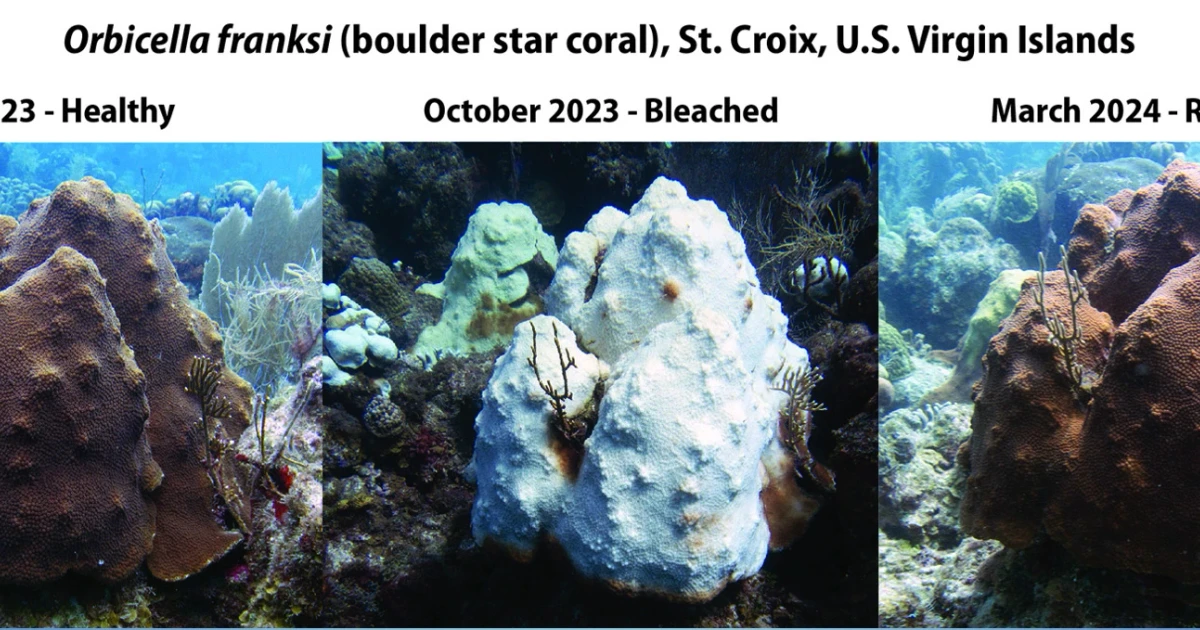
Reefs across the Coral Triangle endured the weakest marine heatwaves of the past two decades, giving scientists a clearer map of where corals are most likely to survive rising seas. Stretching across Indonesia, Malaysia, the Philippines, Papua New Guinea, the Solomon Islands and Timor-Leste, the region covers about 2.3 million square miles and holds more than three-quarters of the world’s coral species. That makes it one of the most important tests of a new conservation question: which reefs can function as refuges, and which conditions make them resilient enough to matter?
A global analysis in Global Change Biology, spanning 81 countries, found bleaching was reduced where reefs faced strong currents, high wave energy, frequent cloud cover or turbidity. Marine heatwaves and coral bleaching were least severe in the equatorial Coral Triangle from 2002 to 2020, and researchers suspect that pattern is no accident, since cloud cover is more frequent near the Equator and can help shield shallow reefs from the worst heat stress. The finding points to a practical adaptation strategy, directing limited funding toward places where oceanographic conditions already provide some natural protection.
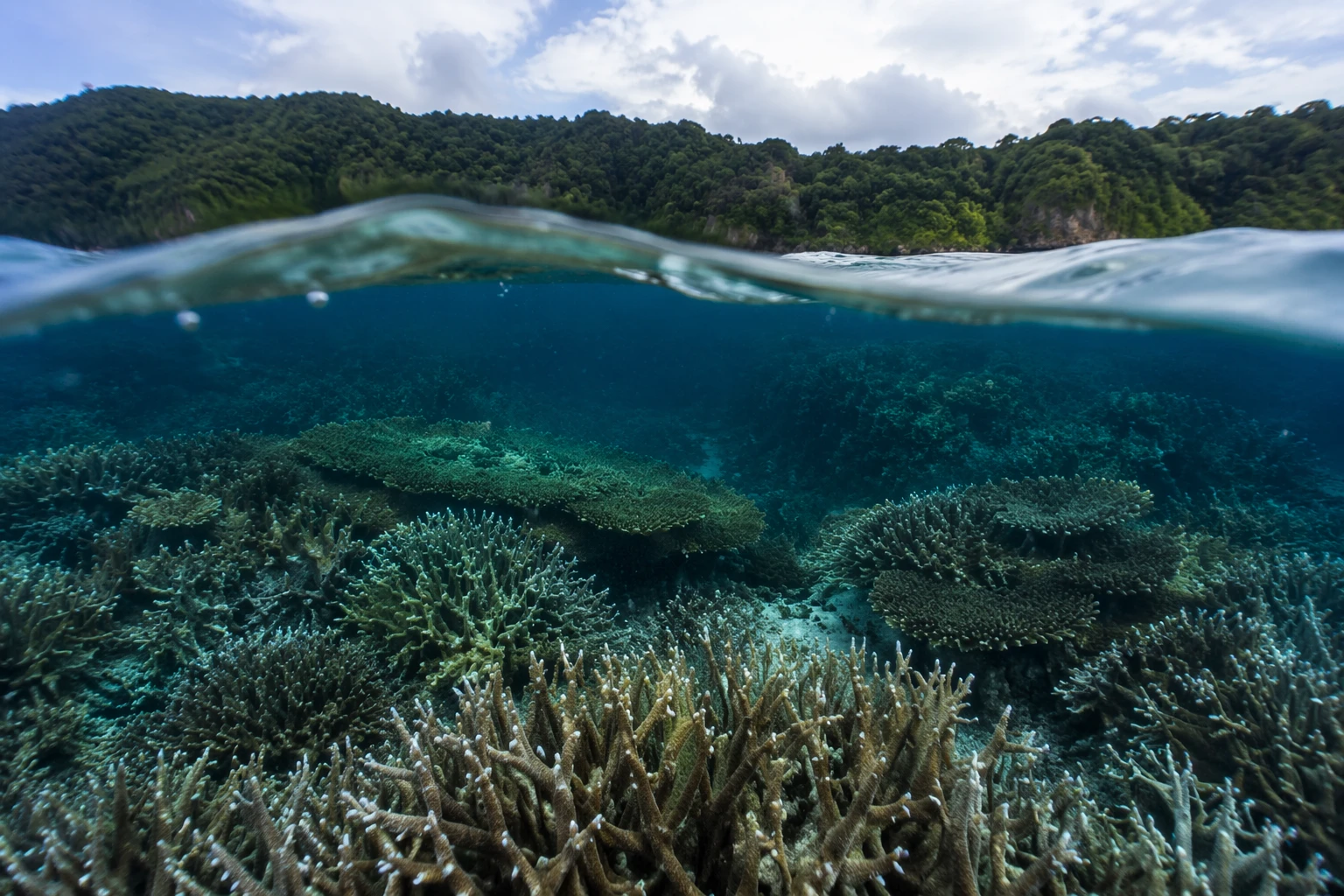
Another study, from Bangor University and King Abdullah University of Science and Technology, shows why that strategy has to be built on more than surface temperatures. Fewer than 10% of more than 1,000 reviewed studies explicitly considered both reef ecology and oceanography, even though currents, upwelling, deep-water temperature patterns and nutrient flows can determine whether reefs hold on or collapse. The paper cited Palmyra Atoll surviving the 2015 El Niño because cool, nutrient-rich water buffered the heat, while reefs in the Chagos Archipelago and Moorea in French Polynesia suffered deep-water heat stress in 2019 that satellites did not detect.
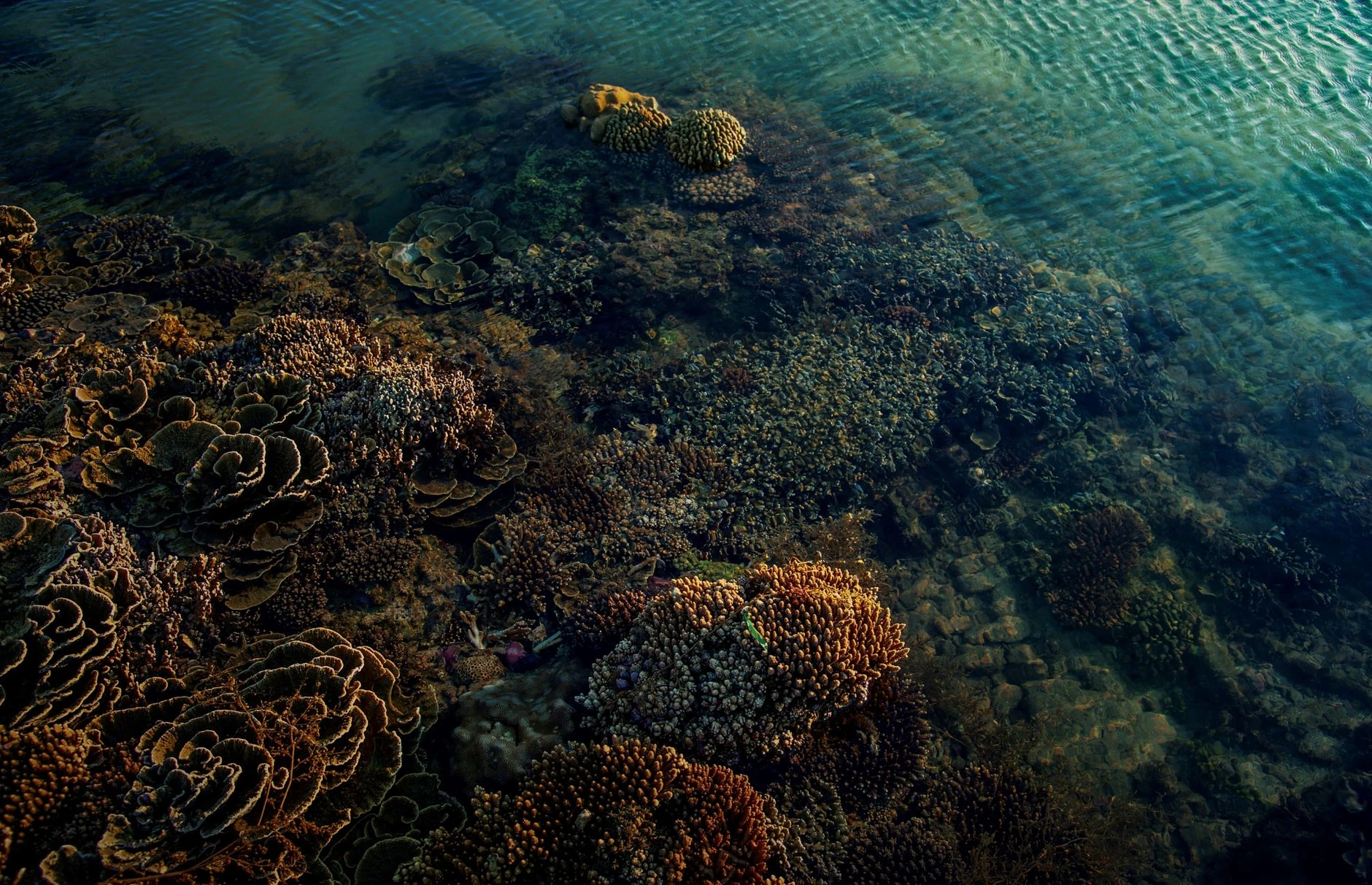
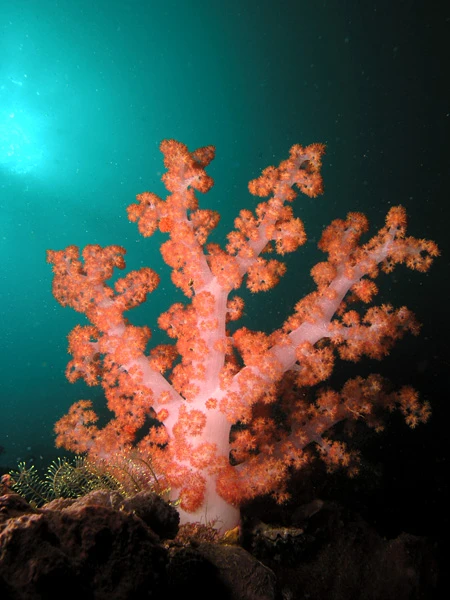
The stakes are severe. Coral reefs support biodiversity, coastal stability, fisheries and tourism, and the 2014 to 2017 global coral bleaching event was the most severe on record, affecting more than half of the world’s reefs. A new global bleaching event began in 2023, and a 2025 study from the University of New Hampshire and the University of Hawaii found corals are moving poleward in response to warming oceans, but too slowly to keep pace. The message from the new refuge research is not that the crisis is solved, but that conservation can be smarter: identify the reefs where currents, clouds and deeper waters already offer a buffer, protect those areas aggressively, and pair that with faster cuts in greenhouse gas emissions.
Sources
- [1]nytimes.com
- [2]news.fit.edu
- [3]bangor.ac.uk
- [4]unh.edu
- [5]news.mongabay.com