Health
Study finds single brain cells encode detailed speech information
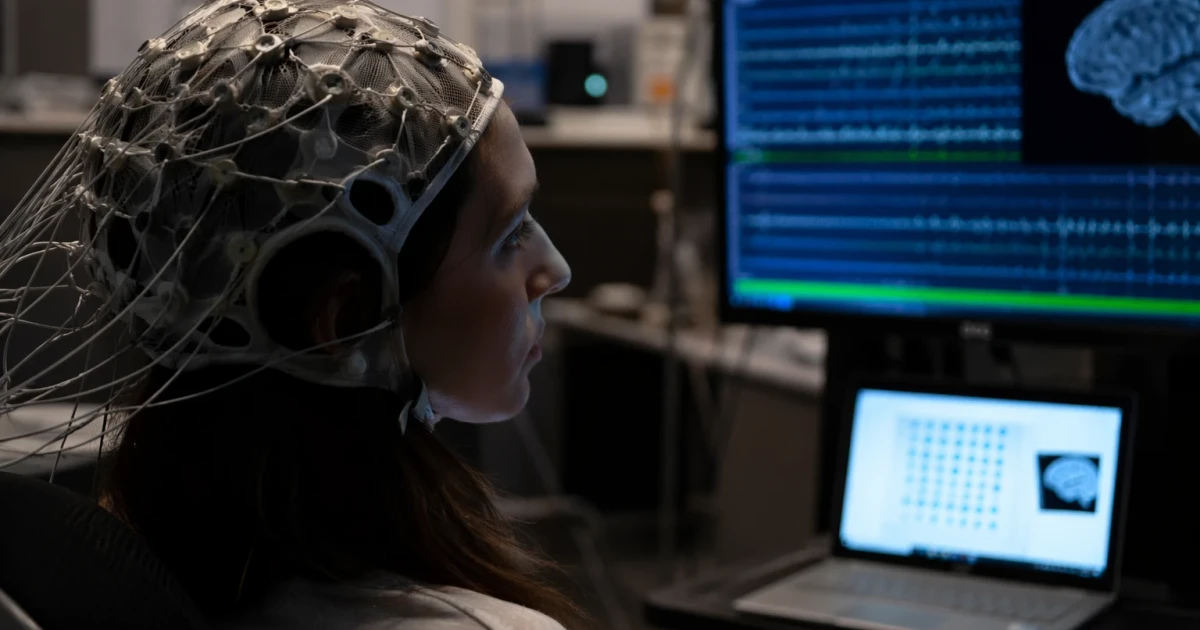
Single brain cells in the human frontotemporal cortex carried far more speech detail than researchers expected, decoding not just sound but grammar, word meaning and sentence context as people held natural conversations. The finding comes from eight epilepsy-monitoring patients with microelectrode arrays already in place, allowing scientists to record from hundreds of neurons while the participants spoke in English on a wide range of topics.
The team aligned conversation transcripts with neural activity before, during and after speech, then used machine-learning models to test what the cells were signaling. The result was a layered map of language: some neurons tracked basic elements such as parts of speech and grammatical relationships, while others appeared to encode higher-order syntactic structure, phrase transitions and the context that distinguishes similar words or expressions. The National Institutes of Health said the neuronal data predicted many properties of forthcoming speech even before participants spoke, a sign that the brain is organizing language well ahead of articulation.
That level of detail matters because it pushes brain-computer interface research closer to a practical goal: restoring communication for people who have lost the ability to speak. Debara Tucci, director of the National Institute on Deafness and Other Communication Disorders, said the granularity is needed to understand how the brain generates speech and how technologies might someday restore it. Jing Cai, the lead author identified in NIH and Mass General Brigham materials, has framed the work as part of a broader effort to study real conversation rather than simplified lab tasks.
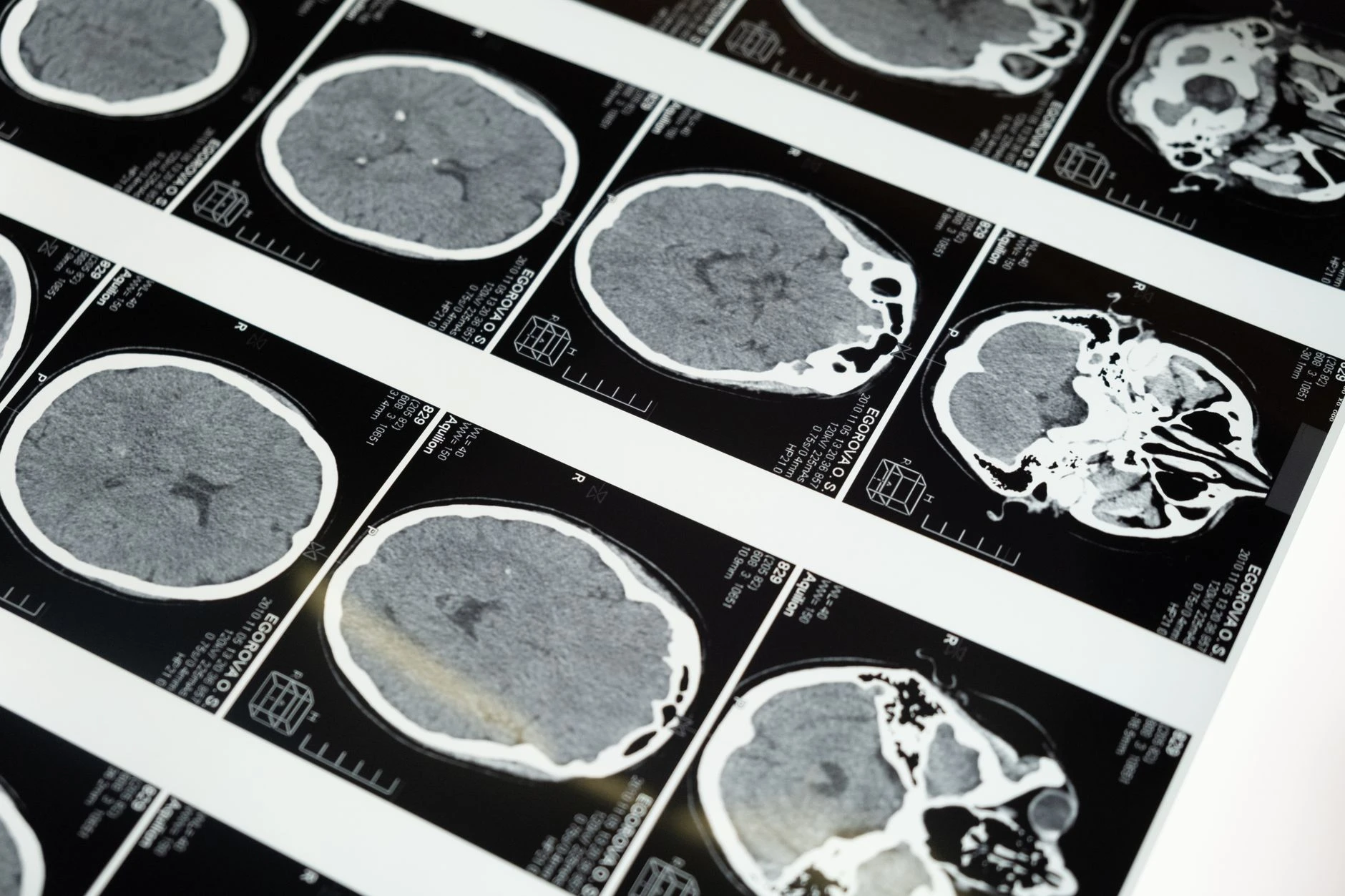
The advance is promising, but it is not a clinical speech prosthesis. The study did not decode open-ended language for medical use, and it did not restore speech in patients. It did, however, strengthen the case that future systems could become more precise by reading richer neural signals than those captured in earlier work that focused mainly on movement or sound. That raises the practical question of how to build safeguards around consent and privacy as decoding improves, especially after a 2025 NIH summary of a Stanford study showed inner-speech decoding from four people with ALS or stroke and highlighted the risk that private thoughts could be exposed without protections.
The new paper also extends a line of research that has been building for years. In 2023, UCSF researchers recorded from 685 neurons at nine sites in eight awake-surgery patients using Neuropixels probes, showing that single neurons could encode aspects of speech perception. The 2026 findings move that frontier from listening toward natural speech production and sentence construction, bringing the field closer to interfaces that may one day translate thought into communication with far greater fidelity.