Health
Study finds some Heliconius butterflies can live nearly a year
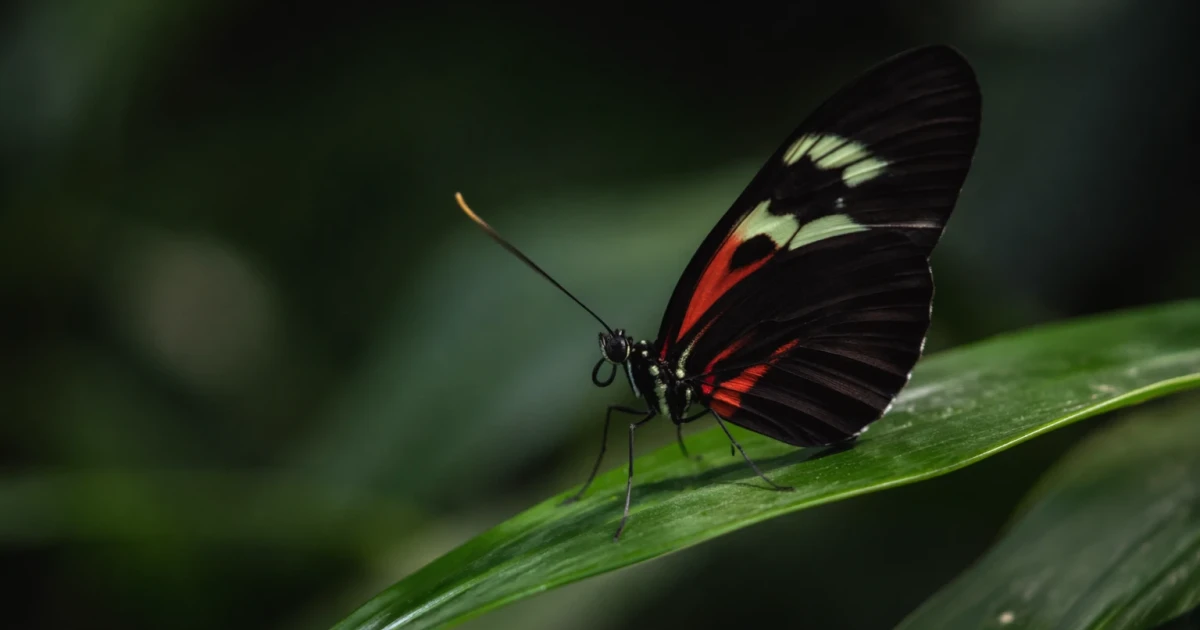
Some Heliconius butterflies in the tropical rainforests of South and Central America are rewriting assumptions about how long a butterfly can stay alive. Heliconius hewitsoni reached a maximum recorded lifespan of 348 days, while Dione juno lived just 14 days in the comparison set, a gap that points to a longevity pathway beyond the usual explanations tied to metabolism, size or food intake.
The study, published June 16, 2026, in Nature Communications as volume 17, article 5077, found a roughly three-fold lifespan extension in Heliconius compared with close relatives in the Heliconiini tribe. Across the comparison set, the mean average lifespan was roughly 177 days, and some individuals survived for almost a year. Other Heliconius species also lived for hundreds of days, reinforcing the idea that the genus as a whole has evolved unusually long adult lives.
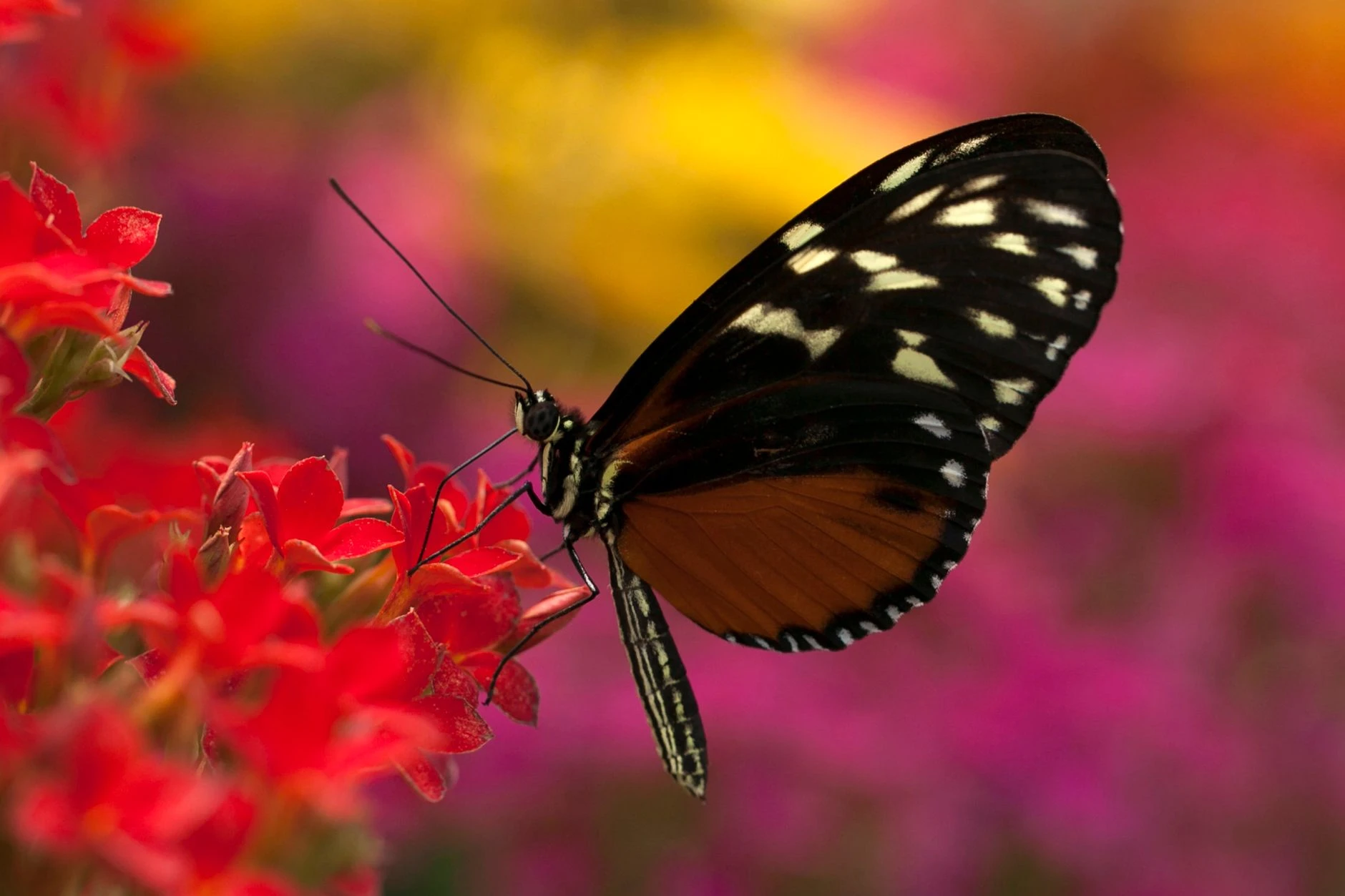
Scientists used butterfly houses, mark-release-recapture studies and controlled insectary experiments to compare lifespan and ageing patterns. That mix of field and lab work matters because it pushes the finding beyond a single captive population and into the real biology of how these insects age. Heliconius butterflies are already unusual because they are the only butterflies known to collect and digest pollen as adults, a behavior long thought to explain much of their extended life.
But the new work showed nutrition was only part of the story. In tests comparing Heliconius hecale with the non-pollen-feeding Dryas iulia, H. hecale maintained body mass and muscle function for longer and showed no apparent age-related decline in grip-strength testing. It also kept a longevity advantage even when deprived of dietary pollen, suggesting that evolved biology, not just a richer diet, helped drive the trait. The University of Bristol said the results point to lower baseline mortality and slower rates of ageing in Heliconius overall.
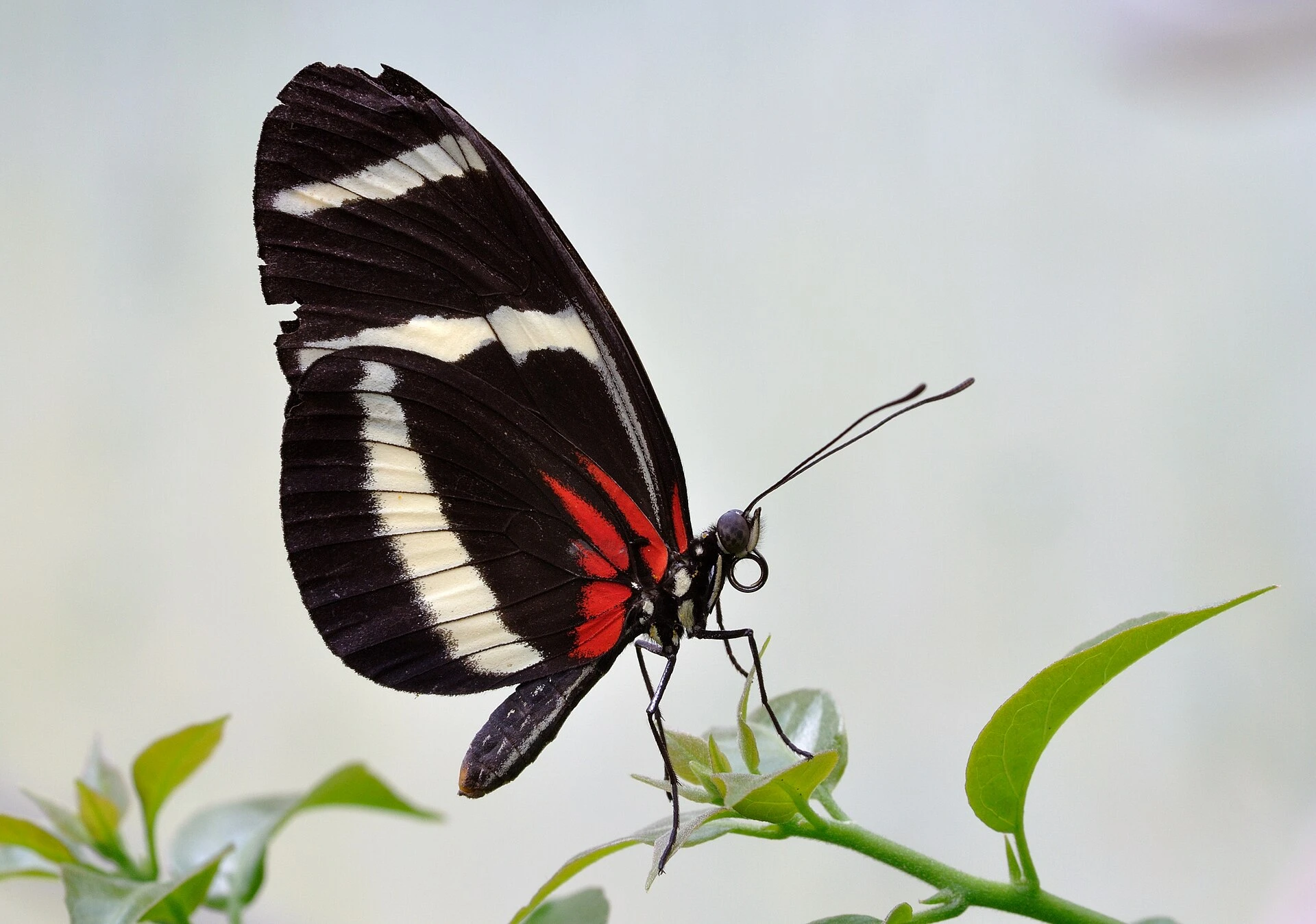
The study adds weight to the idea that aging does not follow one universal blueprint. For Jessica Foley, a postdoctoral scholar at Tufts University’s Jean Mayer USDA Human Nutrition Research Center on Aging, the evolutionary basis of lifespan differences may help explain healthy aging in humans as well. Her collaborators included researchers at the Smithsonian Tropical Research Institute in Panama, along with Josie McPherson, Made Roger, Cruz Batista, Rémi Mauxion, Greta Hernández, Richard Kelson, Fletcher J. Young, W. Owen McMillan and Stephen H. Montgomery. The work does not make butterflies a direct model for human lifespan, but it does show that long life can emerge through more than one biological route, and that a small tropical insect can still change how scientists think about ageing.
Sources
- [1]usvinews.com
- [2]bristol.ac.uk
- [3]nature.com
- [4]natureasia.com
- [5]eurekalert.org
- [6]pubmed.ncbi.nlm.nih.gov