Technology
Study finds teens can bypass platform safety and meet strangers online
Nearly 60% of Instagram users ages 13 to 15 encountered unsafe content and unwanted messages in the previous six months, and nearly 60% of those unwanted messages came from people they believed were adults.
A September 2025 analysis of Instagram Teen Accounts evaluated 47 of Meta’s 53 safety features and concluded that most were either unavailable or ineffective. Nearly 40% of affected teens said the unwanted messages were from someone seeking a sexual or romantic relationship, while 56% did not report the incidents because they were used to it. Arturo Béjar warned Mark Zuckerberg and other Meta executives in 2021 and testified before Congress in 2023.
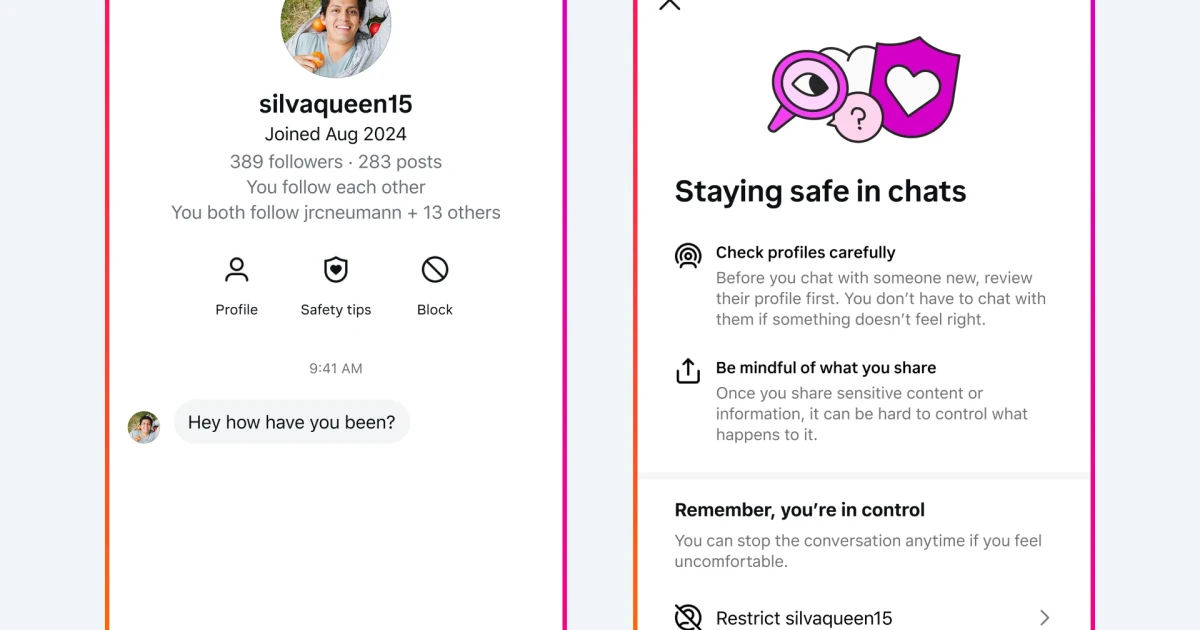
Meta launched Instagram Teen Accounts in late 2024, automatically placing users under 18 into protections such as private profiles, restricted messaging, content filters and parental supervision tools. Teens under 16 cannot change privacy settings without parental consent, and parents can link accounts to monitor interactions, set screen-time limits and filter content. In July 2025, Meta added new direct-message safety features for teen accounts, including more context about who teens are chatting with. In June, teens blocked accounts 1 million times and reported another 1 million after seeing a Safety Notice. Meta also said 99% of users, including teens, kept nudity protection turned on after its global rollout, and that over 40% of blurred images received in direct messages stayed blurred.

On April 24, 2025, Ofcom finalized more than 40 practical child-safety measures for sites and apps used by UK children, including safer recommendation feeds, stronger age checks and protections from strangers contacting minors. In September 2024, the U.S. Federal Trade Commission said major social media and video-streaming companies engaged in “vast surveillance” and failed to adequately protect children and teens.
Sources
- [1]nytimes.com
- [2]ofcom.org.uk
- [3]ftc.gov
- [4]time.com
- [5]fastcompany.com
- [6]about.fb.com
- [7]heatinitiative.org