Technology
Study finds YouTube still recommends harmful diet videos to teens
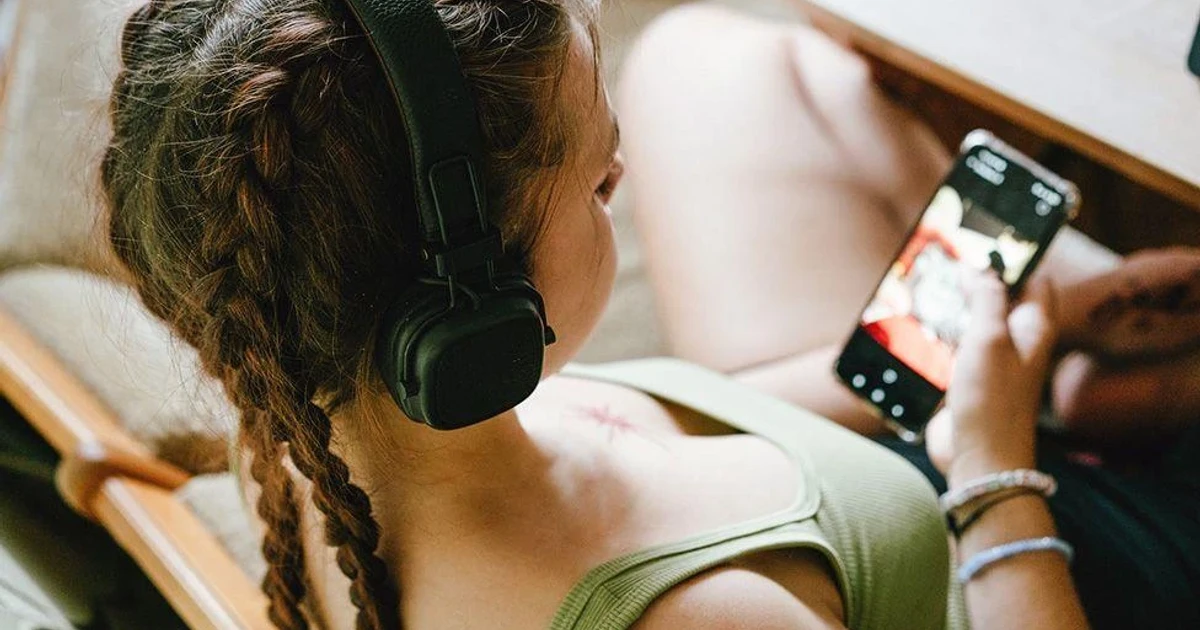
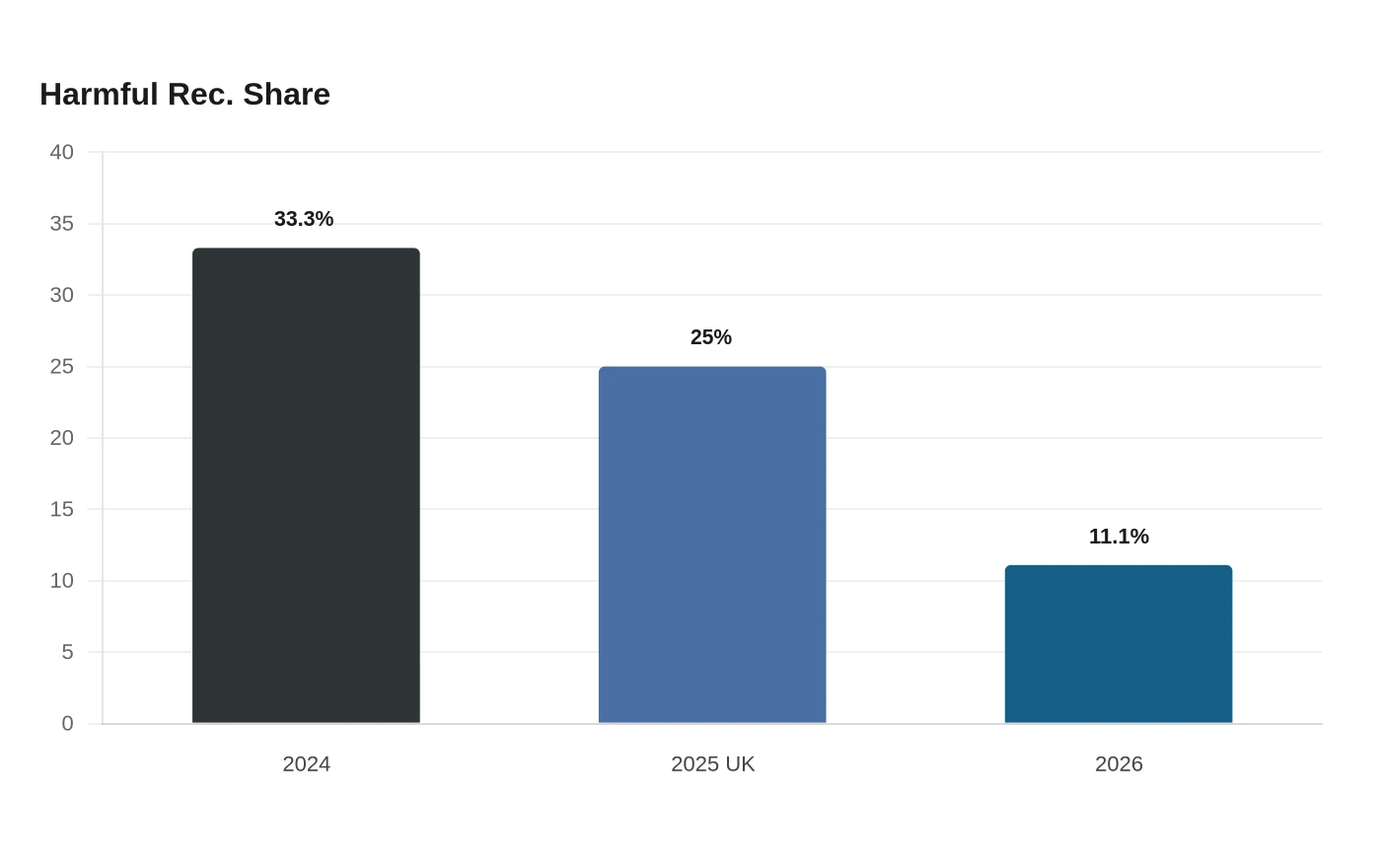
YouTube still surfaced harmful eating-disorder videos to simulated 13-year-old girl accounts. The Centre for Countering Digital Hate found in its 2026 test that one in 10 YouTube “Up Next” recommendations featured thinspiration, extreme calorie restriction or similar material, an improvement from one in three in 2024 but still, in the group’s words, proof that “even one harmful recommendation to a child is too many.”
CCDH repeated the experiment in the United Kingdom, the United States and the European Union, using accounts registered as 13-year-old girls. Across those tests, harmful recommendations fell from an average of one in three videos in 2024 to one in nine in 2026. In the UK-specific 2025 version of the study, one in four recommendations were harmful eating-disorder content, and YouTube failed to remove or age-restrict 74% of the reported videos. The material included thinspiration and extreme-diet clips, including an “Anorexia Boot Camp” diet.
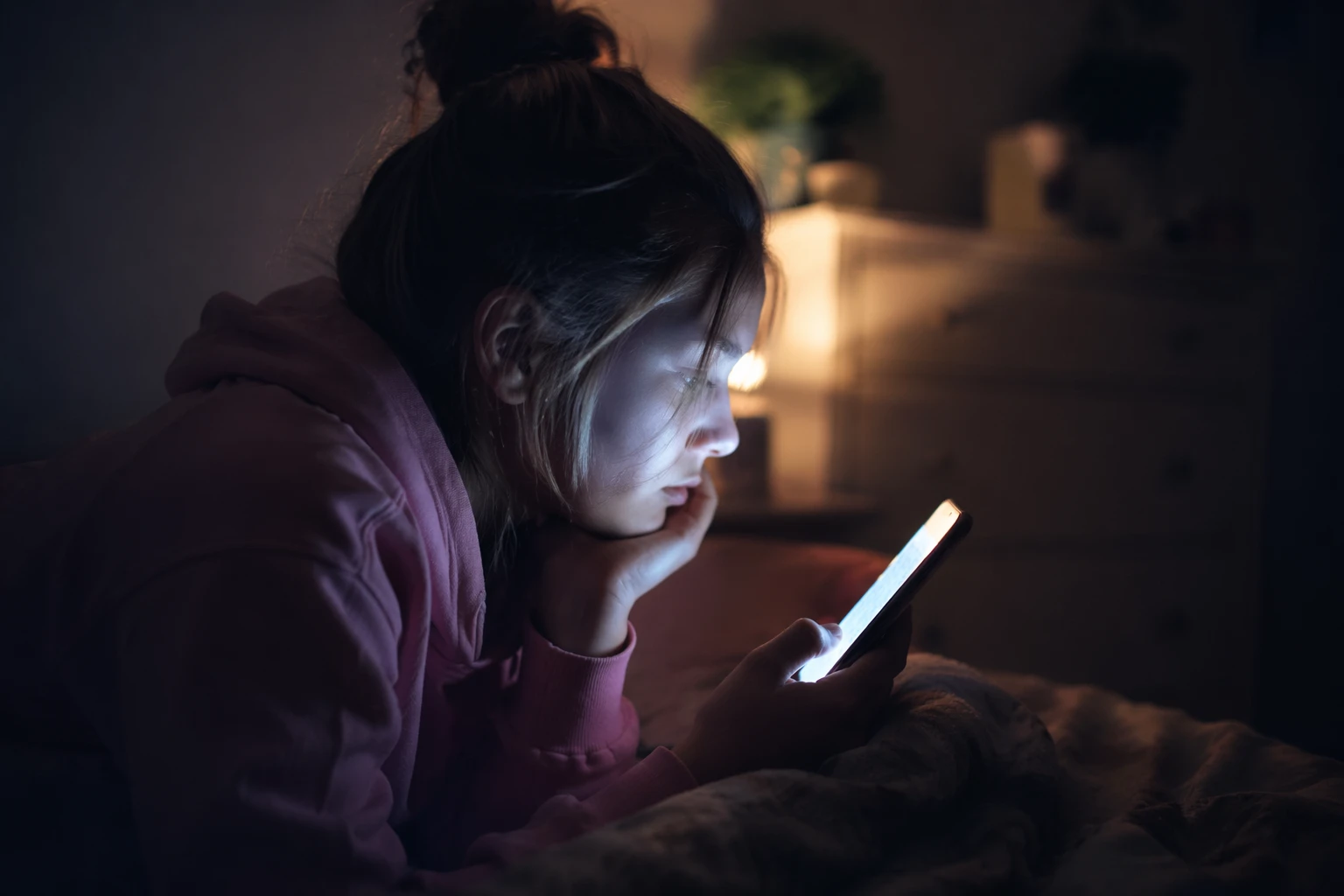

The UK’s Online Safety Act requires platforms to mitigate risks from priority harmful content, including eating-disorder material, and new protections for under-18s came into force on 25 July 2025, requiring platforms to make algorithmic feeds safer and giving Ofcom enforcement powers, including fines, if companies do not comply. Ofcom has warned YouTube and TikTok are still not doing enough to keep young people safe, and in May 2026 it said the platforms had failed to spell out how they would make children’s content feeds safe.
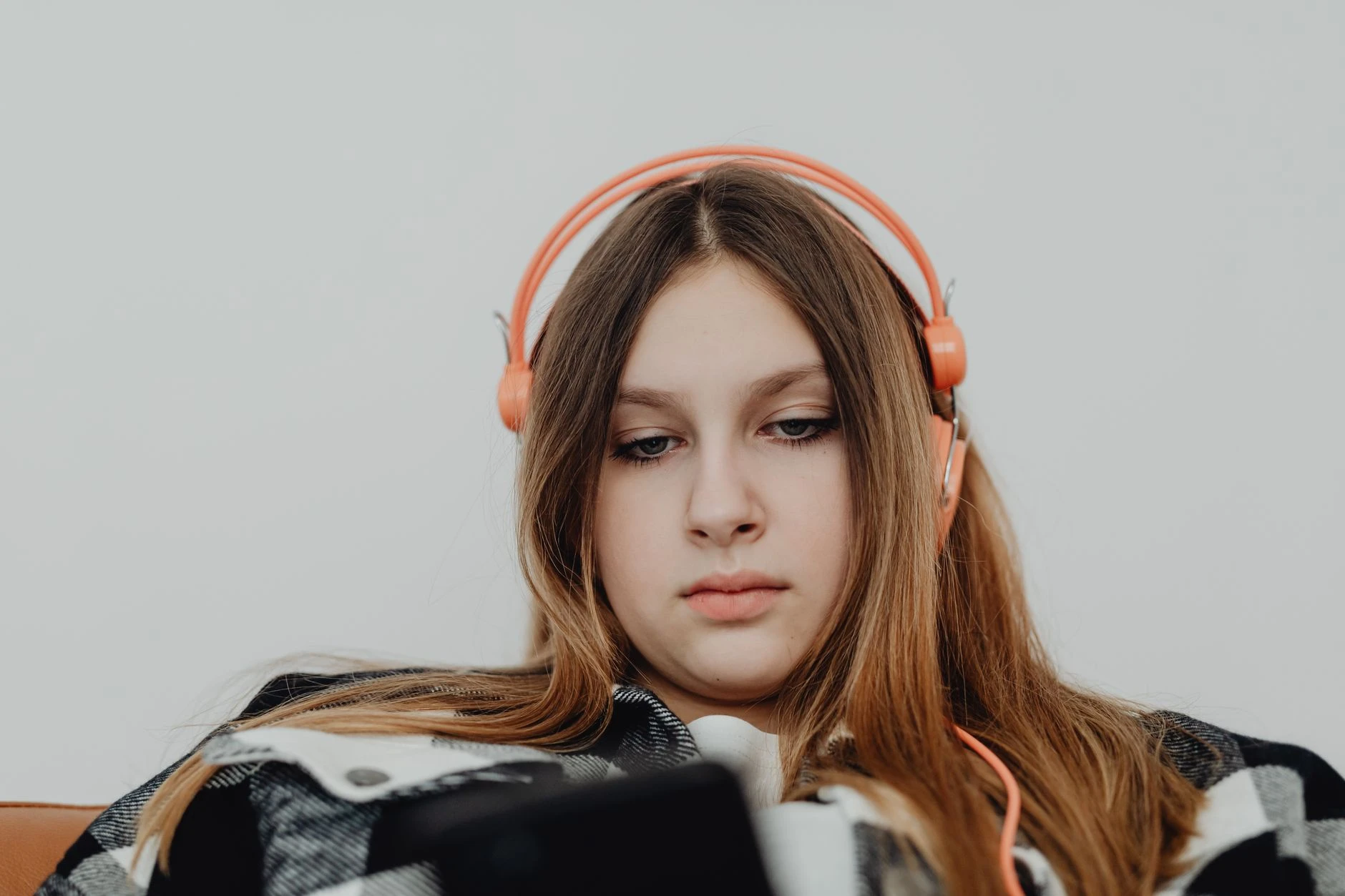
In June 2026, the government planned to ban social media for under-16s from spring 2027 and to impose under-18 restrictions on features such as livestreaming and stranger contact. It said 9 in 10 parents backed a ban for under-16s and two-thirds of young people agreed that under-16s should not use at least some social media platforms. Google, which owns YouTube, said it had a “steadfast” commitment to stopping harmful content and that the videos highlighted in the report had been removed.
Sources
- [1]bbc.co.uk
- [2]counterhate.com
- [3]gov.uk
- [4]sg.news.yahoo.com