Health
Study links gum disease bacteria to hardened heart valves
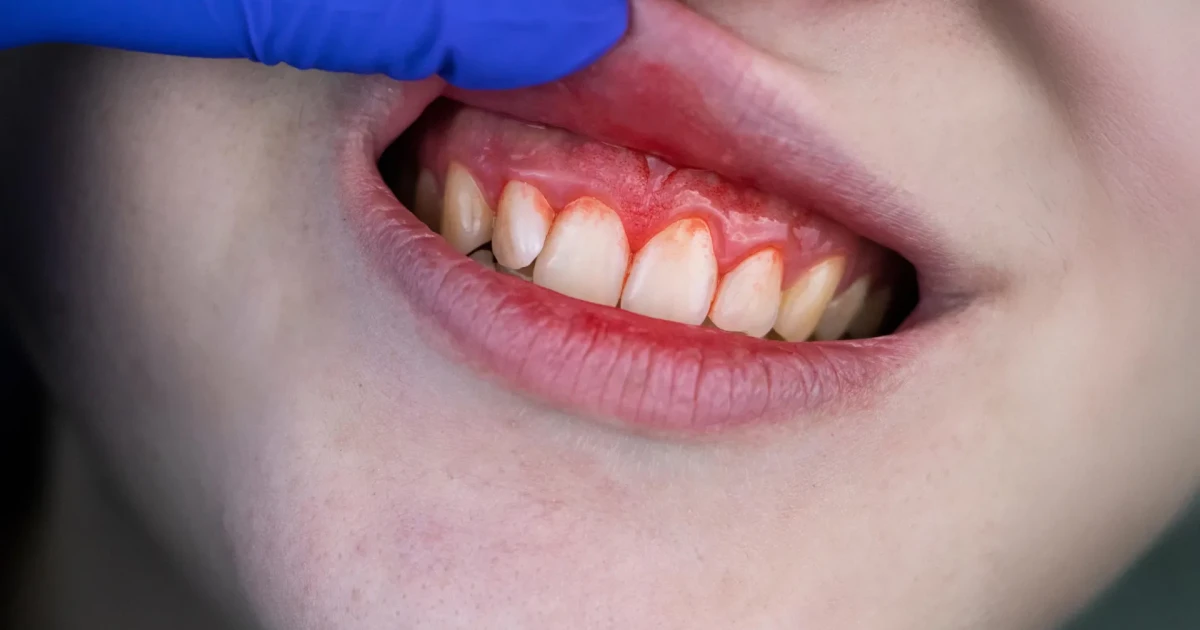
Researchers presented a preliminary study at the American Heart Association’s Basic Cardiovascular Sciences Scientific Sessions in Boston that linked bacteria from gum disease to calcium buildup in the heart’s aortic valve. The work, described by the AHA as a lab study of mouse and human cardiac tissue, pointed to inflammation as a possible bridge between chronic dental infection and calcific aortic valve stenosis, a condition that gradually narrows the valve as calcium accumulates.
That matters because calcific aortic valve stenosis is one of the most common and serious valve diseases, and it tends to develop with age as calcium or scarring damages the valve. The CDC says aortic stenosis affects about 5% of people 65 and older, while heart valve disease overall affects an estimated 2.5% of U.S. adults and causes 28,000 deaths each year. The disease can progress quietly before causing fatigue, chest pain, shortness of breath, fainting and, in severe cases, heart failure or premature death.

The new findings do not prove gum disease causes valve disease, and they do not justify changing heart treatment on their own. But they do sharpen a long-running concern that oral health is not isolated from cardiovascular health. The researchers’ hypothesis is that bacteria from inflamed gums may promote calcium deposition in the valve by triggering an inflammatory response, which would help explain why a dental infection could matter far beyond the mouth.
That possibility is most relevant for older adults, who carry the heaviest burden of aortic stenosis, and for communities that already face gaps in diagnosis and treatment. The CDC says heart valve disease is underdiagnosed and undertreated, especially among African American, Hispanic and Asian populations. It also says 75% of U.S. adults, and nearly a third of adults 65 and older, know little to nothing about heart valve disease.

For patients, the practical message is narrower than a headline might suggest. The study does not support skipping dental care in favor of a heart test, and it does not show that brushing or flossing can prevent valve disease on its own. It does reinforce the value of treating gum disease promptly and keeping routine oral care on track, especially because there are still no medications proven to slow or prevent advanced calcific aortic valve stenosis, where valve replacement surgery remains the main treatment.
The finding fits a broader shift inside cardiology. In December 2025, the American Heart Association issued a scientific statement linking gum disease to plaque buildup in arteries and higher cardiovascular risk, and the AHA and Delta Dental continue to promote their Healthy Smiles, Healthy Hearts initiative to align dental and medical care.
Sources
- [1]sciencedaily.com
- [2]newsroom.heart.org
- [3]professional.heart.org
- [4]heart.org
- [5]cdc.gov
- [6]jamanetwork.com
- [7]adanews.ada.org