Health
Study Links Teen Cannabis Use to Higher Psychosis Risk
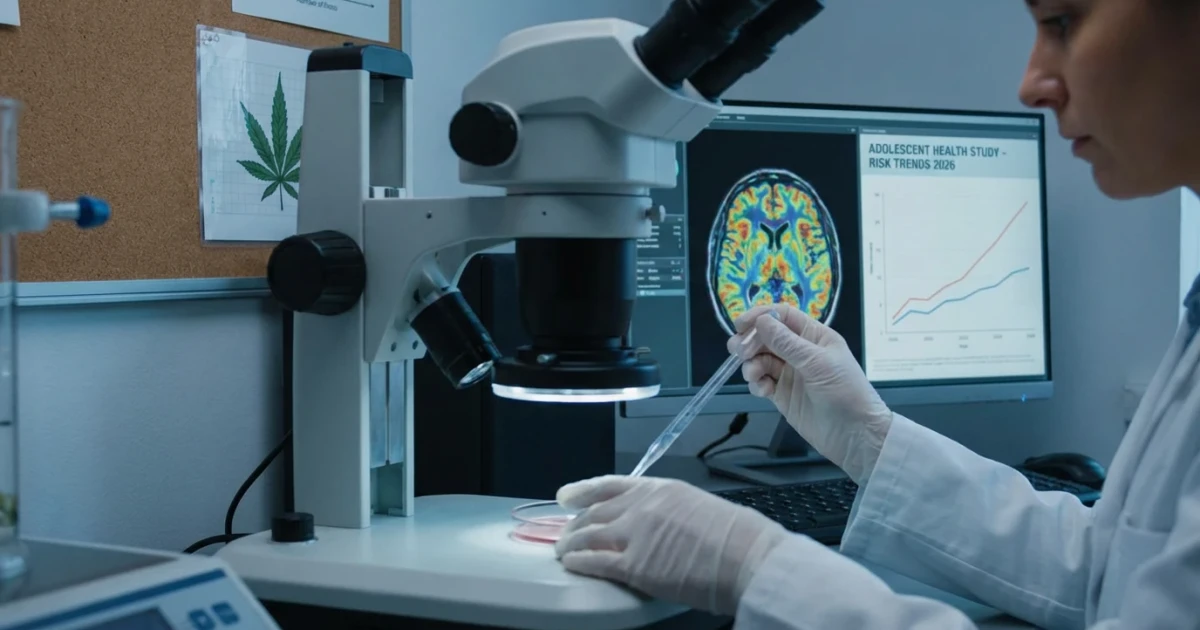
New research highlights a concerning connection between adolescent cannabis use and a higher risk of developing psychosis in later life, intensifying public health discussions as marijuana legalization expands across the United States.
Major Study Reveals Increased Psychosis Risk
A large-scale meta-analysis, as reported by NPR, found that teenagers who use cannabis are significantly more likely to develop psychotic disorders—conditions characterized by a disconnection from reality, such as schizophrenia—when compared to those who abstain. The findings, drawn from a broad review of previous studies, reinforce growing evidence that adolescent brains are particularly vulnerable to the psychiatric effects of cannabis.
This research aligns with previous analyses, such as the systematic review published by JAMA Psychiatry, which also identified a clear association between early cannabis use and an elevated risk of psychosis. Researchers compiled data from multiple cohorts across several countries, strengthening the reliability of their conclusions.
Understanding the Numbers
- According to CDC data, about 16.4% of U.S. high school students reported using marijuana in the past 30 days in 2021.
- The 2022 National Survey on Drug Use and Health (NSDUH) detailed that cannabis use among adolescents has remained steady or increased in several states following legalization.
- Official statistics from the National Institute of Mental Health estimate that approximately 3 in 100 people will experience psychosis at some point in their lives, with the majority of cases first appearing in late adolescence or early adulthood.
Why Teens Are More Vulnerable
Experts suggest that the adolescent brain is still undergoing critical development, particularly in regions related to judgment, impulse control, and emotional regulation. Cannabis exposure during these formative years may disrupt normal brain maturation, increasing susceptibility to psychotic disorders. The systematic review by the National Institutes of Health also underscores that frequent or early cannabis use magnifies the risk, especially for those with a family history of mental illness.
Balancing Legalization and Public Health
As more states legalize recreational and medical cannabis, concerns about youth access and health risks are mounting. The World Health Organization has long warned of the mental health dangers associated with nonmedical cannabis use, particularly among young people. Public health officials stress the importance of education campaigns to inform teens and parents about the potential long-term consequences of adolescent cannabis use.
Key Takeaways for Parents and Policymakers
- Recent research shows a statistically significant link between teen cannabis use and later development of psychosis.
- Rates of youth cannabis use remain substantial, with trends varying by state and local policy.
- Efforts to limit underage access and improve education may help reduce future mental health burdens.
While experts acknowledge that not every teenager who uses cannabis will experience psychosis, the evidence suggests that reducing adolescent exposure could help mitigate risks. Ongoing research aims to clarify which individuals are most vulnerable and how preventive strategies might be most effective.
As the debate over marijuana policy continues, these findings underscore the need for balanced approaches that consider both individual freedoms and public health, especially for young people most at risk.