US News
Study says T. rex took 40 years to reach full size
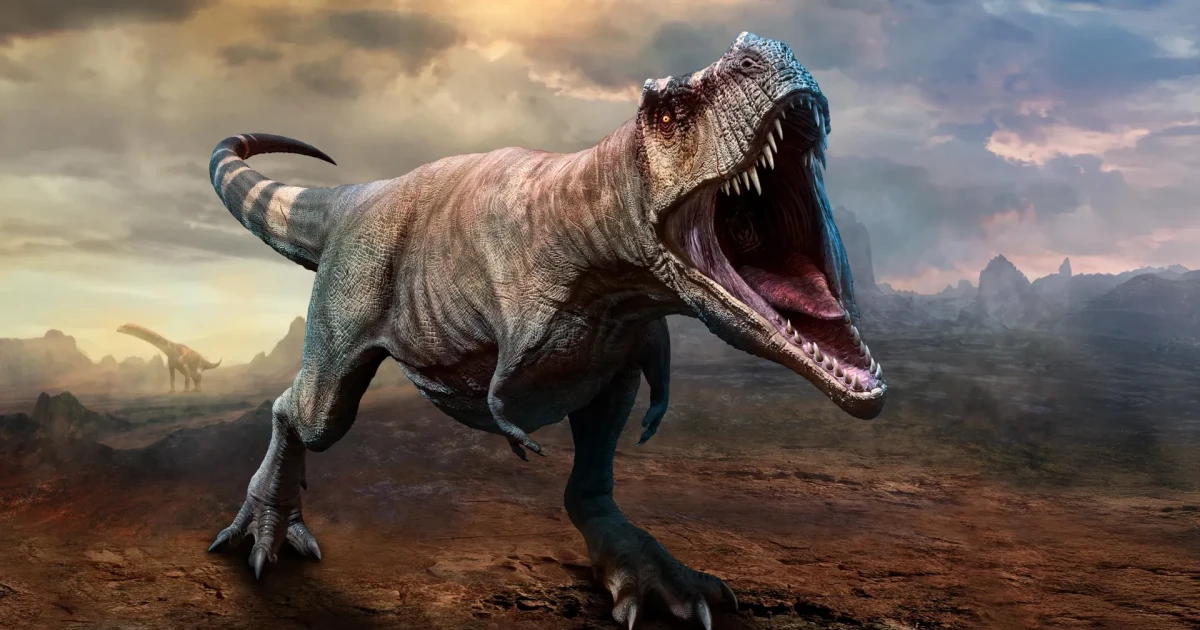
Tyrannosaurus rex may have spent nearly two decades longer growing than scientists once believed, a shift that changes how the public understands the dinosaur’s biology, behavior and lifespan. The new analysis says the species likely did not reach full size until about age 40, rather than becoming an adult around 25, and that slower timetable means the predator may have taken far longer to reach its roughly eight-ton peak.
The study, published in PeerJ on January 14, 2026, examined 17 tyrannosaur fossils spanning juveniles to large adults. Its authors, Holly N. Woodward, Nathan P. Myhrvold and John R. Horner, used growth rings preserved in fossil bone, then combined that evidence with specialized polarized light microscopy and statistical modeling to build what they describe as the most detailed growth reconstruction yet for Tyrannosaurus rex. Woodward said the project produced "the largest data set ever assembled for Tyrannosaurus rex."
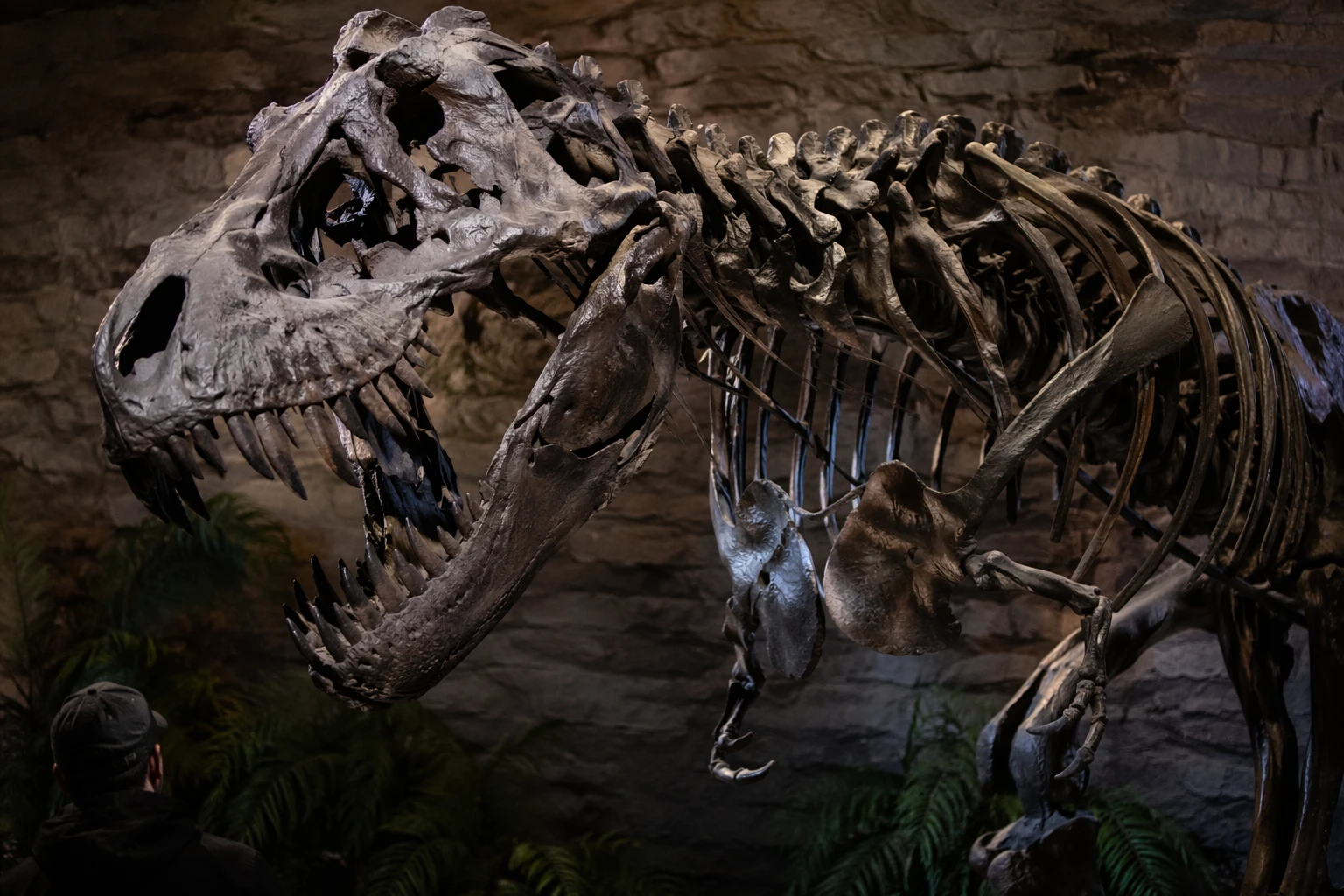
That broader dataset pushed the growth curve in a different direction from earlier models. Previous estimates suggested T. rex could exceed 8,000 kilograms within two decades and had a lifespan approaching 30 years, but those figures were based on more limited single-point sampling. The new model produced lower maximum growth rates and a delayed attainment of asymptotic size, placing the end of major growth at roughly 35 to 40 years.
The study also raises a taxonomic question that could ripple through decades of dinosaur research. Two immature specimens in the Tyrannosaurus rex species complex were not statistically compatible with the main growth series, which means some fossils long treated as T. rex may belong to other closely related species or reflect distinct biological variation. Oklahoma State University described the work as the largest-ever study of how Tyrannosaurus rex grew.
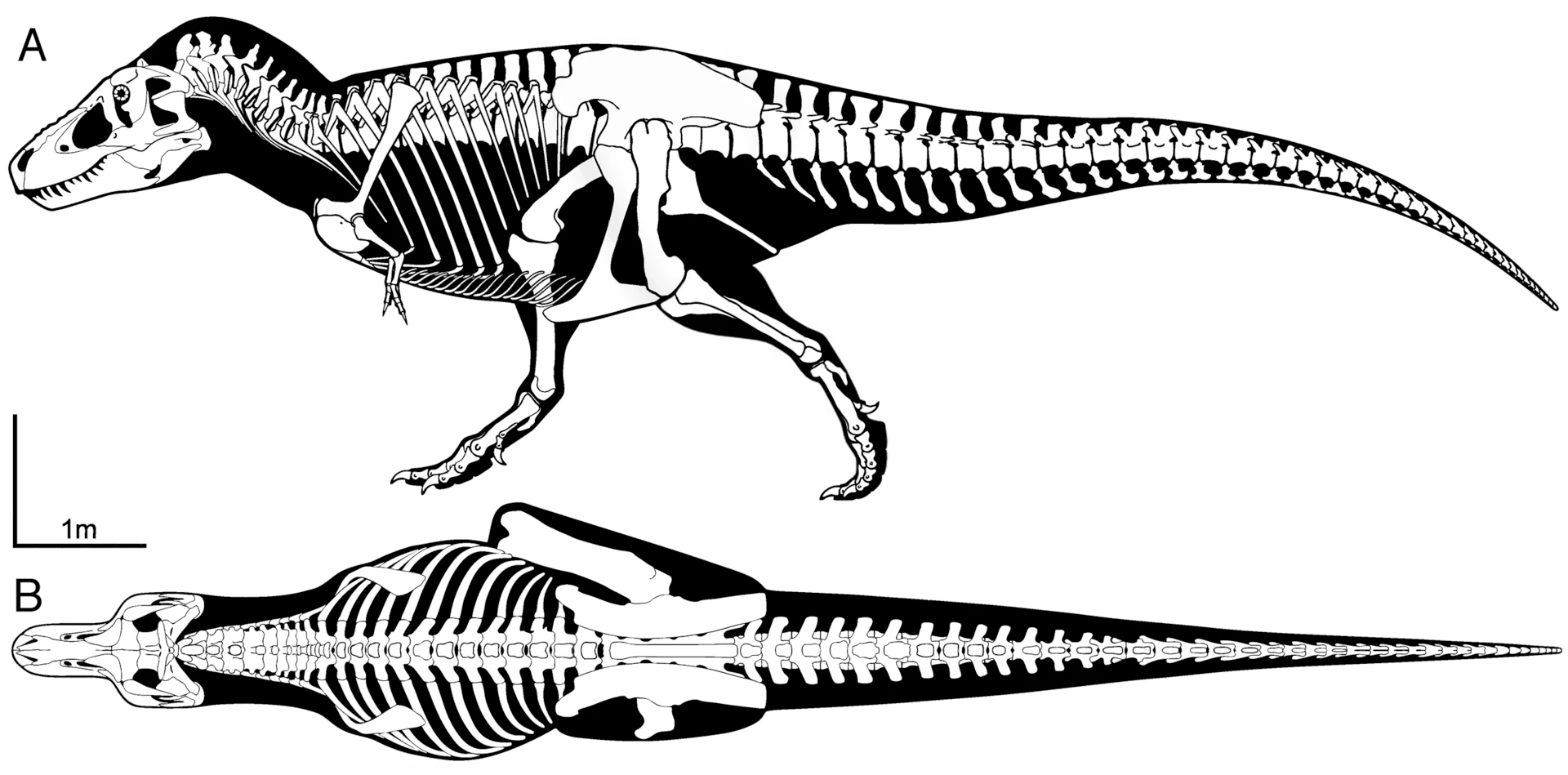
For paleontology, the practical stakes are substantial. A 40-year growth span suggests T. rex may have lived with a prolonged subadult phase, changing expectations about metabolism, ecological competition and life history in giant predatory dinosaurs. It also underscores how much remains uncertain about one of the best-studied animals on Earth, especially when older specimens are reexamined with newer imaging and larger fossil samples.
Sources
- [1]sciencedaily.com
- [2]peerj.com
- [3]scholars.okstate.edu
- [4]news.okstate.edu
- [5]eurekalert.org