Health
Study suggests early primates evolved in cold, dry climates
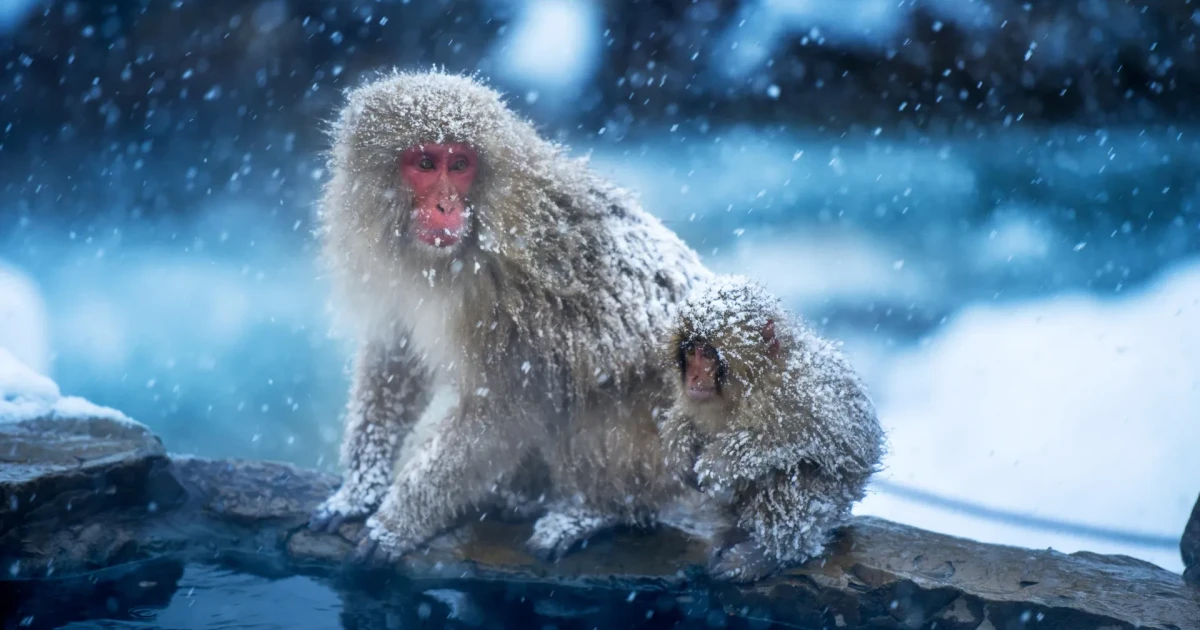
Early primates may not have emerged in lush tropical forests after all. A 2025 study led by Jorge Avaria-Llautureo of the University of Reading points instead to cold, dry and temperate habitats in the northern hemisphere, with the common ancestor of modern primates likely living in North America about 66 million years ago.
The paper, published in Proceedings of the National Academy of Sciences and titled “The radiation and geographic expansion of primates through diverse climates,” used fossil data and statistical modeling to reconstruct ancient climates and primate ranges. Its conclusion runs against a long-held assumption in primate evolution: that warmth and forest abundance powered the group’s earliest spread. Instead, the researchers found that early primates dispersed and radiated in higher latitudes through diverse climates, including cold, arid and temperate conditions, and that warmer global temperatures had no effect on dispersal distance or speciation rate.
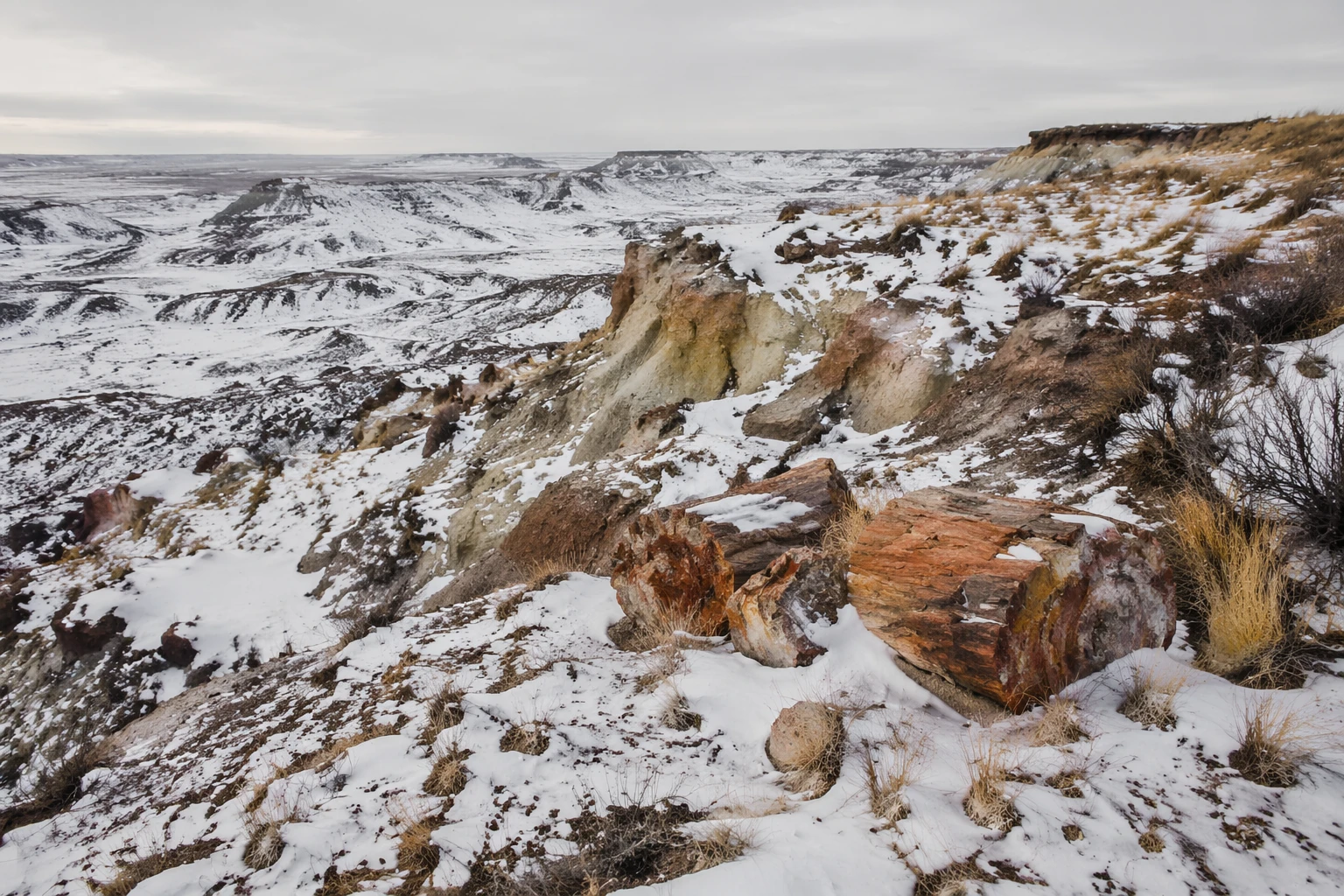
That shift matters because it changes the basic story of how flexible early primates were. A University of Oxford anthropology note said the first primates most likely lived in North America in a climate with hot summers and freezing winters, while the University of Reading said the old tropical-forest narrative had gone unquestioned for decades. The new work flips that script by tying primate expansion to stress, not comfort, and to rapid swings between dry and wet conditions that likely forced adaptation and movement.
One of the clearest examples is Teilhardina, an early primate that appeared around 56 million years ago and weighed about 28 grams. The tiny tree dweller, described as living on a diet of fruit, gum and insects, was roughly the size of Madame Berthe’s mouse lemur, the smallest living primate, which weighs about 30 grams seasonally. The comparison underscores how small, flexible and resourceful these animals were, and how far they were from the modern image of a forest primate at home in constant warmth. The lead author also said the animals of that era were likely more tree-shrew-like or squirrel-like than modern primates, and some may even have survived seasonal Arctic conditions by slowing their metabolism or hibernating.
The broader implication is that primates took millions of years to colonize the tropics. That matters now because the same forces that shaped early primate survival, climate disruption, shifting habitat and the need to adapt or move, are again pressing on species across the globe. Rewriting primate origins does more than correct a fossil record; it shows that the lineage leading to humans was forged in hardship, not ease.
Sources
- [1]sciencedaily.com
- [2]pnas.org
- [3]reading.ac.uk
- [4]anthro.ox.ac.uk
- [5]theconversation.com