US News
Study suggests forests may store less carbon than expected
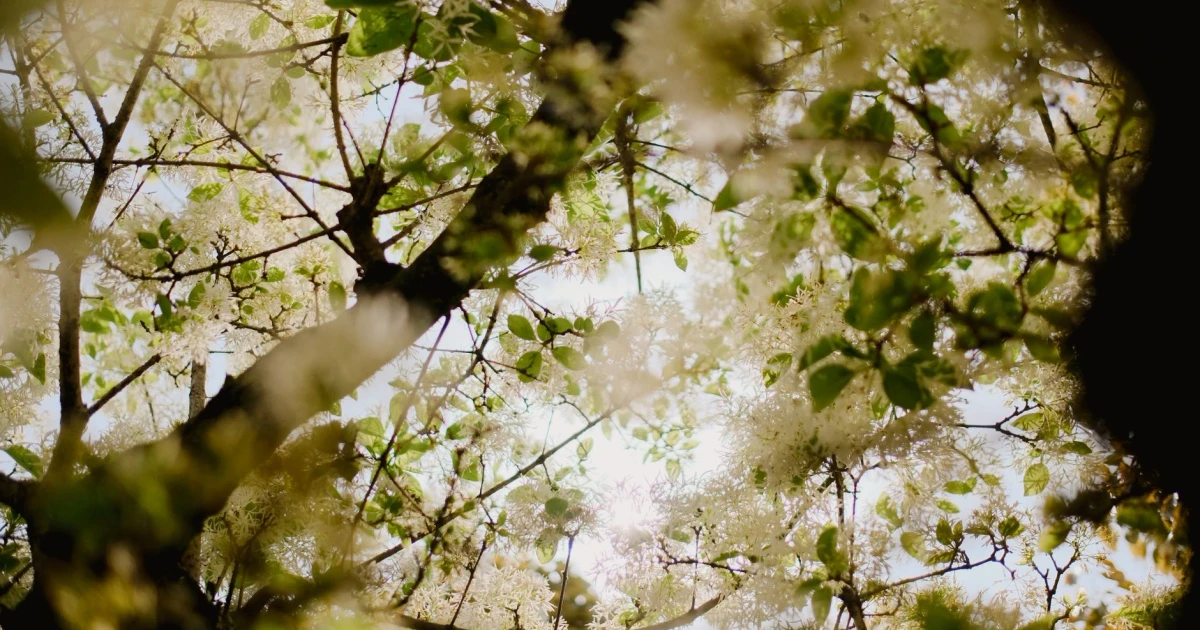
Climate plans that depend on forests to offset emissions may be counting on more carbon storage than trees can reliably deliver. A new study of oak forests found that carbon uptake and wood growth often decoupled, meaning trees kept absorbing carbon after their seasonal growth had already stopped.
The research, published in Science Advances, examined oak trees at 137 sites across the eastern United States and California using satellite imagery, hour-by-hour canopy carbon dioxide measurements, trunk sensors that tracked minute-by-minute changes in tree size, and tree-ring records dating back to 1950. In the eastern United States, oak growth generally ran from May through July, but photosynthesis continued into October, and about 36% of annual carbon absorbed through photosynthesis happened after growth had ended. In California, oak growth typically lasted from December through April and then ended by August, even as photosynthesis continued, with about 26% of annual carbon uptake occurring after growth ceased.
Lead author Mukund Palat Rao, an ecoclimatologist at Lamont-Doherty Earth Observatory at Columbia Climate School, said: “Right now, most models assume that if you have photosynthesis, you have growth. We find that’s not the case.”
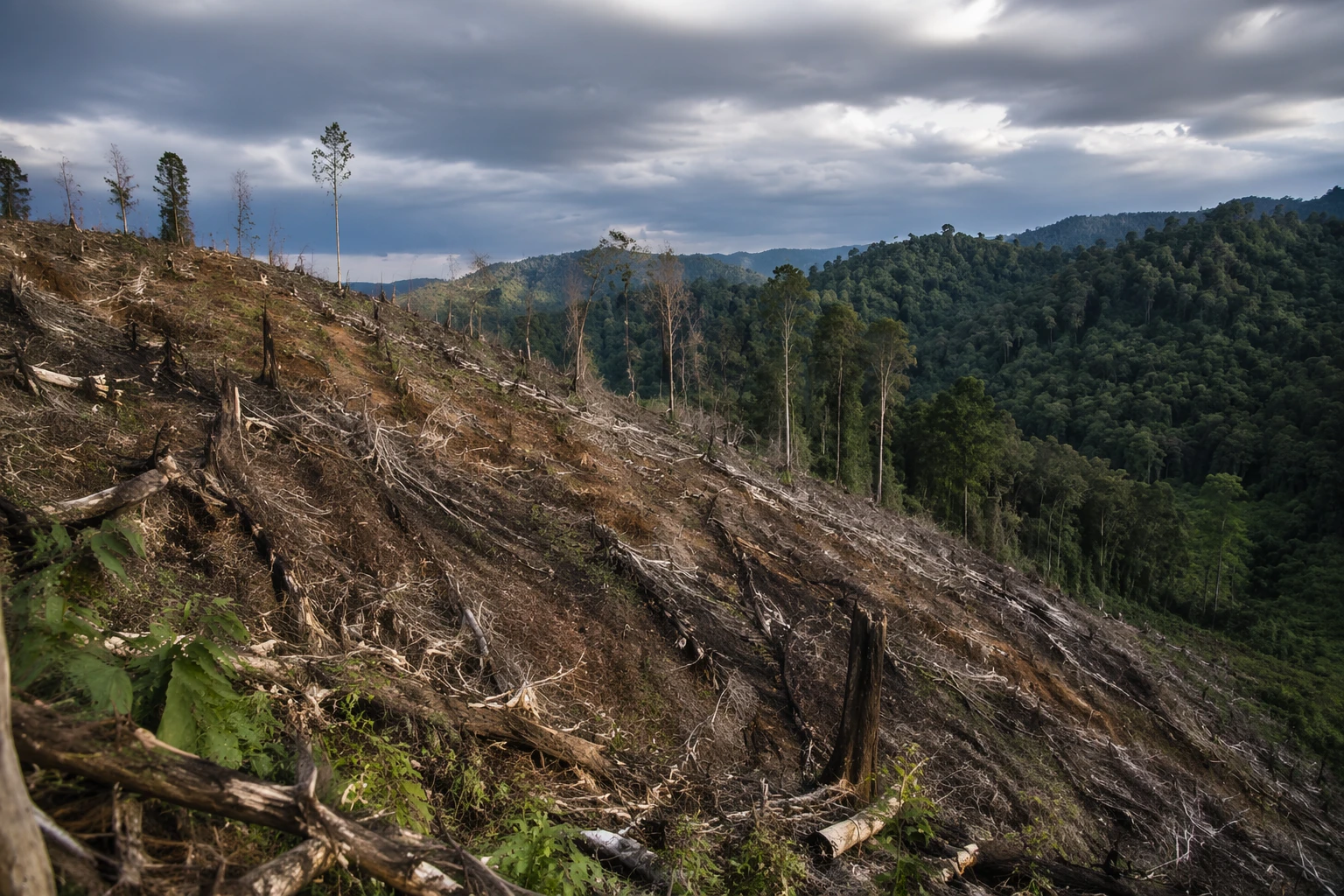
That gap matters because the long-term climate value of forests depends on carbon being converted into new wood, where it can stay stored for decades, centuries or longer. The study found that some of the carbon trees absorbed likely went into leaves, fruits, short-lived metabolic activity or compounds released into the soil instead of durable wood. The result is a warning for policymakers and carbon-accounting systems that treat forest preservation and tree growth as a straightforward ledger of climate progress.
The findings also sharpen a broader concern already raised by other research: warming can shorten the time carbon remains locked away in trees. A University of Cambridge study found that faster growth in warmer conditions can be offset by earlier death, reducing carbon residence time. Together, the two lines of evidence suggest a harder truth for climate planning: even where forests keep drawing carbon from the air, heat and aridity may prevent that carbon from accumulating in wood for as long as many models assume.